Frida Expands into Kids Personal Care with New 2026 Lineup, Targeting African Markets and Global Parents
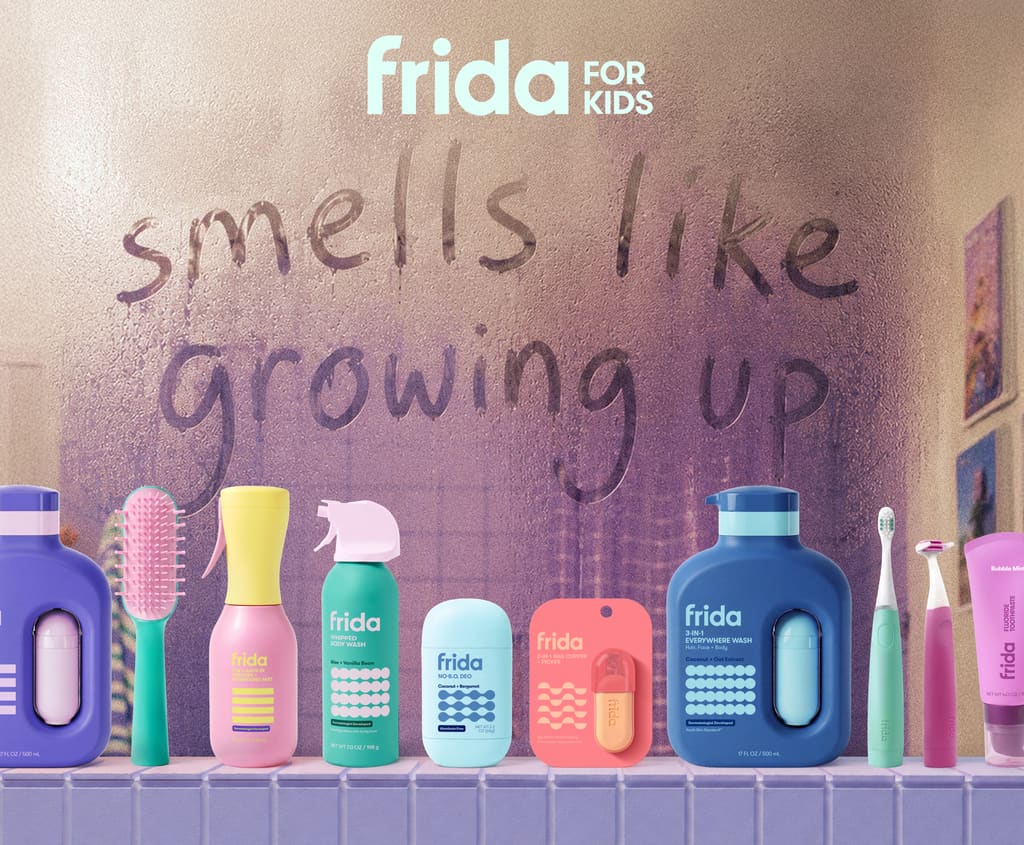
Background: Frida’s rise in the baby‑care space
Founded in 2015, Frida built its reputation on minimalist, plant‑based baby products that promised gentle, safe care for newborns. The brand’s early success hinged on a strong social‑media presence and a commitment to transparency, which resonated with millennial parents looking for alternatives to conventional chemical‑laden formulas.
Over the past eight years, Frida broadened its catalogue to include diapers, wipes, and feeding accessories, securing shelf space in major North American retailers and expanding its e‑commerce reach to Europe and parts of Asia. The company’s revenue reportedly crossed the $120 million mark in 2025, according to a Bloomberg report, setting the stage for its next growth push.
What the new kids personal‑care line includes
In March 2026 Frida announced a dedicated kids personal‑care category aimed at children aged two to twelve. The initial rollout features a shampoo‑and‑conditioner duo, a gentle body wash, a fluoride‑free toothpaste, and a line‑up of detangling and styling creams that are free from sulfates, parabens, and synthetic fragrances.
The products are marketed as “grown‑up‑grade” versions of the brand’s baby staples, with the same plant‑based base but tweaked pH levels and added vitamins such as biotin and vitamin E to address the unique skin and hair needs of older children. Pricing is positioned slightly higher than mainstream mass‑market brands, reflecting the premium, eco‑friendly formulation.
Why the move matters: shifting parental expectations and market growth
Parents are increasingly treating the pre‑teen years as an extension of early childhood care, demanding products that match the safety standards they used for infants. A Nielsen survey released in early 2026 found that 68 % of U.S. parents would pay a premium for “clean” personal‑care items for their school‑age children, up from 53 % just three years earlier.
Globally, the kids personal‑care market is projected to expand at a compound annual growth rate of 7.2 % through 2030, according to Euromonitor. The growth is driven by rising disposable incomes in emerging economies, heightened awareness of skin‑health issues, and a cultural shift toward gender‑neutral grooming products.
African angle: untapped demand and local opportunity
Africa’s children‑care segment, while still dominated by imported brands, is beginning to show signs of rapid expansion. Euromonitor estimates that the continent’s kids personal‑care market will reach $2.4 billion by 2028, spurred by a youthful population and a growing middle class in countries such as Nigeria, Kenya, and South Africa.
Frida’s entry could accelerate the shift toward locally sourced, environmentally responsible products. If the brand partners with African manufacturers for packaging or raw ingredients, it would create supply‑chain jobs and reduce reliance on long‑haul imports. Moreover, the African diaspora in Europe and North America has already embraced Frida’s baby line; a kids range offers a natural extension for families seeking continuity across generations.
Industry reaction: competitors and investors take note
The launch has prompted immediate responses from rival firms. Johnson & Johnson’s “Baby & Kids” division announced a parallel expansion into sulfate‑free shampoos, while boutique brand SheaMoisture hinted at a “Kids‑Only” line later this year. Venture‑capital firms, including Sequoia Capital, have reportedly increased their scouting of “clean‑beauty” startups targeting the 2‑12 age group, seeing Frida’s move as a validation of the market’s profitability.
Retail analysts note that the timing aligns with major e‑commerce platforms—Amazon, Jumia, and Takealot—preparing dedicated “Kids Clean‑Care” storefronts. This digital infrastructure could help Frida bypass traditional distribution bottlenecks and reach African shoppers directly, a strategy that proved successful for its earlier expansion into Europe.
What’s next: challenges and opportunities ahead
While the outlook is optimistic, Frida faces hurdles. Regulatory approval processes for personal‑care products vary widely across African nations, and compliance with the African Union’s Cosmetic Products Regulation will require rigorous testing and documentation. Additionally, price sensitivity remains a key concern; the brand must balance its premium positioning with affordability for price‑conscious markets.
If Frida can navigate these obstacles, the company stands to set a new benchmark for clean, inclusive kids grooming. Observers will watch for localized marketing campaigns that reflect African cultural nuances—such as hair‑care routines for textured hair—and for potential collaborations with regional influencers who can bridge the trust gap between global brands and local families.
Quick Answers
What products are included in Frida’s new kids personal‑care line?
The launch features a sulfate‑free shampoo‑conditioner, gentle body wash, fluoride‑free toothpaste, and styling creams formulated for children aged two to twelve.
How big is the kids personal‑care market in Africa?
Euromonitor projects the African market to reach about $2.4 billion by 2028, driven by a growing middle class and increased demand for clean‑beauty products.
Will Frida’s expansion affect African retailers?
Yes, the brand’s entry could boost e‑commerce sales on platforms like Jumia and encourage local manufacturers to partner on sustainable packaging and ingredient sourcing.
Source: www.cnbc.com




💬 Comments 0