Gabon lifts eight‑month social media ban in 2026, ending online blackout amid election tensions
Political backdrop and digital reliance
Gabon has been navigating a fragile political transition since the death of longtime President Omar Bongo in 2009, with power shifting between the Bongo family and a coalition of opposition forces. The country’s relatively young population, which makes up more than 60% of its 2.3 million citizens, depends heavily on platforms like Facebook, WhatsApp and Twitter for news, job hunting and civic engagement. In a region where traditional media often echo government narratives, social media has become the primary outlet for dissent and community organization.
The rise of mobile broadband over the past decade has turned Gabon into a modest digital hub in Central Africa, attracting startups that cater to fintech, e‑learning and health tech. However, the government’s uneasy relationship with the internet dates back to the 2016 presidential election, when temporary restrictions were imposed to curb rumors of electoral fraud. Those earlier episodes set a precedent that the authorities could invoke during periods of heightened tension.
The eight‑month blackout: timeline and official rationale
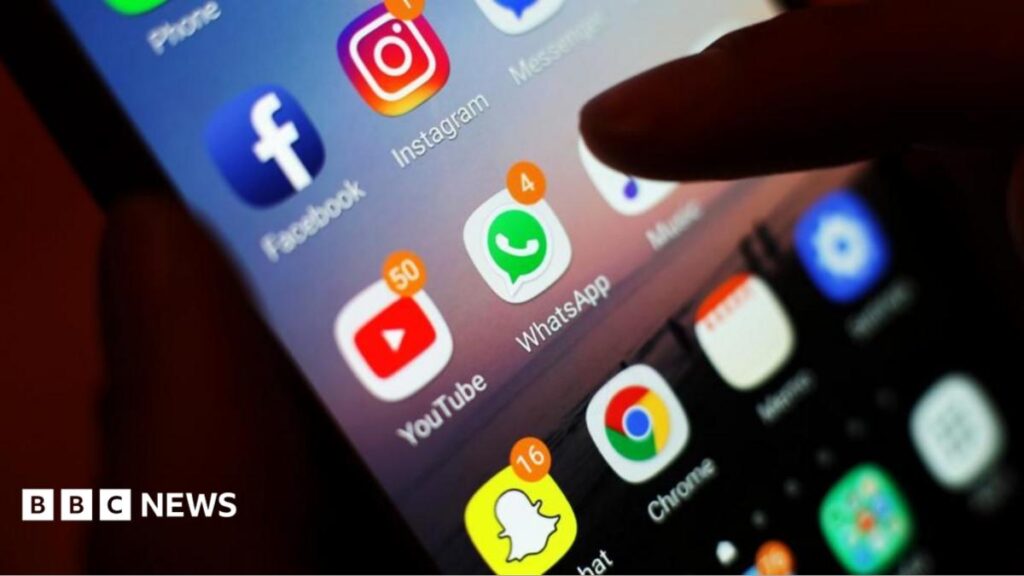
On 12 February 2026, Gabonese officials ordered a nationwide shutdown of all major social‑media services, citing that “online content was fuelling conflict” amid escalating protests over alleged vote‑rigging in the December 2025 parliamentary elections. The decree was enforced through orders to internet service providers to block IP ranges associated with platforms such as Facebook, Instagram, TikTok and Twitter, effectively silencing digital discourse for eight months.
Opposition parties and civil‑society groups condemned the move as a blatant abuse of power, warning that the ban would deepen mistrust and push dissent underground. Human rights NGOs, including Amnesty International, reported that journalists and activists faced intimidation for attempting to share information through encrypted messaging apps, which were also intermittently throttled. The ban coincided with a spike in street demonstrations, leading some analysts to view the shutdown as a tactical effort to control the narrative ahead of the 2026 presidential race.
Why the restoration matters for Gabon and its diaspora
The decision announced on 20 October 2026 to restore access to social media signals a strategic retreat by the government, likely aimed at avoiding international criticism as Gabon prepares for its presidential election in December. Re‑opening the platforms restores a critical channel for the diaspora, who rely on Facebook groups and WhatsApp chats to coordinate voting assistance, fundraise for local NGOs, and monitor the election’s fairness from abroad.
Economically, the blackout had a measurable impact on small businesses that used Facebook Marketplace and Instagram to reach customers across the country and beyond. A survey by the Gabon Chamber of Commerce indicated a 12 % drop in online sales during the ban, hurting vendors in Libreville’s informal sector the most. Restoring social media could revitalize these micro‑enterprises, improve cash flow for freelancers, and signal to foreign investors that the digital environment is stabilising.
A regional pattern of digital repression and pushback
Gabon’s eight‑month ban adds to a growing list of African states that have intermittently restricted internet access in response to political unrest. Ethiopia’s 2023 shutdown during the Tigray conflict, Kenya’s temporary block of Twitter in 2022, and Sudan’s repeated bans since 2021 illustrate a continental trend where governments view digital platforms as both a threat and a bargaining chip. Scholars argue that these actions often backfire, prompting stronger civil‑society coalitions and greater international scrutiny.
The Gabonese case also highlights the role of regional bodies such as the African Union and the Economic Community of Central African States (ECCAS), which have begun to draft guidelines on digital rights. After the ban, ECCAS convened an emergency meeting in Brazzaville, where representatives urged member states to adopt “proportionate” internet restrictions and to ensure transparency. The pressure from these institutions, combined with the economic cost of the shutdown, likely contributed to the government’s reversal.
What lies ahead: monitoring, reforms and the tech sector’s future
With the ban lifted, attention now turns to whether Gabon will implement safeguards to prevent a repeat. Civil‑society coalitions, led by the Gabonese Digital Rights Alliance, have submitted a draft “Internet Freedom Charter” to the Ministry of Communication, calling for an independent oversight body, clear legal definitions of “content that fuels conflict,” and mandatory judicial review before any future shutdowns. The government has signalled willingness to discuss the charter, but concrete legislative action remains pending.
For Gabon's burgeoning tech ecosystem, the restoration is a lifeline. Startups that had paused development due to limited user reach are resuming operations, and investors are watching closely for signs of policy stability. Moreover, the diaspora’s renewed ability to engage online could spark a wave of cross‑border collaborations, especially in fintech solutions that aim to increase financial inclusion for the unbanked. How the state balances security concerns with digital openness will shape Gabon’s reputation as a viable hub for innovation in Central Africa.
Quick Answers
When did Gabon lift its social media ban?
Gabon announced the restoration of social‑media access on 20 October 2026, ending an eight‑month blackout that began in February 2026.
Why was the social media ban originally imposed?
The government said online content was fueling conflict amid protests over alleged vote‑rigging in the December 2025 parliamentary elections.
How does the ban affect Gabon’s economy?
The shutdown cut online sales by about 12 % for small businesses, hurting vendors who rely on platforms like Facebook Marketplace for revenue.
Source: www.bbc.co.uk



💬 Comments 0