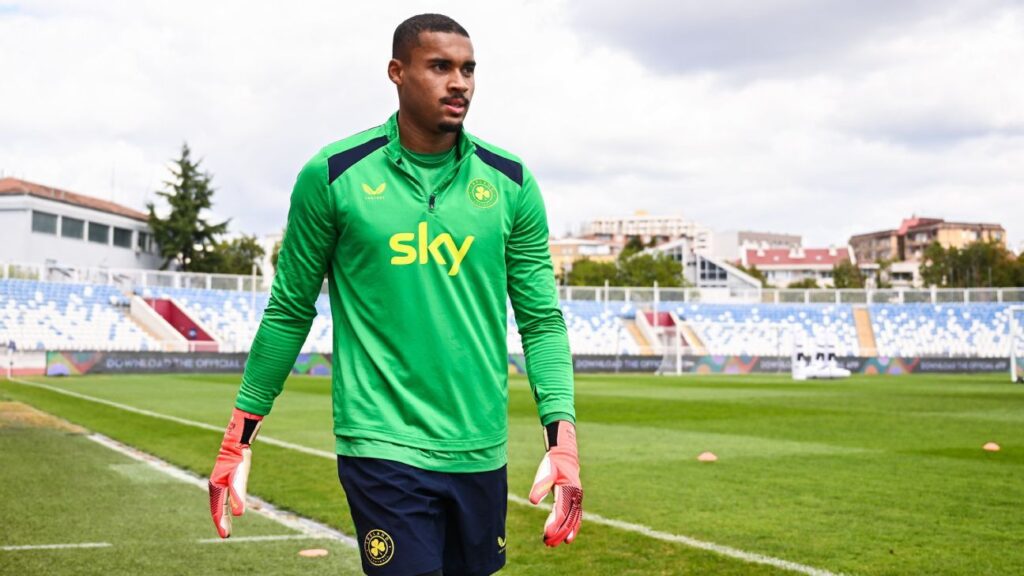
Gavin Bazunu refuses to play Israel for Ireland Nations League 2026 on principle
Background: The Nations League tie and the Gaza war
The Republic of Ireland were scheduled to face Israel in two Nations League matches in September 2026, a fixture that quickly became a flashpoint after the ongoing Gaza conflict intensified global criticism of Israel’s military actions. While UEFA insists that sport should remain apolitical, many national teams and players have faced pressure to either boycott or speak out, turning a routine football calendar into a diplomatic dilemma.
Gavin Bazunu, the 26‑year‑old Bolton Wanderers goalkeeper who earned his first senior cap for Ireland in 2022, announced on social media that he would sit out the Israel games “as a matter of principle”. His statement echoed similar gestures by athletes across sports who have used their platforms to protest Israel’s policies in the occupied territories, a trend that has grown since the 2023 escalation.
Why Bazunu’s decision matters for Irish football
Bazunu is Ireland’s first‑choice keeper and a key figure in the squad’s defensive set‑up. Losing him for two competitive matches forces manager Stephen Kenny to reshuffle the back‑line, potentially compromising the team’s chances of avoiding relegation from League B. The decision also raises questions about the authority of the Football Association of Ireland (FAI) to compel players to travel to politically contentious venues.
Beyond the tactical impact, Bazunu’s stance highlights a growing rift between players’ personal convictions and national federations’ obligations to UEFA. If more squad members follow his example, the FAI could be forced to field a weakened side, jeopardising the nation’s UEFA coefficient and, by extension, future tournament seedings.
A broader pattern: African and diaspora athletes taking political stands
Bazunu’s boycott is part of a wider movement among African‑origin athletes who have increasingly linked their sport to human‑rights advocacy. In 2024, the Nigerian Football Federation faced criticism after several of its overseas‑based players refused to travel to Israel for a friendly, citing solidarity with Palestinians. Similarly, South African sprinter Akani Simbine publicly declined an invitation to a meet in Tel Aviv, prompting a debate about the role of African sporting bodies in geopolitical conflicts.
The African Union has passed multiple resolutions condemning Israel’s actions in Gaza, and many African states have cut diplomatic ties or downgraded relations. This political climate creates a fertile ground for athletes of African descent—whether playing for European nations or African teams—to align their personal values with continental policy, thereby amplifying the pressure on governing bodies like UEFA.
Implications for the Irish diaspora and African fans in Europe
Ireland’s sizable diaspora in the United Kingdom includes a growing community of African immigrants who follow both Irish and African football closely. Bazunu’s decision resonates with these fans, many of whom have family ties to Gaza or have participated in solidarity protests across London. Their reaction on social media shows a mixture of admiration for the goalkeeper’s moral stance and concern about the sporting cost to Ireland.
For African fans, the incident reinforces a perception that European football is finally acknowledging the moral weight of the Israel‑Palestine issue. It may encourage more African‑based supporters to voice expectations of political accountability from clubs and national teams, potentially reshaping fan‑club relationships in the UK and Ireland.
What’s next? Potential fallout and the road ahead
The immediate consequence is that Ireland will field a backup goalkeeper—likely James Talbot or a yet‑to‑be‑named youth prospect—in the Israel fixtures. UEFA’s disciplinary committee is expected to monitor the situation closely; while there is no rule that forces a player to travel, repeated boycotts could trigger sanctions against the association if they are deemed to undermine the competition’s integrity.
Long‑term, Bazunu’s stand could set a precedent for future players confronting contentious match venues. The FAI may need to develop a clear policy on political objections, perhaps drawing on examples from the German Football Association, which recently introduced a “human‑rights clause” allowing players to opt out of matches under specific circumstances. How the Irish federation balances sporting commitments with moral considerations will likely influence other European nations facing similar dilemmas.
Quick Answers
Why did Gavin Bazunu refuse to play against Israel?
Bazunu said he would sit out the Nations League games with Israel on principle, citing the ongoing Gaza conflict and his personal opposition to Israel’s actions.
How will Ireland cope without Bazunu in the upcoming matches?
Ireland will use a backup goalkeeper, such as James Talbot, and may have to adjust defensive tactics, which could affect their chances of staying in League B.
Is this the first time an Irish player has boycotted a match for political reasons?
While rare, Bazunu’s boycott follows earlier instances where Irish athletes have taken political stands, but it is the first high‑profile football refusal linked to the Israel‑Palestine issue.
Source: www.espn.com




💬 Comments 0