Gen Z’s Cold Drink Craze Forces Starbucks to Rethink Menus in 2026, Shaping African Coffee Brands
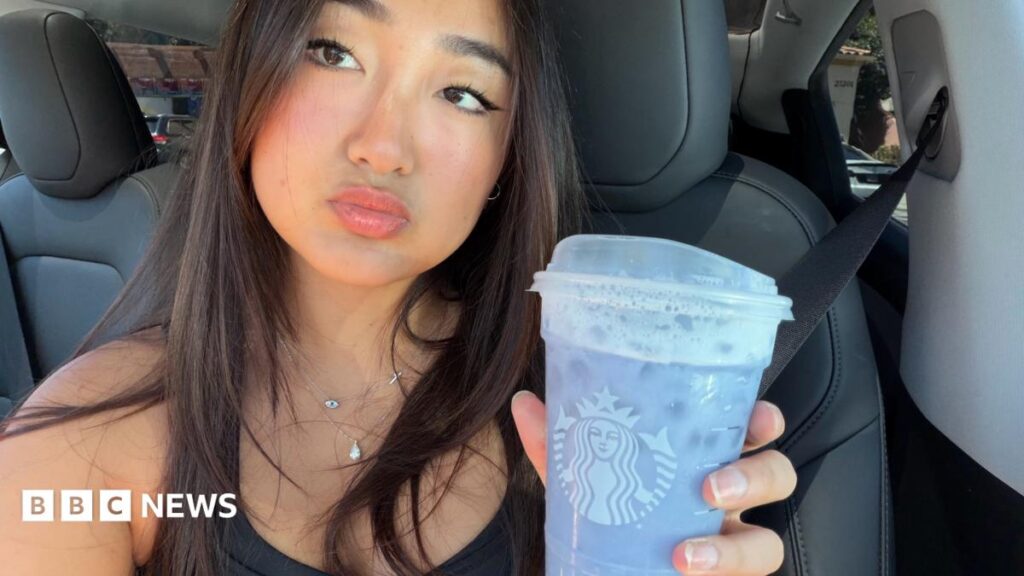
The cold wave: Gen Z rewrites the rules of coffee consumption
Across the globe, the youngest adult cohort is abandoning the steaming mug in favour of a glass of ice‑cold brew. Data from Euromonitor released in June 2026 shows that 62 % of consumers aged 18‑24 now list "iced coffee" or "cold specialty drinks" as their top beverage choice, up from just 38 % five years ago. The shift is not merely a seasonal flirtation; it reflects a broader desire for convenience, visual appeal and a beverage that can double as a social media prop.
Cold drinks align with Gen Z’s lifestyle of on‑the‑go multitasking and digital sharing. A study by NielsenIQ found that 71 % of respondents said the "Instagram‑ability" of a drink influences their purchase, and the frothy layers of a cold latte or the neon‑bright hues of a fruit‑infused iced tea translate perfectly into scroll‑stopping content. The tactile experience of a chilled glass also satisfies a sensory craving that hot drinks cannot match in a climate‑controlled, air‑conditioned world.
The trend is reinforced by the rise of home‑brew cold‑brew kits and subscription services that promise barista‑grade chill in minutes. According to market‑research firm Mintel, sales of cold‑brew coffee pods grew by 48 % year‑on‑year in the United States and Europe during the first quarter of 2026, a growth rate that outpaces the overall coffee market’s 12 % increase. This consumer‑driven momentum is forcing even legacy coffee houses to re‑engineer their menus.
From hot cups to iced trends: how big chains are reacting
Starbucks, the industry bellwether, announced in August 2026 that it will roll out a new line of "Cold Fusion" beverages in 30 major markets, featuring nitrogen‑infused cold brew, fruit‑forward teas and customizable milk alternatives. The chain’s CFO, Rachel Ruggeri, told investors that the new range is projected to generate an additional $1.2 billion in revenue by 2028, a figure that underscores how seriously the company is taking the cold shift.
Other global players are not standing still. Costa Coffee unveiled a "Refresh" menu in the UK that includes a carbonated cold espresso, while Dunkin’ has expanded its "Cool‑Down" line with a focus on low‑sugar, plant‑based options. In Asia, the Korean chain Café24 introduced a line of ice‑cold matcha lattes that blend traditional tea culture with Gen Z’s penchant for novelty. The common denominator is a move away from the classic espresso‑centric model toward a modular, mix‑and‑match approach.
These product pivots are accompanied by changes in store design. Many outlets now feature dedicated “cold bars” with refrigerated display cases, self‑serve ice dispensers and digital ordering kiosks that let customers tweak temperature, sweetness and garnish in real time. According to a 2026 report by Retail Design Institute, 43 % of new coffee‑shop layouts in North America and Europe now allocate at least 30 % of floor space to cold‑drink preparation zones.
The ripple effect on African coffee markets and local brands
Africa, the birthplace of coffee, is feeling the tremors of the cold‑drink surge. In Kenya, the Kenya Coffee Producers Association reported a 15 % rise in demand for washed Arabica beans suitable for cold‑brew processing, a segment traditionally dominated by European roasters. This shift is prompting smallholder cooperatives to experiment with lighter roasts that preserve acidity and fruit notes when served over ice.
Local chains are seizing the moment. Nigeria’s Brewed Bliss, a Lagos‑based café that started as a pop‑up in 2022, launched a "Chill Series" in March 2026 featuring a cold‑brew made from Ethiopian Yirgacheffe and a line of hibiscus‑infused iced teas. Within three months, the brand saw a 28 % increase in foot traffic, according to its co‑founder, Tunde Adebayo. Similar stories are emerging in South Africa, where the Cape Town‑originated brand Bean & Chill raised a $3 million Series A round to scale its cold‑brew distribution across the continent.
For African coffee exporters, the cold‑drink trend opens new revenue streams but also demands quality adjustments. Export data from the International Coffee Organization indicates that by the end of 2026, shipments of coffee graded for “cold‑brew suitability” will account for roughly 8 % of Africa’s total coffee export volume, up from 3 % in 2023. This evolution could encourage investment in processing infrastructure and give African farmers greater bargaining power in a market that historically favoured dark‑roast profiles.
Diaspora dynamics: how the global African community fuels the craze
The African diaspora, especially in North America and Europe, acts as a cultural conduit for the cold‑drink phenomenon. A 2026 survey by the African Diaspora Business Council found that 54 % of respondents aged 18‑35 prefer iced coffee when ordering at American chains, citing “taste” and “trendiness” as top reasons. Many credit social media influencers of African descent who showcase elaborate cold‑brew recipes on TikTok and Instagram, creating a feedback loop that reinforces the preference.
Remittances are also playing an indirect role. The World Bank estimates that African households receiving diaspora remittances have a 12 % higher likelihood of purchasing premium coffee equipment, such as cold‑brew makers, than those without such income streams. This uptick in home‑brew capability translates into a more discerning consumer base that expects café‑level cold beverages when they step out, pushing local cafés to upgrade their offerings.
Moreover, diaspora entrepreneurs are launching niche cold‑drink startups that blend African flavours with global trends. In London, Ghanaian‑British founder Ama Mensah introduced “Kola‑Cold,” a carbonated iced coffee infused with kola nut and ginger, which quickly secured a partnership with a major UK supermarket chain. Such ventures illustrate how cultural hybridity can generate product innovation that resonates both within Africa and abroad.
What’s next: forecasting the future of coffee in a chilled world
Analysts predict that the cold‑drink momentum will intensify rather than plateau. A forecast by BloombergNEF projects that by 2028, cold‑brew and iced specialty drinks will represent 38 % of total coffee‑shop sales globally, up from 24 % in 2025. The growth is expected to be driven by continued product diversification, such as nitrogen‑infused cascara sodas and probiotic‑enhanced iced coffees that cater to health‑conscious Gen Zers.
For African markets, the opportunity lies in scaling cold‑brew expertise and exporting that know‑how. Governments in Ethiopia and Rwanda are already discussing incentives for coffee processors to develop “cold‑brew ready” beans, a move that could position the continent as a premier source for the next generation of coffee. If these policies materialise, Africa could capture a larger slice of the $120 billion global coffee market that is projected to be worth $150 billion by 2030.
Consumers, too, are likely to demand more sustainability. A 2026 poll by Green Coffee Initiative revealed that 68 % of Gen Z coffee drinkers would switch brands if a company offered a fully recyclable cold‑drink container. Brands that combine cold‑drink innovation with eco‑friendly packaging will therefore enjoy a competitive edge, especially in markets where environmental awareness is rising fast, such as South Africa’s urban centres.
Quick Answers
Why are Gen Z consumers preferring iced coffee over hot coffee?
Gen Z values convenience, visual appeal for social media, and a refreshing taste that fits their on‑the‑go lifestyle, making iced coffee a more attractive option than hot brews.
How is the cold‑drink trend affecting African coffee producers?
African farmers are seeing higher demand for lighter, fruit‑forward beans suited for cold‑brew, prompting a shift in export grades and encouraging investment in processing infrastructure.
What new cold‑drink offerings are major coffee chains launching in 2026?
Starbucks introduced its "Cold Fusion" line, Costa Coffee rolled out a "Refresh" menu with nitrogen‑infused espresso, and Dunkin’ expanded its "Cool‑Down" range with low‑sugar, plant‑based options.
Source: www.bbc.co.uk




💬 Comments 0