George Russell’s Vegas Q3 Pole Miss: Toto Wolff’s Defense, Title Implications & African F1 Market 2026
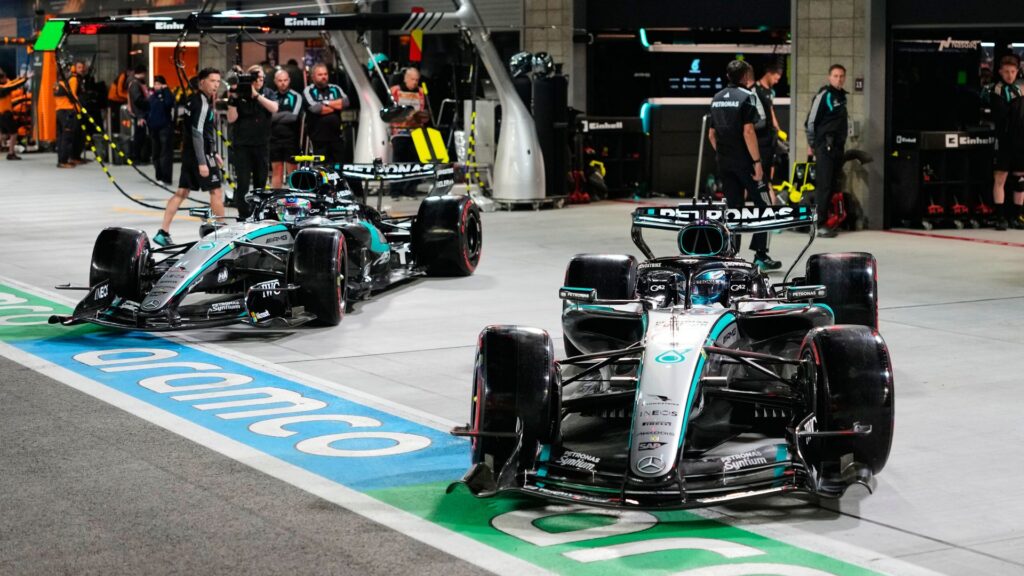
The Vegas qualifying drama – what unfolded on the streets of Las Vegas
The Las Vegas Grand Prix, the newest stop on the 2026 Formula One calendar, delivered a nail‑biting qualifying session on Saturday. George Russell, who had been the fastest in the first two qualifying segments, entered the final Q3 round from the fourth‑fastest slot – a position that many pundits argued was sub‑optimal for a pole attempt on a street circuit with rapidly changing grip levels.
When the clock hit the final ten seconds, Russell launched his Mercedes onto the track, only to see his lap time eclipsed by his teammate Lewis Hamilton, who had started from a slightly better position. The result left Russell in fifth place, missing the coveted pole by a fraction of a second. Social media erupted with criticism, suggesting the team had mis‑calculated the optimal track position for the British driver’s final run.
Mercedes team principal Toto Wolff quickly stepped into the spotlight, insisting that Russell’s starting slot was "perfect" for his final attempt. Wolff argued that the team’s data indicated the track would be at its most stable in the narrow window Russell used, and that any alternative would have risked a slower lap due to tyre temperature loss or traffic.
The strategic gamble – why Mercedes stuck to its Q3 plan
Qualifying on a street circuit like Las Vegas is a high‑stakes chess game. Grip evolves lap by lap, and tyre temperature management is crucial. Mercedes’ engineers had modeled the circuit’s evolution and concluded that the fourth‑position slot would give Russell the cleanest air and the freshest tyres at the exact moment the track surface reached its peak performance.
Wolff’s public defence reflects a deeper philosophy that the team has embraced this season: prioritize data‑driven consistency over reactive decisions. In previous races, Mercedes has occasionally shuffled drivers between slots to chase a better line, but those moves sometimes backfired, leading to intra‑team tension. By standing firm on the original plan, Wolff signalled confidence in the team’s analytical framework.
Critics note that Hamilton’s later lap, which secured pole, benefited from a slightly later window when the track was marginally hotter. However, Mercedes’ internal telemetry reportedly showed that Russell’s tyres would have degraded faster had he waited, potentially costing him more than the few tenths of a second he lost. The decision, therefore, was a calculated risk rather than a simple oversight.
Championship ramifications – what the Vegas outcome means for Russell’s title bid
Missing pole in Las Vegas could tighten the championship battle between Russell and his main rivals, especially Red Bull’s Max Verstappen. Starting fifth forces Russell to navigate traffic early in the race, increasing the likelihood of tyre wear and strategic pit‑stop complications. Historically, drivers who lose top‑grid positions on street circuits face a higher probability of finishing outside the podium.
Nonetheless, Mercedes’ race‑day strategy may mitigate the qualifying setback. The team has hinted at a more aggressive tyre‑choice plan for the race, potentially allowing Russell to under‑cut rivals in the opening laps. If the Briton can convert a strong start into a podium, the points deficit from missing pole could be narrowed considerably.
Wolff’s confidence in the Q3 approach also serves a psychological purpose. By publicly backing the decision, he shields Russell from doubt and reinforces a united front. In a sport where driver morale can translate directly into on‑track performance, that reassurance could be as valuable as any engineering tweak.
African fans, markets and the growing F1 footprint
While the Vegas qualifying saga plays out in the United States, its reverberations are felt across the African continent, where Formula 1’s audience has been expanding rapidly. South Africa’s historic Grand Prix legacy, combined with a surge of streaming subscriptions in Nigeria, Kenya and Ghana, means that every high‑profile qualifying drama draws millions of new viewers.
Mercedes, a brand with deep roots in South Africa through its long‑standing partnership with the South African Automobile Association (SAAA), leverages these moments to engage African fans via localized content, behind‑the‑scenes footage, and driver‑focused storytelling. Wolff’s defence of Russell offers a narrative hook that African marketers can spin into “teamwork and data‑driven success” – themes that resonate with the continent’s burgeoning tech and automotive sectors.
Moreover, the race’s outcome could influence sponsorship negotiations with African companies eyeing global exposure. A strong finish for Russell would reinforce Mercedes’ image as a performance leader, making the team a more attractive partner for brands like MTN, Safaricom and Nigerian oil firms seeking to associate with top‑tier motorsport success.
What’s next – qualifying tactics and team hierarchy in the 2026 season
The Las Vegas episode is likely to inform how Mercedes approaches future street‑circuit qualifiers. Expect the team to refine its slot‑allocation algorithm, perhaps incorporating real‑time weather updates and live tyre‑temperature feeds to decide whether to keep a driver’s original position or shuffle them at the last minute.
Internally, the incident may also shift the subtle power balance between Russell and Hamilton. Hamilton’s pole‑winning lap, achieved from a similar position, could be used by the team to argue that experience still carries weight in split‑second decisions. Conversely, Russell’s willingness to accept the team’s plan without public dissent demonstrates his growing maturity as a championship contender.
For African followers, the broader lesson is that Formula 1’s technical nuances are now part of everyday conversation, not just a distant spectacle. As more African engineers, data analysts and drivers climb the junior‑formula ladder, understanding the strategic layers behind a qualifying session becomes essential – and stories like Wolff’s defence provide a real‑world case study.
Quick Answers
Why did Toto Wolff say George Russell had a perfect position for his Las Vegas Q3 run?
Wolff argued that the fourth‑position slot gave Russell the freshest tyres and clean air at the moment the track surface was at its best, based on Mercedes’ data models.
How could Russell’s fifth‑place start in Las Vegas affect his 2026 championship hopes?
Starting fifth on a street circuit increases the risk of traffic and tyre wear, which could reduce his points haul unless Mercedes’ race strategy compensates.
What relevance does the Las Vegas qualifying drama have for African Formula 1 fans?
The event fuels growing African interest in F1, influences local sponsorship deals with Mercedes, and provides a case study of data‑driven racing strategy for aspiring African engineers and drivers.
Source: www.skysports.com




💬 Comments 0