Germany 2026 protests turn violent in Frankfurt, Berlin, Cologne, Hamburg – why it matters
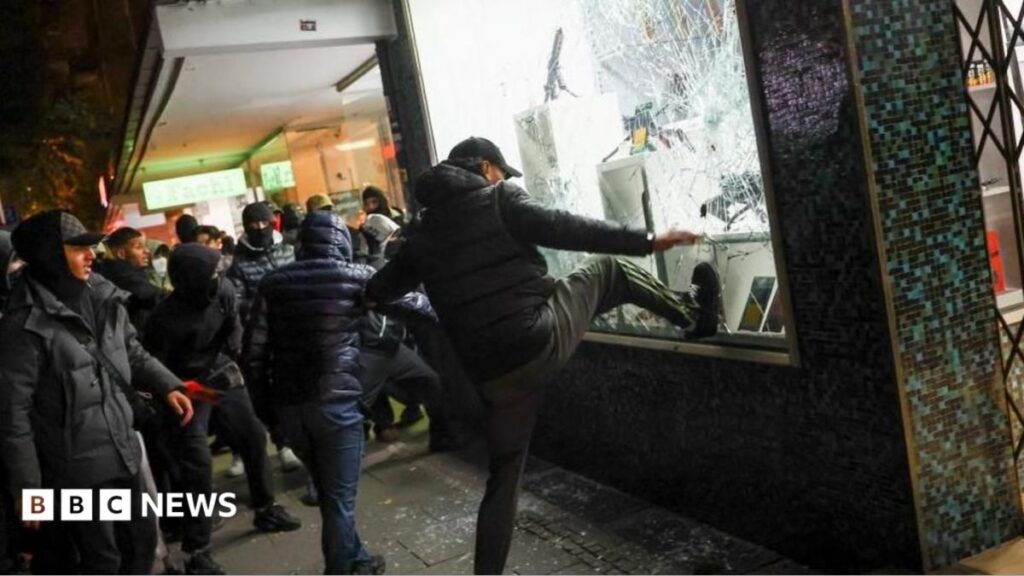
Background: why the streets filled on November 1
The demonstrations that erupted across Germany on November 1 were sparked by a mix of economic and political grievances. Rising energy prices, a recent hike in the public transport surcharge, and a controversial amendment to the climate‑action law galvanized trade unions, student groups and left‑wing NGOs into a coordinated call for mass rallies.
Organisers framed the protests as a defence of the social welfare model that many Germans fear is eroding under pressure from the European Union’s fiscal rules. Social media platforms amplified the message, with hashtags trending in both German and English, drawing participants from across the country and from diaspora communities living in German cities.
Historically, German streets have seen large‑scale demonstrations on issues ranging from anti‑nuclear activism in the 1980s to the recent “Fridays for Future” climate strikes. This wave of unrest fits within that tradition, but the confluence of cost‑of‑living concerns and climate policy made it uniquely volatile.
The day of unrest: from orderly marches to looting
Early in the morning, tens of thousands gathered peacefully in the central squares of Frankfurt, Berlin, Cologne and Hamburg. Police reported that most participants followed the agreed‑upon routes and kept chants non‑violent, echoing the tone of earlier protests in the year.
Around midday, a small fringe group began to break away, throwing projectiles at police barricades and setting fire to a few storefronts in Frankfurt’s Bahnhofsviertel. According to local news outlets, the escalation was triggered when police attempted to disperse a subgroup that had ignored a curfew announced by city authorities.
Within hours the situation spiralled into looting in the commercial districts of each city. Video footage shared on social media showed cars being overturned, shop windows smashed and makeshift barricades erected. By evening, police forces from neighbouring states were deployed, and a curfew was enforced in all four cities until the following morning.
Why it matters for Europe and the African diaspora
The violence has immediate implications for Germany’s immigration policy, a topic that directly affects African migrants and students. German officials have hinted that the unrest could accelerate stricter visa controls, a move that would tighten entry for many African nationals studying or working in the country.
African diaspora organisations in Berlin and Hamburg quickly issued statements condemning the looting while urging German authorities to protect minority‑run businesses that were targeted. Sources say several African‑owned shops in Cologne’s Südstadt district suffered damage, prompting community leaders to call for restitution and better police protection.
Beyond Germany, the unrest raises questions about the stability of EU‑Africa trade talks scheduled for early 2027. European investors watch domestic unrest closely; any perception of a deteriorating security environment could delay agreements on renewable‑energy projects that many African nations rely on for financing their climate transitions.
A broader pattern: protest contagion across continents
The German unrest mirrors a wave of street movements that have swept across Africa this year, from Nigeria’s fuel‑price protests in Lagos to Kenya’s teachers’ walk‑outs over salary cuts. Analysts note a shared narrative: citizens confronting rising living costs while demanding governments honour social contracts.
Digital platforms have amplified the cross‑border resonance of these grievances. A tweet from a Nigerian activist praising German demonstrators was retweeted thousands of times, creating a feedback loop that reinforces solidarity among disparate protest movements.
Experts at the African Centre for Strategic Studies argue that the German episode underscores a global “price‑shock” syndrome, where inflationary pressures in Europe ripple into African economies through trade links and remittance flows. When European consumers curb spending, African exporters of commodities such as cocoa and coffee feel the pinch, potentially fuelling further unrest on the continent.
Reactions and what could happen next
Chancellor Olaf Scholz addressed the nation on television, describing the looting as “criminal acts that betray the spirit of peaceful protest.” He announced a review of police tactics and pledged additional funding for community policing in affected districts.
Opposition parties, notably the Greens and the Left, seized the moment to criticize the government’s handling of the climate‑policy amendment, arguing that the crackdown could alienate young voters, many of whom are of African descent and active in climate justice circles.
Looking ahead, civil‑society groups are organising a series of town‑hall meetings in the diaspora hubs of Frankfurt and Berlin to discuss security, immigration reform and reparations for damaged African‑owned businesses. If these dialogues gain traction, they could shape Germany’s approach to both domestic policing and its broader relationship with African partners.
Quick Answers
What triggered the violence during Germany's November 1 protests?
Police attempts to disperse a fringe group that ignored a curfew sparked confrontations, which quickly escalated into looting in Frankfurt, Berlin, Cologne and Hamburg.
How might the unrest affect African migrants in Germany?
Officials have hinted at tighter visa controls, and several African‑owned shops were damaged, prompting diaspora groups to demand protection and restitution.
Is there a link between the German protests and recent African demonstrations?
Both regions are reacting to rising living costs and perceived government neglect, with digital platforms amplifying solidarity across continents.
Source: www.bbc.co.uk




💬 Comments 0