Gianni Infantino’s abandoned World Cup stake sale: impact on African football and 2026
Background – the stake‑sale plan that rattled FIFA
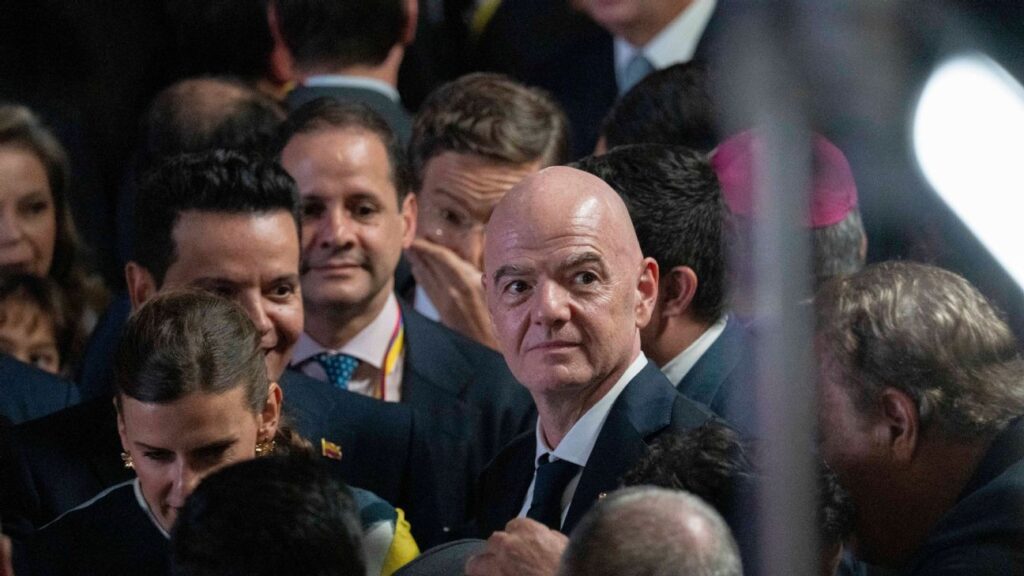
In early 2025 Gianni Infantino unveiled a proposal to sell a minority equity stake in the commercial rights of the FIFA World Cup, arguing it would bring fresh capital and modernise the tournament’s revenue model. The idea was met with alarm from member associations, sponsors and fans who feared the commoditisation of the sport’s flagship event.
Critics argued that turning the World Cup into a tradable asset could erode the principle of collective ownership that underpins FIFA’s structure. African federations, still fighting for a fair share of broadcasting and marketing revenue, were among the loudest opponents, warning that the deal could widen the financial gap between Europe and the rest of the continent.
The proposal sparked a cascade of petitions, legal threats and a rare public rebellion within the FIFA Council. By mid‑2025, the plan was suspended for “further review”, but the damage to Infantino’s credibility was already evident.
The rollback and the surge of opposition
In March 2026 Infantino formally withdrew the stake‑sale initiative, citing “insufficient consensus among the 211 member associations”. The reversal was framed as a victory for the dissenting voices, yet it left the organisation in a fragile state, with a growing coalition of governors demanding broader governance reforms.
Among the dissenters are several African vice‑presidents, most notably South Africa’s Patrice Motsepe, who has been vocal about the need for transparent financial distribution. Sources close to the CAF executive say the African bloc is now leveraging its collective voting power to push for a new revenue‑sharing formula that favours developing football markets.
The controversy has also emboldened rival candidates ahead of the 2027 presidential election. Former UEFA chief Aleksander Čeferin and a coalition of former players are positioning themselves as alternatives to Infantino’s “business‑first” approach, while African stakeholders are quietly rallying behind a potential home‑grown challenger.
Why African football feels the tremor
Africa’s share of World Cup revenues has historically hovered around 4‑5 % of the total pot, a figure that many federations consider inadequate given the continent’s growing fan base and market potential. The abandoned stake‑sale raised fears that future commercial deals could further marginalise African broadcasters and sponsors.
A more immediate concern is the 2026 World Cup in the United States, Canada and Mexico. CAF officials argue that the tournament’s scheduling, marketing focus and ticket allocation have been designed with North‑American audiences in mind, leaving African fans with limited access and higher costs. This perception fuels a broader narrative that FIFA’s priorities are shifting away from truly global inclusion.
Beyond revenue, the governance fallout matters for Africa’s long‑term aspirations to host a World Cup. The continent’s last successful bid was South Africa in 2010; a renewed African bid for 2030 is already being discussed. The current crisis could either weaken Africa’s bargaining position or, if the reform momentum continues, provide leverage to demand a seat at the table for future hosting decisions.
Potential successors and the rise of African influence
Patrice Motsepe, who serves as FIFA vice‑president and chairs the CAF Executive Committee, has emerged as the most plausible African contender for the 2027 election. While he has not officially declared his candidacy, insiders say he is gauging support across the continent and among reform‑minded European unions.
Motsepe’s platform reportedly centres on three pillars: a transparent financial model that guarantees a minimum 10 % share of World Cup revenues for Africa, a rotating slot for African nations in the World Cup host‑selection process, and a revamp of the FIFA Council to reduce the influence of powerful commercial partners. If successful, his agenda could reshape the global football economy for the next decade.
Even if Motsepe does not win, the very fact that an African official is being seriously considered reflects a shift in the balance of power within FIFA. Analysts say the crisis has forced the organisation to recognise that ignoring the continent’s 1.3 billion football fans is no longer tenable.
What comes next – reforms, elections and the 2026 tournament
The next six months will be crucial. An extraordinary FIFA Congress is slated for July 2026, where a reform package – including a revised revenue‑sharing formula and stricter conflict‑of‑interest rules – is expected to be debated. African federations have pledged to block any proposal that does not meet their minimum thresholds, according to CAF communications.
Meanwhile, the 2026 World Cup will proceed as planned, but with heightened scrutiny on ticket pricing, broadcasting rights for African markets and the inclusion of African fan zones in host cities. Early indications suggest that broadcasters like SuperSport and Canal+ are negotiating separate packages to ensure affordable access for African audiences.
Finally, the presidential race will likely reshape FIFA’s strategic direction. Whether Infantino manages to secure a third term, or a reformist coalition takes the helm, the outcome will determine how African football is funded, represented and celebrated on the world stage for years to come.
Quick Answers
Why did Gianni Infantino abandon the World Cup stake‑sale plan?
He withdrew it after facing overwhelming opposition from member associations, especially African federations, who argued the deal would undermine collective ownership and widen revenue gaps.
How could the controversy affect Africa’s share of World Cup revenue?
The backlash has pushed CAF to demand a higher minimum percentage of tournament income, potentially raising Africa’s share from about 5 % to at least 10 % if reforms are adopted.
Is there an African candidate for the 2027 FIFA presidency?
Patrice Motsepe, South Africa’s billionaire and FIFA vice‑president, is widely seen as the most likely African contender, though he has not yet announced an official candidacy.
Source: www.espn.com



💬 Comments 0