Gloria Steinem dies at 92, feminist icon whose legacy drives women’s movement in 2026
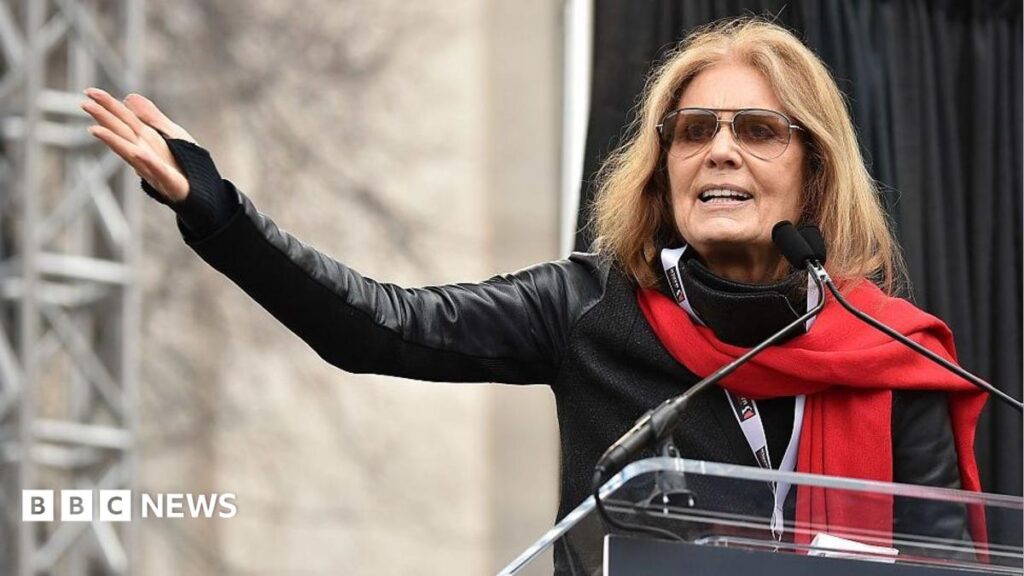
A life that reshaped the fight for gender equality
Born in 1934, Gloria Steinem emerged from a privileged Midwestern upbringing to become the public face of the American women's liberation movement. Her career took off in the late 1960s when she co‑founded the feminist magazine *Ms.* and helped launch the National Women's Political Caucus, institutions that gave a platform to issues ranging from workplace discrimination to reproductive rights. Over six decades she blended journalism, activism, and entrepreneurship, turning abstract ideals into concrete policy battles.
Steinem’s tactics—rallies, teach‑ins, and high‑profile media stunts like the 1971 “Take Back the Night” march—redefined how social movements communicated their demands. By the 1980s she was testifying before Congress, advising presidents, and mentoring a new generation of activists. Her emphasis on intersectionality, though critiqued for being slower to embrace women of colour, nonetheless laid groundwork for later, more inclusive feminism.
The world learns of her passing
The Gloria Steinem Fund announced on Wednesday that the activist had died at the age of 92, confirming the news after a brief statement from her longtime publicist. No cause of death was released, but the foundation emphasized that she had been “surrounded by family and friends” in her final days. Memorial services are planned in both New York and Washington, D.C., with a virtual component for global supporters.
Major news outlets, from the *New York Times* to the BBC, ran obituaries that highlighted her role in the 1970s women’s march on Washington, which drew an estimated 200,000 participants. Social media lit up with tributes ranging from former U.S. presidents to contemporary artists, underscoring the breadth of her influence across politics, culture, and academia.
Why her death matters for the global feminist agenda
Steinem’s exit marks the end of an era defined by a handful of high‑profile leaders who could command mainstream attention. Today, the feminist movement is more fragmented, operating through digital collectives, grassroots NGOs, and intersectional frameworks that extend beyond gender to include climate, race, and economic justice. The vacuum left by a singular, charismatic figure could accelerate this diversification, pushing younger activists to fill leadership gaps with new models of collective decision‑making.
Financially, the *Ms.* brand—still owned by the Steinem Fund—has been a critical source of revenue for feminist education programs. The foundation’s board has already signaled a smooth transition of stewardship to a younger cohort, but donors are watching closely to see whether the organization will maintain its fundraising momentum without the founder’s public profile.
African resonance: how Steinem’s legacy reverberates across the continent
Although Steinem’s work was rooted in the United States, her ideas have long been part of the curriculum in African gender studies departments, especially the concepts of reproductive autonomy and workplace equality. Nigerian activist Olufunke Aluko notes that the 1995 Beijing Platform for Action, which Steinem helped promote, was a catalyst for the African Women’s Development Fund’s expansion across the continent.
In the diaspora, African‑American feminist collectives such as the Black Women’s Blueprint have repeatedly cited Steinem’s early advocacy for intersectionality as a stepping‑stone, even as they critique the limited inclusion of women of colour in her era. Meanwhile, grassroots movements in Kenya, Ghana, and South Africa have adapted her protest tactics—marches, sit‑ins, and targeted media campaigns—to demand policy reforms on issues like land rights and gender‑based violence.
What comes next for the movement—and for African allies
The immediate challenge is to translate Steinem’s institutional legacy into a digital‑first future. Young activists are already leveraging TikTok, podcasts, and blockchain‑based fundraising to sustain feminist causes, and many see the stewardship hand‑over at the Gloria Steinem Fund as an opportunity to formalise partnerships with African NGOs. Sources say the board is exploring a joint grant program that would channel U.S. feminist philanthropy into African women’s entrepreneurship hubs.
For African feminists, the moment is both a reminder of the global interconnectedness of gender struggles and a call to assert local narratives. Scholars argue that the next wave of feminism will be defined less by a single icon and more by trans‑national networks that prioritize community‑led solutions. As the world marks the passing of a towering figure, the responsibility to keep the agenda alive now rests on a more diverse, decentralized chorus of voices.
Quick Answers
When did Gloria Steinem die?
Gloria Steinem passed away on September 4, 2026, at the age of 92.
What was Gloria Steinem known for?
She was a leading American feminist, co‑founder of *Ms.* magazine, and a key organizer of the 1970s women’s liberation movement.
How did Gloria Steinem’s work influence African women’s movements?
Her advocacy for reproductive rights, workplace equality, and intersectional activism inspired African NGOs, university curricula, and diaspora groups that adapted her tactics to local gender‑justice campaigns.
Source: www.bbc.co.uk




💬 Comments 0