Google picks Finland for €13bn data centre – biggest EU investment 2026, 10k jobs
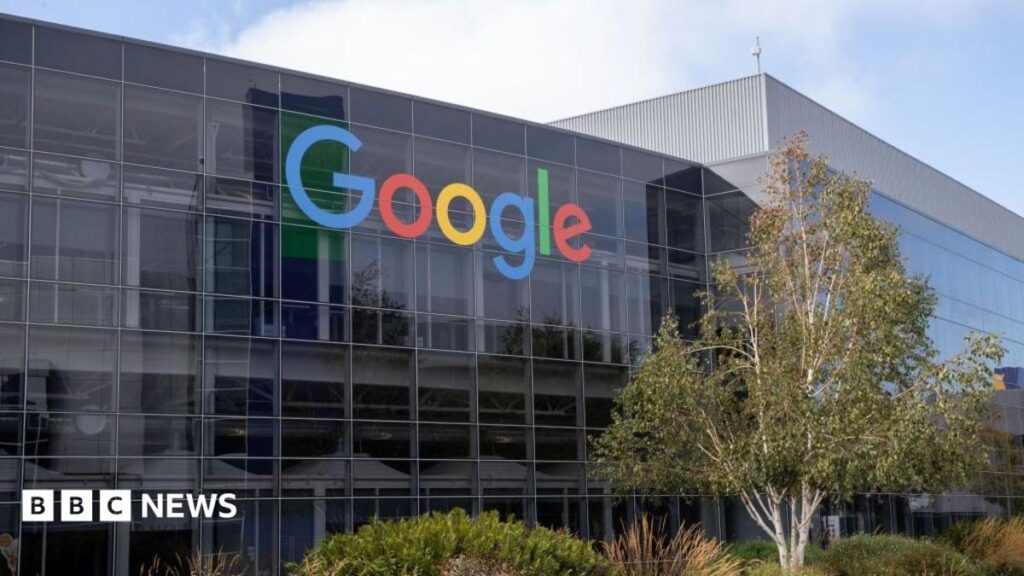
Background: Europe’s data‑centre race
Over the past decade the European Union has been courting cloud providers with subsidies, tax breaks and a promise of greener power. Nations such as Ireland, the Netherlands and Sweden have already attracted billions of euros in data‑centre construction, creating a competitive corridor that rivals the United States and Asia.
Finland entered the race later, banking on its abundant hydro‑electric and wind resources to offer low‑carbon electricity. The country’s “Data‑Centre Act” passed in 2023 guarantees fast permitting and a streamlined regulatory process, a move that has been praised by industry analysts as a decisive factor in attracting large‑scale projects.
Google’s decision follows a pattern of tech giants diversifying their infrastructure across multiple jurisdictions to reduce latency, meet data‑sovereignty rules, and hedge against geopolitical risk. The firm already operates several smaller facilities in Europe, but the Finnish project marks its biggest single‑site commitment on the continent.
The Finnish deal: scale and promises
The €13 billion investment will span a 300‑hectare campus in the town of Hamina, on the Gulf of Finland. Google plans to build three modular data‑centre modules, each capable of housing up to 100 000 servers, and to power the site entirely from renewable sources by 2028.
According to the Finnish Ministry of Economic Affairs, the project is expected to generate roughly 10 000 direct and indirect jobs during the construction phase, with a permanent workforce of about 1 200 technicians, engineers and support staff once the facilities are operational.
Google has also pledged to collaborate with local universities on AI research and to launch a training programme for Finnish IT professionals. The company says the campus will serve as a hub for its cloud services across Northern Europe, improving latency for customers in Scandinavia, the Baltic states and even parts of Russia.
Why the investment matters globally
The size of the Finnish project underscores the growing importance of Europe as a strategic data‑centre hub. By locating a massive facility close to the Arctic Circle, Google can tap into ultra‑cool climates that reduce the need for energy‑intensive cooling systems, a key factor in the industry’s push for sustainability.
Energy consumption is a hot topic for policymakers worldwide. The Finnish campus is slated to use 100 percent renewable electricity, a claim backed by the national grid operator Fingrid, which has earmarked new wind farms and upgraded hydro capacity to meet the expected demand.
From a geopolitical standpoint, the investment diversifies Google’s footprint away from the United States, where regulatory scrutiny over data privacy and antitrust issues has intensified. A robust European presence also helps the company comply with the EU’s Digital Services Act and forthcoming data‑localisation rules.
Implications for Africa’s digital ecosystem
Africa’s cloud market is projected to reach $30 billion by 2030, driven by a surge in mobile internet users and a wave of fintech innovation. Yet many African firms still rely on data centres located in Europe or the United States, which can add latency and increase costs.
Google’s new Finnish hub could indirectly benefit African businesses by expanding the company’s overall capacity, allowing it to allocate more resources to its African regions such as South Africa, Kenya and Nigeria. In recent months Google announced a €1 billion investment plan for data‑centre capacity in Africa, a move that may be accelerated by the confidence gained from the Finnish project.
The emphasis on renewable power also offers a blueprint for African governments seeking to attract similar investments. Countries like Kenya, Ethiopia and Ghana are already promoting green energy projects; showcasing a successful, carbon‑neutral data‑centre in Europe provides a compelling case study for African policymakers aiming to combine digital infrastructure with climate goals.
Finally, the training programmes promised by Google in Finland could inspire similar collaborations on the continent. Partnerships with African universities on AI and cloud engineering could help close the skills gap that currently forces many firms to outsource talent abroad.
Reactions and next steps
Finnish Prime Minister Petteri Orpo hailed the deal as a “landmark for our digital future,” noting that the investment will boost the nation’s GDP by an estimated 0.5 percent over the next five years. Opposition parties, however, warned that the government must ensure the project does not exacerbate housing shortages in the Hamina region.
Environmental NGOs have praised the renewable‑energy commitment but remain cautious, urging Google to publish transparent carbon‑accounting reports and to protect nearby wetlands from construction runoff.
The next milestone is the completion of the permitting process, slated for early 2027. Once approved, Google expects to break ground by the end of the year, with the first module becoming operational in 2029. Observers will watch closely to see whether the Finnish model can be replicated in other low‑carbon jurisdictions, including potential sites in North Africa.
Quick Answers
How many jobs will Google’s Finnish data centre create?
The project is expected to generate around 10,000 jobs during construction and about 1,200 permanent positions once the facility is running.
Will the Finnish data centre run on renewable energy?
Yes, Google has pledged to power the entire campus with 100 percent renewable electricity, mainly from hydro‑electric and wind sources.
How could this investment affect Africa’s cloud market?
By expanding Google’s overall capacity, the Finnish hub may free up resources for Africa, accelerate the company’s €1 billion African data‑centre plan, and provide a green‑energy model for African policymakers.
Source: www.bbc.co.uk




💬 Comments 0