Grand Canyon flash flood April 2026: 3 hikers rescued, 2 missing, climate alarm for US and African adventure tourism
What happened on the Colorado River
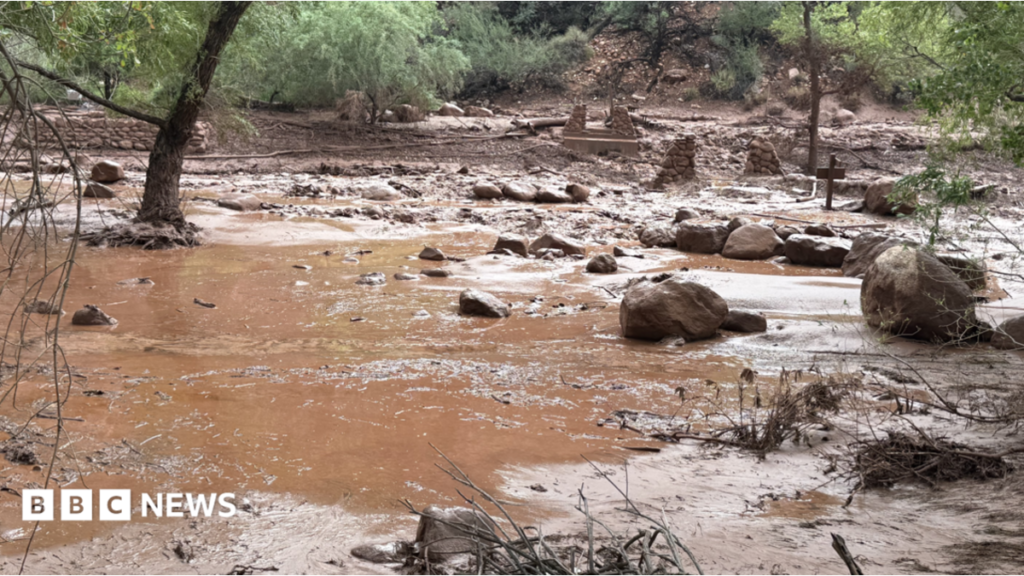
On the afternoon of April 24, 2026, an intense thunderstorm slammed the inner canyon of the Grand Canyon, dumping more than three inches of rain in under an hour. The sudden deluge caused the Colorado River to swell dramatically, turning a normally placid stretch into a roaring torrent that surged over the rim of the riverbank. Hikers who were on the Bright Angel Trail and River Trail found themselves trapped on narrow ledges as water roared past at speeds estimated at 15 miles per hour, according to the National Park Service (NPS). Within minutes, the situation turned chaotic: some trekkers were swept downstream, while others clambered onto higher ground, shouting for help as the water receded.
Rescue crews from the NPS, local fire departments, and a helicopter unit from the Grand Canyon Helicopter Service were dispatched within thirty minutes. Four hikers were airlifted to a nearby medical facility, one of whom recounted the terrifying moment when “people were screaming” as the water surged (BBC). Two hikers remain missing, and a search operation involving over 30 personnel continues across the river’s canyon walls. The incident has reignited concerns about flash‑flood risk in the canyon, a hazard that the park’s own guidelines warn about but that many visitors underestimate.
Why flash floods are becoming more common
Scientists link the rise in flash‑flood events across the American Southwest to a shifting climate pattern that concentrates rainfall into fewer, more intense storms. A 2025 report from the U.S. Climate Change Science Program notes that the region’s monsoon season now delivers up to 40 % more precipitation in half the time compared with the 1980s. Warmer air holds more moisture, and when that moisture is released over steep terrain like the Grand Canyon, runoff accelerates dramatically, overwhelming natural drainage channels.
The Grand Canyon’s geology amplifies the danger. Its narrow, vertical walls funnel water into the river corridor, leaving little room for the flow to disperse. Moreover, the park’s popularity means more people are in the flood‑prone zones during the monsoon season than ever before. A 2024 study by Arizona State University found that visitor numbers in the inner canyon have risen 22 % over the past decade, increasing the probability that a sudden storm will intersect with hikers or river rafters.
Impact on tourism and African adventure operators
The flash‑flood episode reverberates far beyond Arizona’s borders, especially for African tour operators that market U.S. national‑park adventures to their clientele. Companies in South Africa, Kenya, and Nigeria that bundle Grand Canyon trips with other American destinations now face heightened insurance premiums and stricter liability clauses. According to a spokesperson for African Safaris Ltd., “our clients expect safety guarantees; an incident like this forces us to re‑evaluate itineraries and add explicit weather‑risk briefings.”
Beyond the business side, the incident shapes perception among African travelers who already weigh the cost of long‑haul flights against the allure of iconic landscapes. A recent poll by the African Travel Association showed that 38 % of respondents consider weather‑related safety a top factor when choosing overseas adventure trips. The Grand Canyon flash flood, covered extensively in Western media, may therefore dampen demand for similar high‑risk excursions, prompting operators to shift focus toward more climate‑resilient experiences such as cultural tours in Morocco or wildlife safaris in Tanzania.
Responses from authorities and safety measures
In the wake of the incident, the NPS has announced a temporary suspension of all inner‑canyon hiking permits for the remainder of the monsoon season, a move that mirrors a similar shutdown after the 2019 flash flood that claimed three lives. Park Superintendent Lisa Hernandez told reporters that the agency will also upgrade its real‑time weather‑alert system, integrating data from the National Weather Service with handheld alerts that can be pushed directly to hikers’ smartphones. The goal, she said, is to give visitors “at least a ten‑minute heads‑up before water levels become dangerous.”
Local emergency services are also revisiting their rescue protocols. The Grand Canyon Helicopter Service, which performed the airlifts, plans to acquire two additional rescue helicopters equipped with night‑vision capabilities, acknowledging that storms can roll in after daylight hours. Meanwhile, advocacy groups such as the Outdoor Adventure Safety Coalition are urging the NPS to require mandatory briefings on flash‑flood risk for every permit holder, a policy that would align the park with European alpine safety standards.
Looking ahead: climate resilience and travel planning
The Grand Canyon flash flood underscores a broader shift in how outdoor recreation must adapt to a warming planet. For travelers—whether from the United States, Africa, or elsewhere—the lesson is clear: checking weather forecasts is no longer optional, and flexibility in itineraries is becoming a necessity. Climate‑risk mapping tools, now offered by several global travel insurers, allow tourists to see flood‑risk zones in real time, and some are already being incorporated into booking platforms that serve African markets.
Long‑term, the incident may accelerate investment in climate‑resilient infrastructure within national parks. Proposals under discussion in Washington include constructing overflow channels and reinforced walkways that can survive sudden surges. If funded, such projects could protect both the natural heritage of places like the Grand Canyon and the economic lifeline they provide to surrounding communities—including the many African‑owned businesses that operate tours, gear rentals, and hospitality services for international visitors.
Quick Answers
How many hikers are still missing after the Grand Canyon flash flood?
Two hikers remain missing as of the latest search update on April 26, 2026.
What caused the flash flood in the Grand Canyon on April 24, 2026?
A sudden thunderstorm dumped over three inches of rain in less than an hour, causing the Colorado River to surge.
Will African tour operators still offer Grand Canyon trips after this incident?
Many are reviewing safety protocols and insurance costs, but most plan to continue offering trips with added weather‑risk briefings.
Source: www.bbc.co.uk




💬 Comments 0