Ground Zero Remains Identification 2026: DNA Tech, 1,000 Victims, and Global Forensic Impact
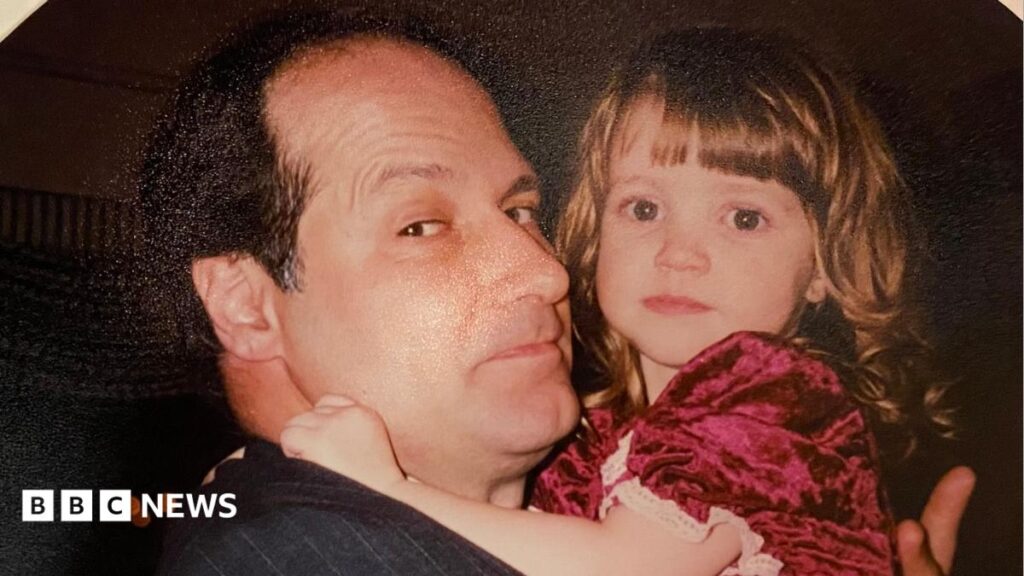
A decade of unanswered questions
When the towers fell on September 11, 2001, the immediate focus was on rescue, recovery and the sheer scale of loss. Yet, beyond the visible wreckage, a hidden crisis began: the identification of fragmented human remains. Even after two decades, more than 1,000 victims remain officially unaccounted for, according to the Office of the Chief Medical Examiner in New York.
Families of the missing have endured a prolonged limbo, receiving occasional updates that range from hopeful to disheartening. The phrase “We never recovered him,” heard in countless interviews, captures the lingering pain that official reports have struggled to resolve. For many, the lack of a name on a death certificate means delayed benefits, unresolved legal matters, and an emotional wound that never fully heals.
The technology leap: DNA, genealogy and AI
In the last five years, New York officials have turned to a suite of cutting‑edge tools that were unimaginable in 2001. High‑throughput DNA sequencing now extracts usable genetic material from bone fragments that were once considered too degraded for analysis. The process is bolstered by forensic genealogy databases, where distant relatives can be matched to a fragment’s DNA profile, a technique popularised after the Golden State Killer case.
Artificial‑intelligence platforms further accelerate the work. By comparing fragmented skeletal structures to a massive digital library of CT scans, AI can suggest probable age, sex and ancestry within minutes. This speeds up the triage process, allowing technicians to focus on the most promising samples. According to a recent statement from the New York City Office of the Chief Medical Examiner, the combined approach has increased identification rates by roughly 30 percent since 2022.
The new workflow is not without controversy. Privacy advocates argue that expanding forensic genealogy could blur the line between criminal investigation and civil identification. Nevertheless, the city has secured a court‑approved waiver that limits database use strictly to the 9/11 victim pool.
Why identification still matters
Beyond the personal closure for families, official identification carries tangible legal and financial consequences. The September 11 Victim Compensation Fund, re‑opened in 2022, requires a death certificate before disbursing benefits. Unidentified victims miss out on pensions, health coverage for surviving dependents, and burial assistance, perpetuating economic hardship for already vulnerable households.
Historical accountability is another dimension. Accurate records shape the narrative of the attacks, influence memorial design, and guide future emergency‑response policies. Scholars argue that a complete accounting of the dead helps societies confront trauma more honestly, reducing the risk of collective amnesia that can fuel conspiracy theories.
Finally, the scientific advances forged in this effort ripple outward. Techniques refined at Ground Zero are now being exported to other mass‑disaster sites, from the 2023 Turkey‑Syria earthquake to the 2024 floods in Bangladesh, enhancing global capacity to bring families closure after catastrophe.
African and diaspora links to the identification effort
While the majority of 9/11 victims were U.S. citizens, a notable minority hailed from African nations or were of African descent. Families in Nigeria, Kenya and South Africa have been tracking the identification process through diaspora networks, often relying on community translators to parse official updates. For those families, each new name released is a beacon of hope that cuts across continents.
The forensic tools now deployed in New York echo methods used in African post‑conflict contexts. In Rwanda, DNA‑based identification helped locate missing persons after the 1994 genocide, while in Sudan, forensic teams used similar genealogy platforms to document victims of the Darfur atrocities. Experts say the cross‑pollination of technology fosters capacity‑building: African forensic labs are receiving training kits modelled on the Ground Zero workflow, a partnership facilitated by the International Committee of the Red Cross in 2025.
Moreover, African artists and storytellers are weaving the identification saga into their work. A Lagos‑based multimedia collective released a virtual exhibition in July 2026 that overlays AI‑generated facial reconstructions of unidentified victims with oral histories from African families affected by 9/11. The project underscores how the quest for names resonates far beyond Manhattan, feeding a trans‑Atlantic dialogue on loss, memory and justice.
What lies ahead: timelines, funding and policy
City officials project that, with current resources, the remaining pool of unidentified victims could be reduced by another 40 percent by the end of 2027. The projection hinges on a $45 million federal grant secured in March 2026, earmarked for expanding the DNA lab’s capacity and for hiring additional genealogists.
Legislators are also debating a “Victim Identification Transparency Act” that would require quarterly public dashboards showing case counts, identification stages and the proportion of families who have received official confirmation. Proponents argue that transparency restores trust, while critics warn it could expose sensitive data to malicious actors.
In the longer view, the Ground Zero effort may set a precedent for how nations handle mass‑fatality events. As climate change drives more extreme disasters, the demand for rapid, accurate victim identification will rise. The lessons learned—from community engagement to ethical data handling—could shape international standards, ensuring that future tragedies are met with both scientific rigor and compassionate outreach.
Quick Answers
How many 9/11 victims are still unidentified?
As of September 2026, more than 1,000 victims remain officially unidentified, according to New York City’s Office of the Chief Medical Examiner.
What new technology is being used to identify remains from Ground Zero?
Investigators now use high‑throughput DNA sequencing, forensic genealogy databases, and AI‑driven skeletal analysis to match fragmented remains to living relatives.
Why does identifying victims matter for families and the law?
Identification unlocks survivor benefits, provides legal closure for estates, and ensures accurate historical records, all of which are crucial for families' financial and emotional wellbeing.
Source: www.bbc.co.uk




💬 Comments 0