Guinea-Bissau referendum 2026: vote count starts on strengthening presidency after 2025 coup
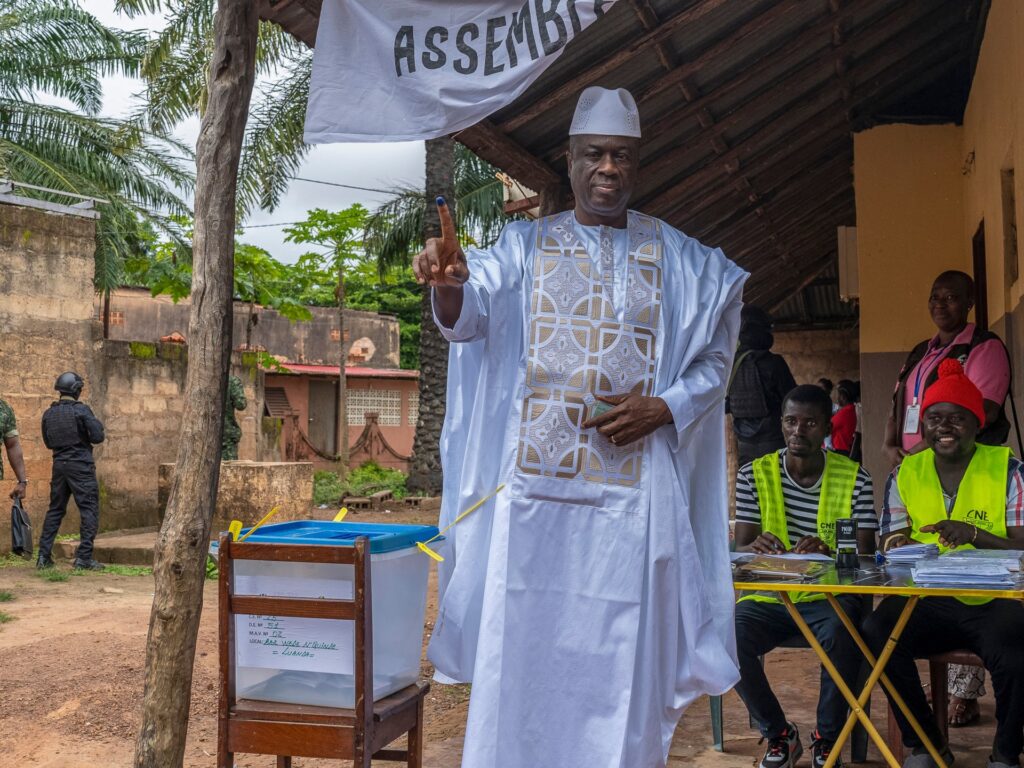
Background: A decade of turbulence and the 2025 coup
Since gaining independence in 1973, Guinea‑Bissau has struggled with chronic political instability, marked by a series of coups, assassinations and fragile coalitions. The most recent upheaval came in October 2025 when senior army officers seized power, ousting President Umaro Sissoco Cáceres after only a year in office. The coup was justified by the military as a response to alleged corruption and a dysfunctional parliament that could not pass a budget for months.
International actors, notably ECOWAS and the African Union, quickly imposed sanctions and demanded a swift return to civilian rule. After weeks of negotiations, the junta agreed to a transitional charter that promised elections within 18 months, but the timeline was repeatedly extended as security forces grappled with armed groups in the south and a struggling economy.
The ten‑month interval between the coup and the upcoming referendum has been used by the military leadership to consolidate control over key ministries, especially defence and interior. In a televised address in July, the head of the Transitional Military Council, General Antonio Indjai, claimed the referendum would “stabilise future civilian governments” by redefining the balance of power between the president and parliament.
The referendum's proposed changes to presidential powers
Voters are asked to approve a constitutional amendment that would grant the president the authority to dissolve parliament after a single vote of no‑confidence, a power currently reserved for a two‑thirds parliamentary majority. The draft also proposes a longer presidential term—from five to seven years—without the possibility of immediate re‑election, ostensibly to reduce political churn.
Another contentious clause would allow the president to appoint the prime minister without parliamentary approval, although the nominee would still need to be confirmed by a simple majority in the National People's Assembly. Proponents argue this streamlines governance, while critics warn it could concentrate power in the hands of a single individual and marginalise opposition parties.
The amendment also includes a provision for a “national security council” chaired by the president and composed of senior military officers. This body would have advisory authority over foreign policy and internal security matters, a feature that analysts say mirrors similar structures in other post‑coup states such as Mali and Burkina Faso.
Why the vote matters for Guinea‑Bissau’s democratic trajectory
If approved, the changes would fundamentally reshape the country’s semi‑presidential system, moving it closer to a strong‑president model. Such a shift could entrench the military’s influence, as the president is likely to be a figure with close ties to the armed forces, especially given the current lack of a clear civilian successor.
Conversely, a rejection would signal public fatigue with military‑backed reforms and could force the Transitional Council to negotiate a more inclusive constitutional package. International donors, including the European Union and the World Bank, have tied future aid disbursements to demonstrable progress on democratic governance, making the referendum a litmus test for external financing.
The outcome also carries symbolic weight. Guinea‑Bissau has long been a gateway for West African migrants heading to Europe; a stable political environment could improve border management and reduce the flow of irregular migrants, a priority for both the EU and regional bodies.
Regional and diaspora reactions to the referendum
ECOWAS issued a cautious statement on the eve of voting, saying it “monitors the process closely and expects transparency, but will respect the will of the Guinean‑Bissauan people.” The bloc’s chairperson, Nigerian President Bola Tinubu, warned that any constitutional change that undermines democratic checks could trigger a review of Guinea‑Bissau’s membership privileges, including trade concessions.
The Lusophone African community, particularly Angola and Mozambique, expressed concern that the amendment could set a precedent for other Portuguese‑speaking nations grappling with military influence. The Community of Portuguese‑Speaking Countries (CPLP) scheduled a special summit in Lisbon to discuss the implications for shared democratic norms.
For the sizeable Bissau‑Guinean diaspora in Portugal, the United Kingdom and the United States, the referendum is more than a political exercise—it affects remittance flows and the ability to obtain consular services. Diaspora organisations have launched voter‑education campaigns, urging expatriates to register their votes at nearby embassies, a move that could tilt the balance in closely contested districts.
What comes after the count: scenarios and next steps
The official count is slated to begin on September 2 and should be completed within 48 hours, according to the National Electoral Commission. If the amendment passes, the next step will be drafting implementing legislation, a process that the military says will be overseen by a “technical committee” of civilian lawyers and senior officers.
Opposition leaders, such as former prime minister Carlos Gomes Júnior, have warned that a rushed implementation could spark protests, especially in the Bafatá region where anti‑military sentiment remains strong. Human Rights Watch has called for independent observers to be allowed into polling stations, a request that the Transitional Council has yet to confirm.
Regardless of the outcome, the referendum will shape Guinea‑Bissau’s relationship with international partners. A “yes” vote could unlock a tranche of €150 million in EU development aid earmarked for infrastructure, while a “no” could lead to a suspension of the International Monetary Fund’s program, compounding the country’s fiscal challenges.
Quick Answers
When does the vote count start for the Guinea‑Bissau presidency referendum?
The count begins on September 2, 2026, and is expected to be completed within 48 hours.
What constitutional changes are being proposed in the referendum?
The amendment would give the president power to dissolve parliament after one no‑confidence vote, extend the presidential term to seven years, allow unilateral appointment of the prime minister, and create a national security council chaired by the president.
How could the referendum affect Guinea‑Bissau’s ties with ECOWAS?
ECOWAS has warned that any shift toward a strong‑president system that weakens democratic checks could lead to a review of the country’s membership privileges, including trade and aid benefits.
Source: www.aljazeera.com


💬 Comments 0