Haitian gangs release 13 captives after Kenscoff mass kidnapping – 2026 gang surge sparks diaspora concerns
Background: Haiti’s gang surge and the UN mission exit
Since the United Nations peacekeeping mission MINUSTAH ended in 2023, Haiti has seen a dramatic rise in gang‑controlled territories. The withdrawal left a security vacuum that the already overstretched Haitian National Police could not fill, allowing armed groups to expand their influence over neighborhoods, ports and even rural communes.
The escalation accelerated after the 2024 presidential election, when rival factions turned to violence to sway political outcomes. International donors warned that the loss of a multilateral security umbrella would deepen humanitarian crises, but funding cuts and political fatigue limited the response, setting the stage for the tragedy in Kenscoff.
The Kenscoff kidnapping and its immediate fallout
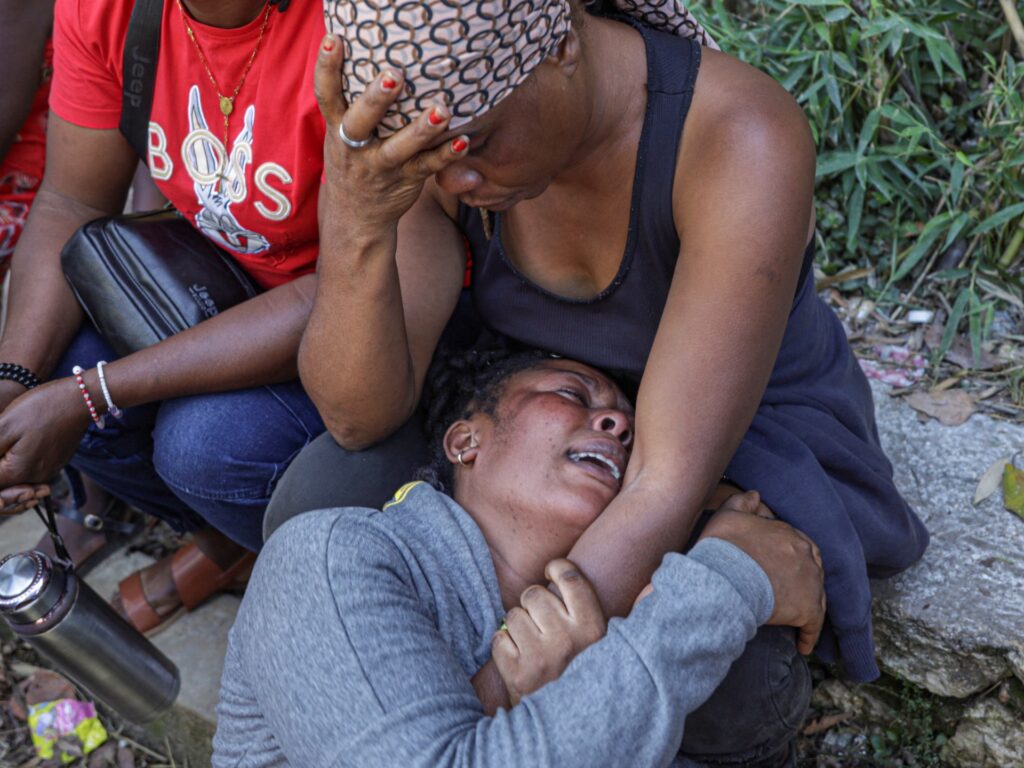
On the night of 21 July 2026, a coalition of three gangs stormed a market in the hill‑top town of Kenscoff, just 15 km from Port‑au‑Prince. The assault left at least 47 civilians dead and more than 50 people abducted, according to local officials. Survivors described the attackers moving in coordinated waves, using machetes and firearms to intimidate anyone who tried to flee.
Within 48 hours, the gangs announced they had released 13 of the hostages, a move they framed as “a humanitarian gesture” to improve their public image. The remaining captives, however, remain unaccounted for, and families continue to receive ransom demands that exceed US$10,000 per person.
What the release of 13 captives reveals about gang tactics
The selective release is not an act of mercy; it is a calculated bargaining chip. By freeing a small number of victims, gang leaders signal that they can control life‑and‑death decisions while still extracting money and political leverage from the state. Analysts note that such tactics echo the “partial‑release” strategies used by criminal outfits in parts of West Africa, where limited concessions are used to test the resolve of authorities.
Moreover, the publicized release serves a propaganda purpose. Videos posted on social media show the freed individuals walking away, while the gangs’ own channels boast of “protecting the community.” This dual narrative aims to recruit new members and deter rival groups from challenging their dominance.
Ripple effects on the Haitian diaspora and African connections
Remittances from the Haitian diaspora account for roughly 30 % of Haiti’s GDP, according to the World Bank. The surge in kidnappings has prompted diaspora organisations in New York, Montreal and Paris to issue travel warnings, which in turn depresses the flow of cash that families rely on for food and medicine. Some diaspora groups have begun lobbying their host governments for a rapid humanitarian corridor, a request that mirrors similar appeals made by African diaspora organisations during crises in the Sahel.
A smaller, yet growing, Haitian community in Ghana – largely composed of students and health‑care workers – has voiced concern over the security spill‑over. While there is no direct migration link to Africa yet, the crisis could push more Haitians to seek refuge in countries with existing Caribbean ties, including African nations that host Caribbean diaspora networks such as Senegal and Côte d’Ivoire.
Regional and international implications: aid, security, migration
The kidnapping episode has forced aid agencies to reassess their operational models. The United Nations Office for the Coordination of Humanitarian Affairs (OCHA) reported that 12 % of its field staff have been temporarily withdrawn from the Kenscoff area, citing safety concerns. This contraction threatens to delay the distribution of food vouchers that were slated for 150,000 vulnerable households.
From a security perspective, the event reignites debate over whether African peacekeeping expertise could be repurposed for Haiti. Countries such as Nigeria and Kenya have successfully led UN missions in the Democratic Republic of Congo and South Sudan; their experience in community‑based disarmament could inform a new, limited‑mandate intervention, should the Haitian government request it.
What comes next: prospects for peace and the role of African expertise
In the short term, the Haitian government has pledged to intensify negotiations with the gangs, a strategy that many observers consider risky. International partners, including the United States and the European Union, have signalled readiness to provide targeted security assistance, but they remain wary of repeating past mistakes that left a power vacuum.
Long‑term stability may depend on a hybrid approach that blends Haitian community policing with lessons from African conflict‑resolution frameworks. Programs that emphasize local dialogue, such as Kenya’s “Wajibu” community peace clubs, could be adapted to Haitian neighborhoods to undercut gang recruitment. If African NGOs and peacekeeping veterans can translate those models to Port‑au‑Prince, the release of the 13 captives could become a turning point rather than a tragic footnote.
Quick Answers
How many people were kidnapped in the Kenscoff attack?
More than 50 civilians were abducted during the July 2026 gang raid in Kenscoff.
Why did Haitian gangs release only 13 captives?
The limited release is a strategic move to gain goodwill while still demanding ransoms and asserting control.
What impact does the kidnapping have on Haitian diaspora remittances?
Travel warnings and heightened insecurity have slowed remittance flows, threatening the livelihood of families that depend on overseas money.
Source: www.aljazeera.com




💬 Comments 0