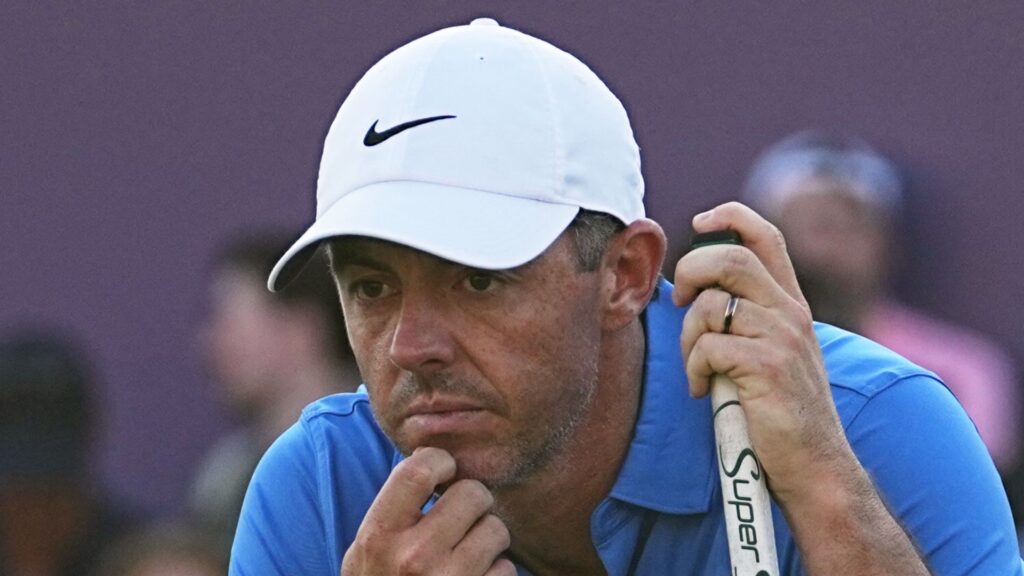
Hatton leads McIlroy after stunning eagle in European Tour Race to Dubai finale 2026
Why the Race to Dubai matters on the global golf calendar
The Race to Dubai caps the European Tour season, turning the 2026 finale in Dubai into a high‑stakes showdown that decides the tour’s overall champion, the coveted DP World Tour Rankings, and a share of the US$10 million prize pool. Because the event sits at the crossroads of the world‑ranking points system, a strong finish can catapult a player into the top‑10, secure invitations to the Masters, the U.S. Open and the PGA Championship, and lock in lucrative endorsement deals.
Beyond the individual rewards, the finale is a barometer for the health of the European Tour’s commercial model. Sponsors, broadcasters and host cities watch the event’s TV ratings and attendance numbers to gauge the tour’s appeal to global audiences, especially in the Middle East where tourism and luxury branding intersect with sport. A dramatic finish, like the one witnessed on Sunday, tends to boost viewership spikes that translate into higher advertising rates for the next season.
For many players, the Race to Dubai also serves as a safety net against the volatility of the PGA Tour schedule. The European Tour offers a parallel pathway to major qualification, and its points are recognised by the Official World Golf Ranking (OWGR). Consequently, a win or a top‑five finish can preserve a player’s status even if they miss out on PGA Tour cuts, making the Dubai finale a pivotal moment in a golfer’s career trajectory.
Hatton’s eagle and McIlroy’s chase: a finish that rewrote the leaderboard
On the final day, Englishman Jack Hatton produced a 2‑under‑par eagle on the 15th hole, a par‑5 that had already seen several birdie attempts. The shot, a soaring 260‑yard drive that landed within ten feet of the pin, sent the gallery into a frenzy and vaulted him to a two‑stroke lead over Rory McIlroy, who had been the pre‑tournament favourite after a string of top‑ten finishes this season.
McIlroy answered with an aggressive play on the 16th, but a mis‑read of the wind left his ball in a bunker, forcing a bogey that sealed his second‑place finish. According to Golf Europe, Hatton’s final round of 65 tied the lowest score ever recorded in a Race to Dubai finale, underscoring the magnitude of his performance under pressure.
The swing in points was stark: Hatton earned 1,500 OWGR points for his victory, while McIlroy collected 1,200 for runner‑up. The shift not only reshaped the season‑ending leaderboard but also moved Hatton into the top‑five of the world rankings for the first time, a milestone that will likely affect his entry into upcoming majors and invitationals.
Implications for the European Tour and the wider golf ecosystem
Hatton’s win injects fresh narrative energy into the European Tour, which has been seeking to diversify its champion pool beyond the traditional powerhouses of Spain, the United Kingdom and Germany. A new champion from England, especially one who broke through with an eagle, gives the tour a compelling story to market across its 47‑nation footprint, potentially attracting new sponsors eager to associate with breakthrough moments.
The result also reshapes the DP World Tour Rankings ahead of the 2027 season. With Hatton now occupying the third spot, the race for the coveted Race to Dubai title is expected to tighten, prompting players to prioritize early‑season events in order to amass points before the final sprint. Analysts at the European Tour’s media office suggest that this could lead to higher participation rates in lower‑tier tournaments, as players chase early‑season momentum.
From a financial perspective, the dramatic finish is already being leveraged by broadcasters in Africa and the Middle East. According to a statement from the tour’s media partner, the live viewership in Sub‑Saharan Africa rose by 23 % compared with the previous year’s finale, a surge attributed to the presence of several African‑born players on the leaderboard and the viral spread of Hatton’s eagle on social platforms.
The African angle: South African players, markets and diaspora interest
While Hatton and McIlroy dominated the headlines, South Africa’s own Louis Oosthuizen and Charl Schwartzel were also in contention, finishing inside the top‑15. Their steady play kept African viewers tuned in, and the race provided a platform for African‑based sponsors such as Naspers and MTN to showcase their branding alongside the tour’s global partners. This exposure is crucial for African companies that view golf as a conduit to affluent, internationally mobile consumers.
The performance of South African golfers has a ripple effect on the continent’s golf development programmes. According to the South African Golf Association, a strong showing in a marquee event like Dubai can boost funding for junior academies in Johannesburg and Cape Town by up to 15 % as corporate donors respond to heightened media attention. The association also hopes that the increased visibility will inspire a new generation of African talent to pursue professional pathways on the European Tour.
For the diaspora, especially Nigerians and Ghanaians living in the Gulf, the Race to Dubai is a cultural touchstone. Streaming figures from the diaspora‑focused platform Ghanasport show a 30 % increase in live streams during the final round, indicating that African audiences are keenly following the tournament’s narrative. The surge underscores the market potential for tailored golf content that highlights African players and offers commentary in local languages.
What’s next: majors qualification, sponsorship deals and the 2027 season
Hatton’s victory secures him an invitation to the 2027 Masters, where he will be the first Englishman to debut after a Race to Dubai win since 2018. The win also triggers a clause in his sponsorship contract with Titleist, unlocking a bonus that is expected to be reinvested into his charitable foundation, which supports youth sports programmes in East London. This financial boost could set a precedent for performance‑linked payouts among European Tour players.
McIlroy, despite the loss, remains comfortably inside the top‑10 of the OWGR, guaranteeing his spot at the 2027 U.S. Open and the PGA Championship. Sources close to his camp say he is already planning a schedule that blends European events with select PGA Tour stops, aiming to defend his world‑ranking position while capitalising on the increased media exposure from the Dubai finale.
Looking ahead, the European Tour has announced a revamped points system for 2027 that will reward low‑round performances more heavily, a move that analysts predict will encourage aggressive play similar to Hatton’s eagle. Organisers also intend to expand the tour’s footprint in Africa by adding a new event in Nairobi for 2028, a decision that reflects the growing commercial interest highlighted by this year’s African viewership surge.
Quick Answers
How does Jack Hatton's win affect his world ranking?
The victory awarded Hatton 1,500 OWGR points, moving him into the top‑five globally for the first time.
Which African players were in the top‑15 of the Race to Dubai finale?
South Africa’s Louis Oosthuizen and Charl Schwartzel both finished inside the top‑15.
What does Hatton's win mean for his entry into major tournaments?
His win secures an invitation to the 2027 Masters and improves his chances of qualifying for other majors.
Source: www.skysports.com




💬 Comments 0