Hawaii Prepares for Hurricane Lala: First Direct Hit in 34 Years Threatens Rainfall, Tourism and Climate Policy
A rare hurricane threat for the islands
Hawaii’s modern weather record shows that a tropical cyclone making landfall on the archipelago is a statistical outlier. The last direct hit by a hurricane was in 1992, when Hurricane Iniki devastated Kauai. Since then, most storms have skirted the islands or weakened into tropical storms before reaching shore. This week, the National Hurricane Center upgraded a system forming east of the International Date Line to Category 1 and named it Lala, sparking the first serious warning of a direct impact in more than three decades. The storm’s projected path threads the Big Island’s southeast coast, a region that has rarely faced such sustained winds and heavy rain in living memory.
Meteorologists point to unusually warm sea‑surface temperatures in the central Pacific as a key factor behind Lala’s rapid intensification. The Pacific Ocean is currently about 0.6 °C above its long‑term average, a shift that fuels the energy engine of tropical cyclones. While a Category 1 hurricane may seem modest compared with the destructive power of Category 4 or 5 storms, the combination of high wind speeds, storm surge, and the potential for up to 25 inches (63 cm) of rain on the Big Island could overwhelm drainage systems that have not been designed for such extremes.
What the forecasts say – rain, flood and disruption
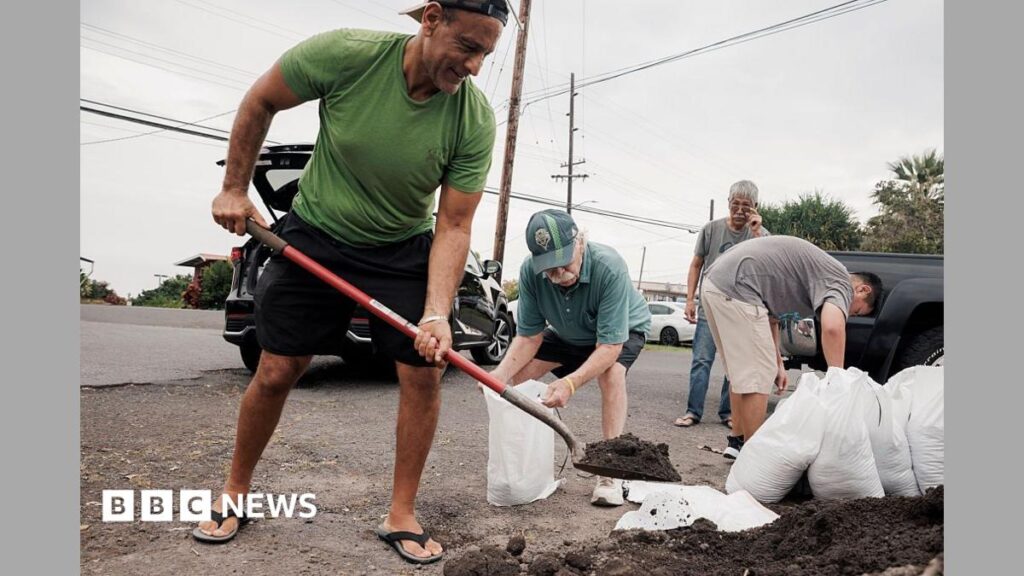
The latest model runs from the University of Hawaii’s Coupled Ocean‑Atmosphere Mesoscale Prediction System (COAMPS) indicate that Lala could dump as much as 25 inches of rain over a 24‑hour period on the island’s eastern slopes. That amount rivals the historic precipitation totals from the 2018 Kona floods, which caused several road closures and forced evacuations of low‑lying communities. Local officials have already declared a state of emergency, pre‑positioned sandbags, and urged residents in flood‑prone valleys to prepare for possible mandatory evacuations.
Beyond the immediate threat of water, the storm’s wind field is expected to generate a storm surge of 3‑5 feet along the Kona coast. The surge, combined with heavy rain, could inundate popular tourist beaches such as Hapuna and Mauna Kea Beach, disrupting the peak summer season that brings in roughly $1.2 billion in tourism revenue each year. Airports on the Big Island and Maui are on standby for possible flight cancellations, and the Hawaii Electric Light (HELCO) grid is reviewing contingency plans to protect critical infrastructure from wind‑related outages.
Why Lala matters beyond the weather report
Hawaii’s vulnerability to a direct hurricane strike shines a spotlight on a broader climate‑risk narrative for U.S. territories. The Pacific islands have long been cited as early warning zones for climate change, yet federal disaster funding and building codes have lagged behind the escalating risk profile. A direct hit by Lala would likely trigger a surge in insurance claims, testing the capacity of the National Flood Insurance Program, which already faces solvency concerns after successive disasters on the mainland.
Economically, the storm could ripple through supply chains that connect the islands to Asian markets. The Port of Hilo processes roughly $400 million in cargo annually, and any interruption could delay shipments of perishable goods such as Kona coffee and macadamia nuts. Those delays affect not only local growers but also exporters in the continental United States and Asian buyers who depend on a steady flow of Hawaiian products.
African diaspora and business angles that often go unnoticed
While most coverage focuses on the mainland U.S., the African diaspora in Hawaii represents a small but vibrant community that will feel the storm’s impact. According to the 2020 U.S. Census, about 2,400 residents of African descent live on the islands, many of whom work in hospitality, tourism, and the burgeoning tech scene centered around Honolulu’s innovation hub. A shutdown of hotels and restaurants would disproportionately affect African‑American entrepreneurs who own boutique lodgings, food trucks, and cultural tour companies that cater to niche markets.
Moreover, Hawaii is a key stop for African tourists traveling the Pacific on cruise itineraries. In 2024, African‑origin travelers accounted for roughly 3 % of cruise passengers visiting Honolulu, a figure that has been growing as airlines open more direct routes from Johannesburg and Lagos. A storm‑induced cancellation of cruise dockings could dent that upward trend, reducing future tourism dollars that support African‑owned travel agencies and cultural exchange programs.
Preparing for Lala and the policy lessons ahead
State officials have activated the Hawaii Emergency Management Agency’s (HEMA) Incident Command System, coordinating with the Federal Emergency Management Agency (FEMA) to pre‑stage relief supplies in the towns of Hilo, Kona and Waimea. Community groups are conducting “hurricane readiness” workshops that teach residents how to reinforce windows, create emergency kits, and use local radio alerts. The emphasis on community‑driven preparedness reflects lessons learned from the 2018 floods, where neighborhoods that organized early evacuations suffered fewer casualties.
Looking forward, Lala may catalyze a push for stricter building standards on the islands, especially for structures near floodplains. Environmental NGOs such as the Pacific Climate Warriors have already called for a review of the state’s coastal development permits, arguing that the current zoning rules ignore the increasing frequency of extreme weather events. If Lala’s impact is severe, it could become a case study that drives federal legislation to allocate more resilient funding to U.S. territories, a policy shift that would benefit not only Hawaii but also Guam, Puerto Rico and the U.S. Virgin Islands.
Quick Answers
When is Hurricane Lala expected to hit Hawaii?
Forecasters project that Lala could make landfall on the Big Island’s southeast coast between August 18 and August 20, 2026.
How much rain could Lala bring to the islands?
Models show the storm could dump up to 25 inches (63 cm) of rain in a 24‑hour period, especially on the eastern slopes of the Big Island.
What should residents do to prepare for the storm?
Authorities advise securing loose objects, stocking emergency supplies, staying informed via local radio, and following evacuation orders if issued.
Source: www.bbc.co.uk




💬 Comments 0