Hebron lockdown hits sixth day as Israeli raids intensify; UN warns of 2025 “Iron Wall” echoes
Background: Hebron under siege
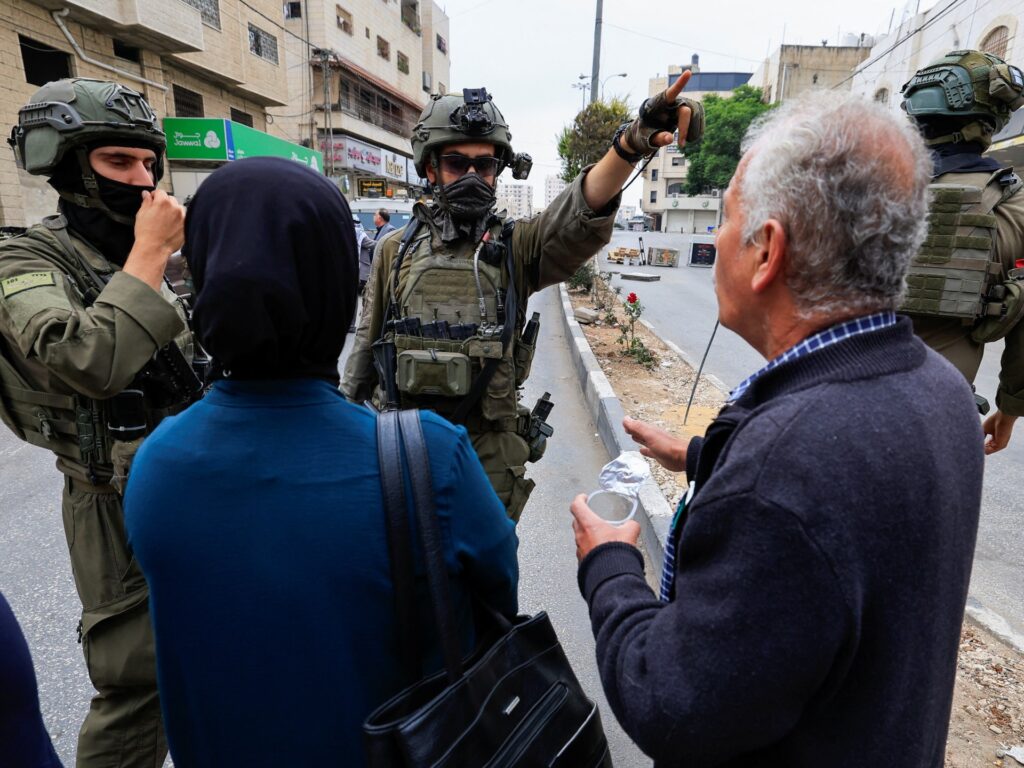
Since the start of the week, Israeli security forces have imposed a sweeping lockdown on the city of Hebron, one of the West Bank’s most volatile flashpoints. Checkpoints have been multiplied, curfews enforced, and dozens of homes and businesses sealed off as part of what the military describes as a "preventive" operation aimed at dismantling alleged militant cells. The current round of raids marks the sixth consecutive day of restricted movement for roughly 200,000 residents, many of whom already endure a fragmented municipal system split between Israeli and Palestinian authority.
Hebron’s significance goes beyond its historic Old City; it hosts a mixed population of Palestinians and a small enclave of Israeli settlers. Tensions flare regularly, and the city has been a barometer for wider Israeli‑Palestinian relations. The latest crackdown follows a series of stabbing attacks in nearby towns, prompting the Israeli Defence Forces (IDF) to adopt a more aggressive posture that mirrors the controversial 2025 "Iron Wall" campaign, which saw large‑scale demolitions and a near‑complete shutdown of the northern West Bank.
What’s happening on the ground
Over the past 48 hours, IDF units have entered Hebron’s al‑Safa and al‑Jabalia neighborhoods, conducting house‑to‑house searches and detaining dozens of men suspected of affiliation with militant groups. Human Rights Watch reported that at least three minors were detained without parental presence, a practice that violates international child‑rights standards. Simultaneously, Israeli settler groups have staged nightly vigils outside the city’s main market, heightening the atmosphere of intimidation for local merchants.
The United Nations Office for the Coordination of Humanitarian Affairs (OCHA) issued a statement expressing "grave concern" over the scale of the operation, noting that the curfew restricts access to essential services such as hospitals, schools, and water points. According to OCHA data, the number of patients reaching Hebron’s Al‑Jala Hospital has dropped by 40 % since the lockdown began, forcing many to travel to distant facilities in Bethlehem or Ramallah.
Why the UN’s warning matters
The reference to the 2025 "Iron Wall" operation is not a casual analogy. That campaign, led by the same senior IDF commander now overseeing Hebron, involved the demolition of over 2,000 structures and a prolonged siege that drew condemnation from the European Union and the African Union alike. By invoking that precedent, the UN agency signals that the current measures could breach the same thresholds of collective punishment outlined in the Fourth Geneva Convention.
For African states, the warning carries diplomatic weight. South Africa, a vocal supporter of Palestinian self‑determination at the United Nations, has already announced plans to table a resolution in the General Assembly urging an immediate cessation of the lockdown. The African Union’s Peace and Security Council, meeting in Addis Ababa next week, is expected to include the Hebron situation on its agenda, potentially reshaping the bloc’s approach to the Israeli‑Palestinian conflict.
African‑Palestinian ties and diaspora reactions
Hebron is home to a small but historic community of African‑origin Palestinians, descendants of Sudanese soldiers who settled in the city during the Ottoman era. Their families have long faced discrimination, and the current lockdown has amplified their vulnerability. Local NGOs, such as the Hebron African Heritage Association, reported that several members of this community have been barred from receiving humanitarian aid due to ambiguous residency documentation.
Across the diaspora, African activists are mobilising online and on the streets. In Lagos, a coalition of student groups organized a sit‑in outside the Nigerian embassy in Washington, demanding that the Nigerian government leverage its diplomatic channels to press for an end to the curfew. Similar protests erupted in Johannesburg and Nairobi, where diaspora media outlets like Afro‑Pulse and The Africa Report have run special coverage, highlighting how the conflict reverberates in African cities far from the Holy Land.
Implications for the region and what may come next
The Hebron lockdown threatens to destabilise an already fragile security environment in the West Bank. Analysts at the Middle East Institute warn that prolonged restrictions could fuel a new wave of protests, potentially spilling over into neighboring towns such as Nablus and Jenin. If unrest spreads, Israel may be compelled to expand its operations, risking a broader escalation that could draw in regional actors like Iran and Hezbollah.
On the diplomatic front, the coming weeks will test the resolve of African diplomatic missions in Jerusalem and Tel Aviv. Should the African Union adopt a unified stance, it could pressure Israel to reconsider its tactics, especially if economic levers—such as the suspension of Israeli‑African trade agreements—are threatened. For Palestinian businesses that export textiles to African markets, the lockdown already means delayed shipments and lost revenue, a micro‑economic shock that could echo throughout supply chains in East Africa.
Quick Answers
How long has the Hebron lockdown been in place?
The lockdown entered its sixth day on October 28, 2026, after Israeli forces began the operation earlier in the week.
What did the UN agency say about the Hebron raids?
The UN Office for the Coordination of Humanitarian Affairs warned that the raids echo the 2025 "Iron Wall" operation and raised concerns about violations of international humanitarian law.
Why are African countries paying attention to the Hebron situation?
African nations, led by South Africa and the African Union, see the crackdown as a breach of human‑rights norms and are preparing diplomatic actions to pressure Israel and protect African‑origin Palestinians.
Source: www.aljazeera.com



💬 Comments 0