Hello Kitty maker Sanrio cuts ties with Japanese spy drama Vivant after China backlash, 2026
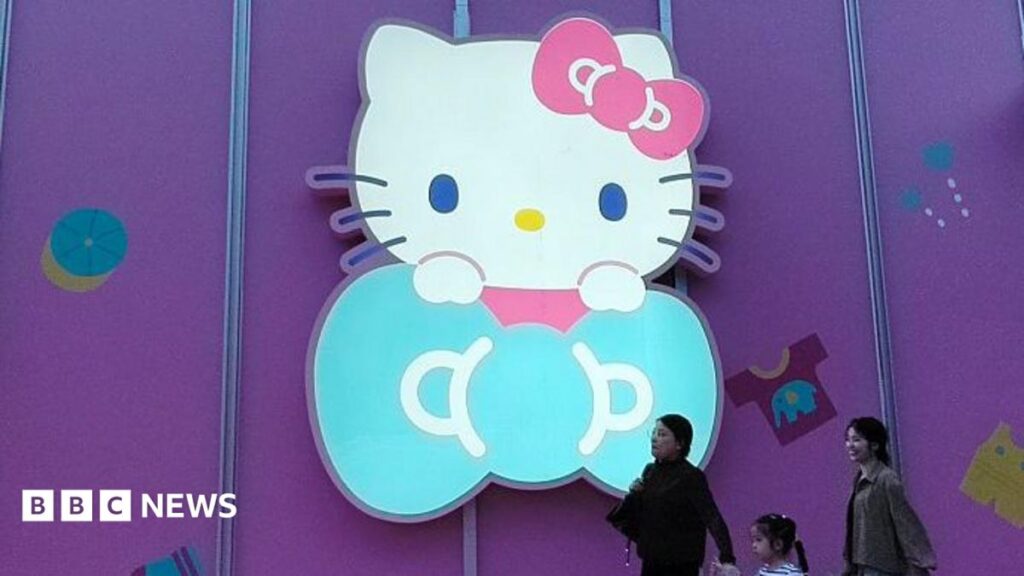
Background: Sanrio’s strategy of pop‑culture collaborations
Founded in 1960, Sanrio has built a global empire around the Hello Kitty mascot, expanding far beyond stationery to fashion, food, and entertainment tie‑ins. In recent years the company has pursued high‑profile collaborations with TV series, music acts and gaming franchises to keep the brand fresh for younger audiences.
These partnerships are usually low‑risk, because Sanrio retains control over product design and limits the scope of licensing. The revenue model relies on a modest royalty from each item sold, while the partner gains instant brand recognition. This formula has worked in markets from the United States to Europe, and increasingly in Asia where Hello Kitty is a cultural staple.
However, the rise of China as the world’s largest consumer of licensed merchandise has added a new variable. Companies now must navigate Chinese censorship rules and a political climate where any perceived slight to national pride can trigger a consumer boycott, forcing brands to weigh short‑term gains against long‑term reputational risk.
The Vivant partnership and the spark of controversy
In early 2026 Sanrio announced a limited‑edition line of Hello Kitty accessories featuring artwork from the Japanese spy drama "Vivant," a series that had quickly become a hit on streaming platforms. The collaboration was promoted with a series of social‑media posts that highlighted the show’s sleek aesthetic and the iconic feline’s “secret‑agent” look.
Chinese netizens reacted negatively when they noticed that the drama’s plot includes a subplot about a covert operation against a fictional Asian country, which some interpreted as a thinly veiled reference to China. Posts on Chinese micro‑blogging sites accused the series – and by extension Sanrio – of promoting anti‑China sentiment. The backlash escalated into calls for a boycott of the Hello Kitty items linked to Vivant.
Facing mounting pressure, Sanrio issued a public apology on its Japanese website, stating that it had “deeply regretted any misunderstanding” and that it would immediately discontinue the Vivant‑themed merchandise. The company also confirmed that it was terminating the licensing agreement with the drama’s producers.
Why the China backlash matters for global brands
China’s consumer market now accounts for roughly 30% of worldwide sales of licensed character merchandise, according to a 2025 Euromonitor report. A single controversy can therefore translate into millions of lost units, disrupted supply chains and a tarnished brand image that spreads beyond the Chinese internet.
Brands that ignore Chinese sensitivities risk being blacklisted by local e‑commerce platforms such as Taobao and JD.com, which can instantly cut off the most lucrative sales channel. In the past year, at least four Western entertainment franchises have seen their merchandise pulled from Chinese shelves after political disputes, a trend that analysts say signals a new era of “soft‑power policing” of commercial partners.
For Sanrio, the decision to pull the Vivant line was not just a reaction to a social‑media storm but a pre‑emptive move to safeguard its broader product ecosystem. The company’s annual report, released in August 2026, warned that “geopolitical risk remains a material factor in our licensing strategy,” hinting that future collaborations will undergo stricter cultural vetting.
Ripple effects on African markets and the diaspora
African retailers have increasingly turned to Chinese‑based manufacturers for affordable Hello Kitty merchandise, benefiting from lower production costs and fast turnaround times. The sudden removal of a product line in China can therefore affect stock levels in Nairobi, Lagos and Johannesburg, where importers rely on steady supply chains.
Moreover, the drama "Vivant" had a modest but growing fan base among African diaspora viewers on streaming services. The controversy sparked conversations on diaspora forums about the limits of Japanese pop culture when it collides with Chinese political sensitivities, highlighting how media geopolitics can shape cultural consumption far beyond East Asia.
Industry insiders in Kenya’s toy import sector say that the incident has prompted them to request more detailed content reviews from licensors. “We can no longer assume that a Japanese drama is politically neutral,” one importer told a local business news outlet, noting that any perceived anti‑China element could jeopardise their ability to ship goods through Chinese ports, which remain the cheapest route for most African markets.
What’s next for Sanrio and similar licensing deals
Sanrio has indicated that it will establish an internal “cultural‑risk review board” to screen future collaborations, a step that mirrors actions taken by other licensors such as Disney and Warner Bros. The board will reportedly include legal experts familiar with Chinese regulations as well as regional market analysts.
Analysts predict that we will see a shift toward “region‑specific” versions of collaborations, where a product line is customized for each major market to avoid politically sensitive imagery. This could mean separate designs for China, Southeast Asia, and Africa, increasing production complexity but preserving revenue streams.
For creators and fans, the episode serves as a reminder that pop‑culture partnerships are no longer purely artistic endeavors; they are also diplomatic negotiations. As global audiences become more interconnected, the stakes of a single storyline or visual cue can ripple across continents, influencing everything from shelf space in Accra’s malls to streaming recommendations for Nigerians abroad.
Quick Answers
Why did Sanrio end its partnership with the Japanese drama Vivant?
Sanrio terminated the deal after a backlash in China where netizens accused the drama of anti‑China content, prompting a boycott of the related Hello Kitty merchandise.
How could the Vivant controversy affect African retailers?
African importers rely on Chinese factories for affordable Hello Kitty goods; a product pull in China can disrupt supply, leading to stock shortages in African markets.
What steps is Sanrio taking to avoid similar issues in the future?
Sanrio plans to set up a cultural‑risk review board to vet collaborations for political sensitivities, especially concerning the Chinese market.
Source: www.bbc.co.uk


💬 Comments 0