Hong Kong Tiananmen activists sentenced to up to seven years in 2026 – what it means for Hong Kong, the diaspora and Africa‑China ties
Background: From a rare safe‑space to a crackdown zone
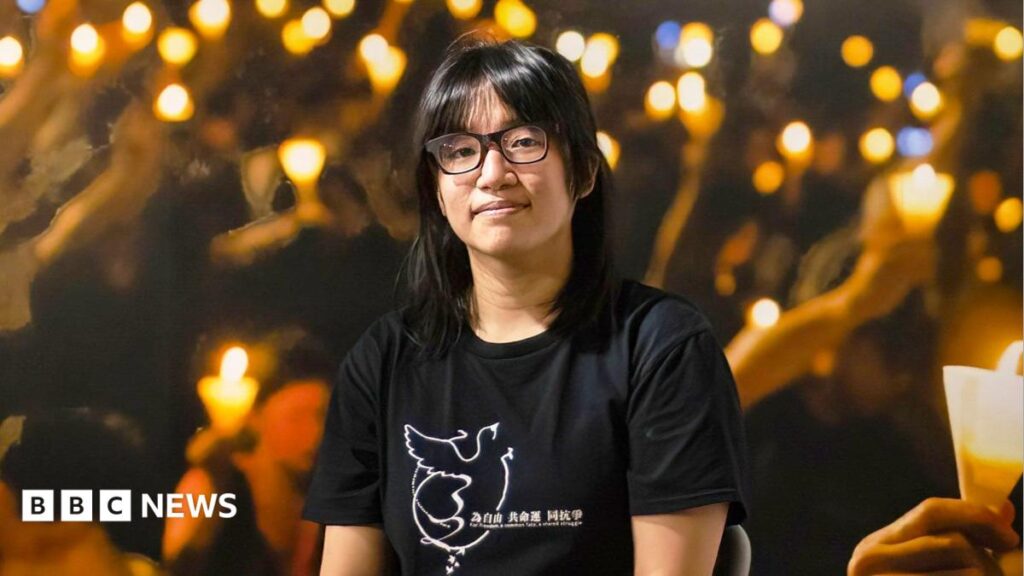
Since the 1997 handover, Hong Kong has been the only part of Chinese territory where public commemorations of the 1989 Tiananmen Square massacre could still happen without immediate police interference. Every June 4th, candle‑lit vigils in Victoria Park attracted students, journalists and expatriates, turning the city into a symbolic sanctuary for free expression in a tightening political climate.
The 2020 national security law, imposed by Beijing, criminalised "secession, subversion, terrorism and collusion with foreign forces" and gave the authorities sweeping powers to silence dissent. Over the past six years, the law has been used to dissolve pro‑democracy parties, block elections and imprison activists, eroding the space that once allowed Tiananmen remembrance to survive.
The verdict: Seven‑year sentences for five activists
On 9 September 2026, Hong Kong’s Court of Appeal handed down the longest sentences yet in the city’s Tiananmen‑related cases, sentencing five activists to between three and seven years in prison. The men – former student leaders and community organisers – were convicted of "inciting secession" for organising and participating in the annual vigil, a charge that human‑rights groups say stretches the definition of the offence far beyond its original intent.
The court ruled that the activists' public statements and the distribution of commemorative pamphlets constituted a coordinated attempt to undermine national unity. Lawyers for the defence argued that the charges violated the Basic Law’s guarantee of freedom of assembly, but the judges cited recent precedent set by the National Security Division that any political expression deemed "threatening" can be prosecuted.
Why it matters beyond Hong Kong’s borders
The sentences send a clear signal to any city that relies on Hong Kong’s reputation as a semi‑autonomous hub for finance, media and civil society. International investors, especially those from Africa who have used Hong Kong’s courts for dispute resolution, now face a legal environment where political considerations can override commercial ones. This raises the risk premium on deals that involve Chinese state‑linked partners, potentially slowing the flow of capital into African infrastructure projects that have been financed through Hong Kong‑based banks.
For the broader diaspora, the ruling deepens the sense of vulnerability among Hong Kongers living abroad. Communities in the United Kingdom, Canada and Australia have already organised protests and lobbying campaigns, warning that the crackdown could spill over into the treatment of overseas activists. The case also fuels a growing debate within African diaspora groups about how to engage with China‑funded initiatives without compromising on human‑rights standards.
African angle: Chinese investment, Hong Kong’s legal role and local activists
China’s Belt and Road Initiative (BRI) has turned many African nations into major recipients of Chinese loans, many of which are routed through Hong Kong’s financial system. Legal scholars in South Africa and Kenya note that Hong Kong’s courts have historically been seen as neutral arbiters for cross‑border disputes, a perception that is now under threat as the national security law expands Beijing’s reach into the city’s judiciary.
At the same time, a small but vocal community of African students and journalists in Hong Kong has been documenting the crackdown. According to a statement from the African Students Association at the University of Hong Kong, the sentencing "creates a chilling effect that could silence African voices calling for accountability in China‑Africa projects". Their concern is that any criticism of Chinese involvement in African mining or telecom sectors could be labelled as "foreign interference" under the same security statutes.
African NGOs that partner with Hong Kong‑based NGOs for climate and health projects are now reassessing risk. "We are reviewing our contracts and looking for alternative legal venues," said a senior officer at a Nairobi‑based NGO that previously relied on Hong Kong’s escrow services. The shift could push African organisations to seek partnerships in more transparent jurisdictions, potentially reshaping the geography of China‑Africa cooperation.
Reactions: From Western governments to grassroots movements
Western capitals have condemned the verdict as a further erosion of Hong Kong’s autonomy. The United States Department of State released a statement calling the sentences "a stark violation of the freedoms promised under the Sino‑British Joint Declaration". The European Union’s High Representative for Foreign Affairs urged the Hong Kong government to release the prisoners and to respect the right to peaceful assembly.
Within Hong Kong, pro‑democracy groups have organised a silent march on 4 June 2027, marking the eighth anniversary of the Tiananmen massacre. Organisers say they will use encrypted messaging apps and virtual reality platforms to avoid police detection, a tactic that reflects the increasingly digital nature of dissent. The diaspora has also mobilised, with a petition on Change.org gathering over 150,000 signatures demanding an international investigation into the security law’s misuse.
What’s next: Legal challenges, diplomatic pressure and the future of activism
Legal experts predict that the activists will appeal to Hong Kong’s Court of Final Appeal, but the chances of overturning the sentences appear slim given the current political climate. Some lawyers are exploring the possibility of taking the case to the International Court of Justice, arguing that the national security law contravenes international covenants on civil and political rights that China has ratified.
Diplomatically, the verdict may accelerate calls for a coordinated response from countries with significant Chinese trade, including South Africa, Nigeria and Kenya. If African governments begin to link trade concessions to human‑rights compliance, the crackdown could become a bargaining chip in broader negotiations over debt relief and infrastructure financing.
For activists, the sentencing marks a turning point toward more covert forms of protest. Online platforms that encrypt content, diaspora‑run radio stations and underground art collectives are likely to become the new frontlines. The resilience of Hong Kong’s civil society, however, suggests that even the harshest penalties cannot fully extinguish the demand for memory and accountability.
Quick Answers
Why were the Hong Kong Tiananmen activists sentenced to up to seven years?
They were convicted of "inciting secession" under the 2020 national security law for organising and taking part in the annual June 4th vigil.
How could the sentencing affect African businesses that use Hong Kong's legal system?
The verdict raises concerns that political cases may override commercial disputes, increasing legal risk for African firms that rely on Hong Kong courts for cross‑border contracts.
What options do the sentenced activists have for appeal?
They can appeal to Hong Kong’s Court of Final Appeal, though experts say success is unlikely; some may also seek to bring the case to international human‑rights bodies.
Source: www.bbc.co.uk



💬 Comments 0