Houthi advance on Bab al-Mandab Strait threatens oil shipments and African trade routes in 2026
Background: why Bab al-Mandab matters to the world and Africa
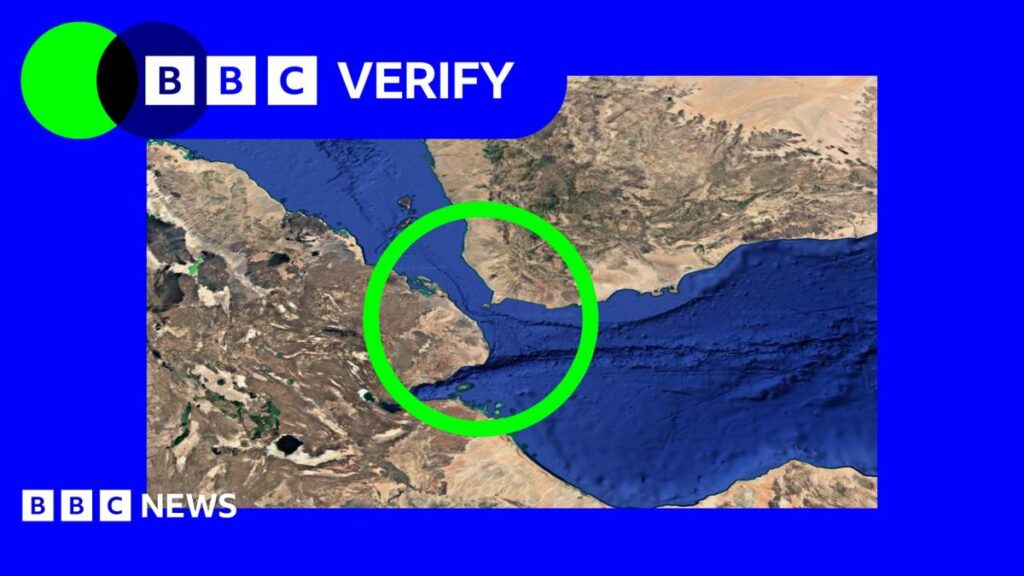
The Bab al-Mandab Strait, a narrow 20‑kilometre gap between Djibouti and Yemen, links the Red Sea with the Gulf of Aden. More than 5 million barrels of crude oil pass through the strait each day, accounting for roughly 10 percent of global oil trade. For African economies, the waterway is equally vital: Ethiopia’s landlocked export corridor relies on the Port of Djibouti, while Kenya, Tanzania and Sudan ship bulk commodities such as coffee, tea and minerals through the Red Sea to Europe and Asia.
Historically, the strait has been a flashpoint for regional rivalries. The Saudi‑UAE coalition’s intervention in Yemen in 2015 and the rise of the Iran‑aligned Houthi movement have turned the passage into a contested security zone. International naval patrols, chiefly led by the United States, France and the United Kingdom, have kept piracy and large‑scale attacks at bay, but the underlying political tension remains unresolved.
The recent Houthi seizure: what happened on the ground
In early September 2026, Houthi forces launched a coordinated offensive that captured several villages on the Yemeni side of the strait, including the strategic port town of Al‑Maqal. Satellite imagery released by the United Nations Panel of Experts showed Houthi‑controlled artillery positioned within range of the main shipping lane, effectively giving the group a foothold to threaten passing vessels.
According to a statement from the Houthi political bureau, the operation was meant to “protect our sovereign waters from foreign aggression” and to pressure the Saudi‑UAE coalition into ending its blockade of Yemen. The group also announced plans to mine the narrowest part of the strait, a claim that analysts at the International Institute for Strategic Studies say could raise the risk of accidental detonations involving commercial ships.
Ripple effects on African trade and energy markets
The immediate market reaction was a spike in Brent crude, which rose 2.3 percent after news of the seizure broke. For African oil‑importing nations such as Ghana, Nigeria and Kenya, higher global prices translate into increased fuel costs that already strain fragile public budgets. The African Development Bank warned that a sustained disruption could add up to $12 billion in cumulative losses for the continent’s transport sector over the next twelve months.
Beyond oil, the strait is a conduit for over 30 percent of Ethiopia’s export volume, which travels by rail to Djibouti’s port before crossing the Red Sea. Any closure or heightened insurance premiums could force Ethiopian exporters to reroute cargo through the longer, more expensive land corridor via Sudan, jeopardising trade deals with European buyers. Kenyan tea exporters have already reported that shipping lines are demanding higher freight rates to cover the perceived security risk.
International responses and the widening security dilemma
The United States Navy announced an increase in patrols around the strait, deploying two additional destroyers and a maritime surveillance aircraft. European Union naval commander Admiral Luca D’Angelo said the EU’s Operation Aspides would “maintain freedom of navigation while avoiding escalation”. However, diplomats from Saudi Arabia and the United Arab Emirates have condemned the Houthi move as a “dangerous provocation” and called for a UN‑mandated cease‑fire.
Security experts note that the Houthi advance fits a broader pattern of non‑state actors leveraging chokepoints to extract political concessions. Similar tactics were observed in 2022 when Somali pirates briefly seized control of a segment of the Gulf of Aden, prompting a surge in maritime insurance premiums. The current episode could trigger a comparable rise in war‑risk insurance for vessels transiting the Red Sea, a cost that would ultimately be passed on to African importers and exporters.
What comes next: scenarios for the strait and African stakeholders
Analysts outline three plausible trajectories. In the best‑case scenario, diplomatic pressure forces the Houthis to withdraw, and a multinational monitoring framework is established, restoring confidence in the corridor within weeks. In a medium‑risk outlook, the strait remains partially open but with heightened security protocols, leading to a 15‑20 percent increase in shipping costs that could erode profit margins for African commodity exporters.
The worst‑case scenario involves a protracted standoff, with the Houthis laying mines and the coalition responding with air strikes that further destabilise the region. Such a deadlock could push shipping companies to divert vessels around the Cape of Good Hope, adding 10‑12 days to transit times and inflating freight rates by up to 30 percent. African governments and regional bodies like the African Union are already discussing contingency plans, including stockpiling essential fuels and accelerating investments in alternative trade corridors such as the Lamu Port‑South Sudan Railway.
Quick Answers
How could the Houthi seizure of Bab al-Mandab affect oil prices?
Disruption of the strait can cut daily oil flows by millions of barrels, prompting a price rise of 2‑3 percent in global benchmarks like Brent.
Which African countries rely most on the Bab al-Mandab Strait for trade?
Ethiopia, Kenya, Tanzania, Sudan and the oil‑importing nations of Ghana, Nigeria and Kenya depend heavily on the waterway for exports and fuel imports.
What steps are being taken to keep the strait open?
The U.S., EU and regional navies have increased patrols, while diplomatic talks aim to establish a UN‑backed monitoring mission to ensure safe passage.
Source: www.bbc.co.uk




💬 Comments 0