How Donald Trump’s 2026 Midterm Strategy Could Shape the GOP and African Diaspora Voters
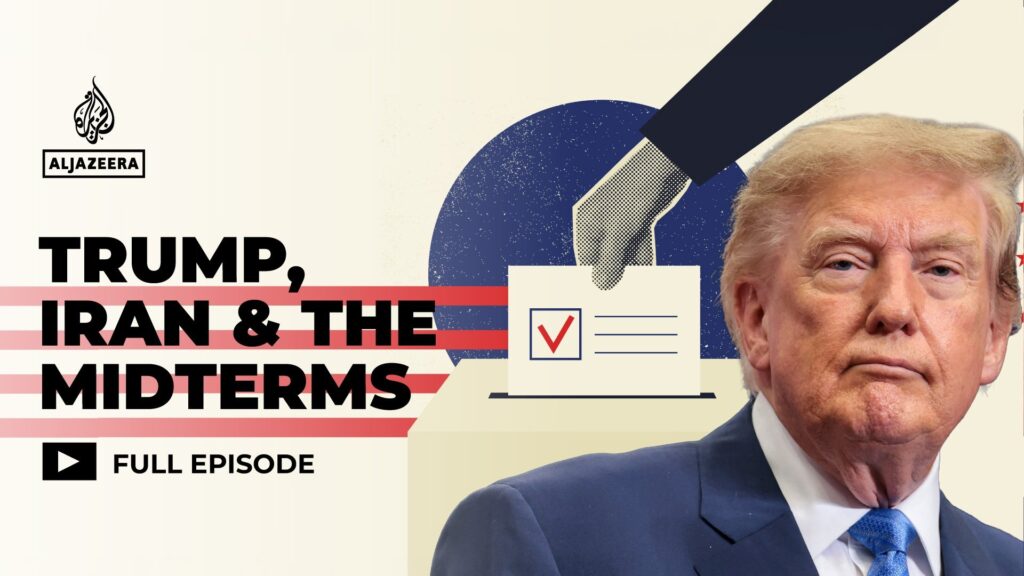
Background: Trump’s political comeback and the 2026 midterms
After a two‑year hiatus from the White House, Donald Trump re‑emerged in early 2025 with a series of high‑profile rallies and a renewed pledge to dominate the Republican agenda ahead of the 2026 midterm elections. His comeback has been driven by a belief that the GOP can only regain its “majority‑making” status by leaning into his brand of confrontational politics.
The 2026 midterms are crucial because they will determine control of the House, the Senate, and dozens of state legislatures. Historically, the party holding the presidency tends to lose seats in the midterms, but Trump’s unconventional tactics aim to flip that pattern. Analysts from the Brookings Institution note that his influence on the party’s candidate selection and fundraising has already reshaped many primary battles.
Policy moves that test US power
Since returning to the political spotlight, Trump has championed three policy thrusts that directly test the limits of American power: a hard‑line immigration agenda, aggressive trade protectionism, and a rollback of climate commitments. The immigration plan, which seeks to drastically reduce legal pathways for migrants from Africa and the Middle East, has sparked lawsuits and protests across several states.
On trade, Trump has revived tariffs on Chinese goods while also threatening to impose punitive duties on African nations that do not align with his “America‑First” agenda. In a June 2026 speech, he warned that “countries that cheat us on trade will pay the price,” a line that analysts say could jeopardise the African Growth and Opportunity Act (AGOA) extensions under negotiation.
His environmental rollbacks, including the withdrawal from the Kigali Amendment, have drawn criticism from African climate‑vulnerable states. According to a joint statement from the African Union and the United Nations, the move threatens funding for renewable‑energy projects in Kenya and Ethiopia.
Implications for the Republican Party
Trump’s aggressive stance is polarising within the GOP. Traditional conservatives worry that alienating suburban voters and minority groups could cost the party crucial swing districts. A poll conducted by Pew Research in July 2026 showed that 42% of Republican‑leaning voters said Trump’s immigration rhetoric made them less likely to vote for the party in the upcoming elections.
Conversely, a faction of the party’s base—particularly in the Rust Belt and Deep South—has rallied behind Trump’s promises to “bring back American jobs” through tariffs and to “secure the border.” This split mirrors the intra‑party battles that unfolded in the 2022 midterms, where candidates aligned with Trump either won primaries by large margins or faced defeats in general elections due to broader electorate backlash.
Fundraising data released by the Federal Election Commission indicates that Trump‑aligned Super PACs have raised $1.3 billion since the start of 2026, outpacing the combined totals of all other Republican fundraising groups. The influx of cash gives Trump considerable leverage over candidate endorsements and campaign messaging.
African diaspora and US‑Africa relations
The African diaspora in the United States—estimated at 2.4 million first‑generation immigrants and a larger second‑generation population—has become a growing electoral force in states like Maryland, Virginia, and Minnesota. Trump's immigration proposals risk suppressing voter turnout among this community, a concern echoed by organizations such as the African American Institute and the Nigerian American Association.
Beyond voting, Trump’s trade threats could affect African exporters that rely on the US market for agricultural products, textiles, and technology components. The United States accounts for roughly 15% of Kenya’s export earnings; a sudden tariff hike could cut those revenues by billions of dollars, according to a 2025 report from the Kenya Export Promotion Council.
Climate policy shifts also have direct repercussions. African nations that depend on US‑funded climate finance may see project delays, which could exacerbate food insecurity in the Sahel. Diaspora activists have begun mobilising on platforms like Twitter and Facebook, urging US lawmakers to protect AGOA and climate assistance, signalling a new wave of transnational political engagement.
What comes next: the road to the 2026 elections
Looking ahead, the GOP’s success will hinge on whether Trump can translate his rally‑crowd energy into ballot‑box votes without alienating key swing‑state demographics. Early primary results in Iowa and New Hampshire suggest that Trump‑endorsed candidates are winning with large margins, but general‑election polling in Pennsylvania and Wisconsin remains volatile.
For African interests, the next few months will be decisive. The US‑Africa Leaders Summit scheduled for September 2026 offers a diplomatic venue where lawmakers can press the administration on trade and climate commitments. Diaspora groups plan to lobby heavily at the summit, hoping to secure a formal pledge to maintain AGOA extensions and climate funding.
Ultimately, the midterms will test not only the Republican Party’s strategic calculations but also the broader balance of US power in a multipolar world. If Trump’s hard‑line agenda prevails, it could reshape US‑Africa ties for years to come, influencing everything from trade balances to the political voice of millions of African‑descended voters in America.
Quick Answers
How might Donald Trump's immigration policy affect African voters in the US?
His stricter immigration rules could limit legal pathways for African migrants, potentially reducing voter registration and turnout among the African diaspora.
What is the risk of new US tariffs on African exports before the 2026 midterms?
Tariffs could cut export revenues for countries like Kenya and Ethiopia by billions, undermining trade agreements such as AGOA.
Will the 2026 US‑Africa Leaders Summit influence Trump’s midterm strategy?
Yes, the summit provides a platform for diaspora groups and African leaders to push back on trade and climate policies that could affect Trump’s voter outreach.
Source: www.aljazeera.com




💬 Comments 0