Hurricane Isaias 2026: Four Dead, Power Outages Hit Thousands in Florida and Georgia
What happened on Friday night
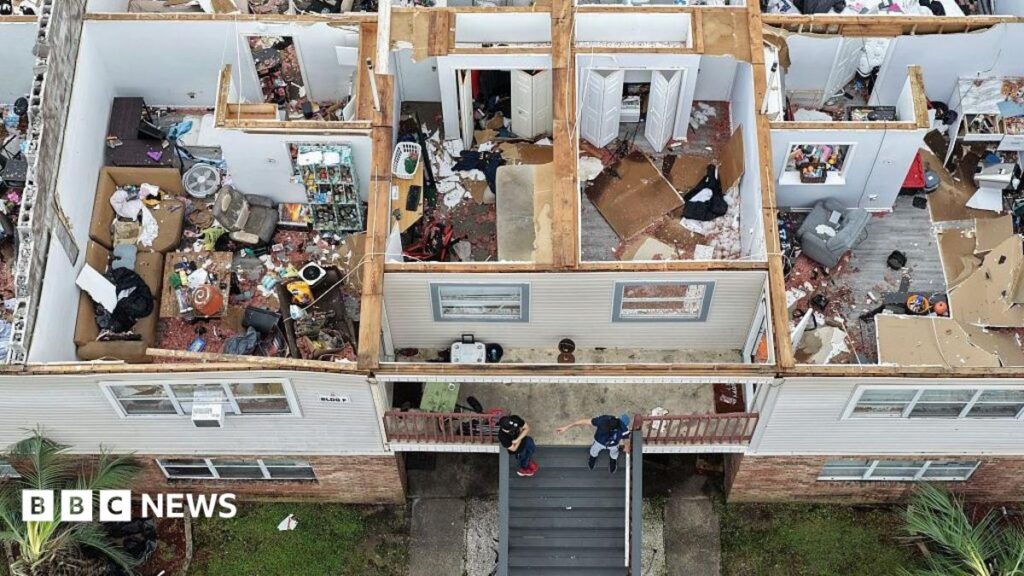
Late Friday evening, Hurricane Isaias made landfall along the Florida coast as a Category 2 storm, bringing sustained winds of 110 miles per hour and a storm surge that topped three feet in several low‑lying neighborhoods. The cyclone ripped roofs from homes, toppled trees onto highways and knocked out power lines across a swath stretching from Jacksonville to Savannah. By midnight, emergency crews were still battling flooded streets and debris‑blocked evacuation routes.
Within hours, the storm weakened to a post‑tropical cyclone as it moved inland, but the damage it inflicted persisted. Utilities reported that more than 1.8 million customers across four states were left without electricity, with many areas still in the dark the following morning. The National Weather Service confirmed four fatalities – two in Florida, one in Georgia, and one in South Carolina – all linked to falling debris or drowning in floodwaters.
The Federal Emergency Management Agency (FEMA) activated pre‑positioned response teams in the hardest‑hit counties, and the governor of Florida declared a state of emergency to unlock additional resources. While the immediate threat of wind has passed, officials warned that lingering power outages could last several days, especially in rural communities where the grid is already fragile.
Why the storm matters beyond the headlines
Isaias is the latest reminder that the United States’ power infrastructure is ill‑prepared for increasingly intense weather events, a trend scientists attribute to climate change. The storm’s rapid intensification over the warm Gulf waters mirrors patterns seen in the Atlantic basin over the past decade, where the frequency of major hurricanes has risen by roughly 15 percent, according to a 2024 NOAA report.
The outage numbers also expose a socioeconomic divide: low‑income neighborhoods, many of which house large African‑American and Caribbean immigrant populations, experienced longer restoration times because of older wiring and fewer backup generators. A study by the Urban Institute last year found that power outages in minority‑dense zip codes can last up to 30 percent longer than in wealthier areas, exacerbating existing inequalities.
For the African diaspora in the southeastern United States, the storm disrupted community gatherings, church services, and small businesses that rely on consistent electricity. Nigerian‑owned grocery stores in Jacksonville reported losses of perishable goods, while Ghanaian cultural groups had to postpone a planned Independence Day concert, highlighting how a single weather event ripples through cultural and economic networks.
Implications for African markets and investors
The damage to U.S. ports in Savannah and Jacksonville has immediate trade repercussions. Both ports handle a sizeable share of African exports, especially cocoa from Ghana and coffee from Ethiopia. Disruptions in cargo handling can delay shipments, increase freight costs and tighten supply chains that African producers depend on for access to North American markets.
Investors watching the African commodity space noted that insurance premiums for shipments crossing the Atlantic are likely to rise, as insurers recalibrate risk models after each major storm. A spokesperson for African Export‑Import Bank said that higher logistics costs could shave up to 2 percent off profit margins for small‑scale exporters, prompting calls for diversified trade routes and greater use of inland rail corridors.
On the flip side, the reconstruction effort creates short‑term opportunities for African‑based construction firms that have secured contracts with U.S. firms for building materials, such as steel and pre‑fabricated panels. Companies like South Africa’s MMI Holdings have already expressed interest in bidding for contracts related to grid hardening and hurricane‑resilient housing projects.
Responses from governments and NGOs
State and federal agencies coordinated a rapid response, deploying the National Guard to assist with sandbag distribution and to clear blocked roadways. The Department of Energy announced a temporary waiver allowing utilities to import power from neighboring states, a measure designed to shorten outage durations for critical facilities like hospitals and data centers.
Non‑profit organizations with strong African diaspora ties mobilised volunteers to deliver food, water and medical supplies to affected neighborhoods. The African American Leadership Forum in Atlanta set up a 24‑hour hotline to connect residents with emergency assistance, while the Nigerian Diaspora Development Center in Jacksonville organized a drive to collect generators for churches and community centers.
Internationally, the Caribbean Community (CARICOM) issued a statement of solidarity, noting that many of its member states are also grappling with climate‑driven storms. The statement called for increased funding for climate adaptation projects in the region, a request that could influence future U.S. aid packages and, indirectly, African nations that collaborate with Caribbean partners on climate resilience.
What comes next: rebuilding and policy shifts
In the weeks ahead, the focus will shift from emergency relief to rebuilding a more resilient grid. The Federal Energy Regulatory Commission (FERC) has pledged to fast‑track applications for underground power lines, a technology that, while costly, reduces vulnerability to wind‑borne debris. Analysts predict that the next three to five years could see a $12 billion investment in grid modernization across the Gulf Coast.
Legislators in both Florida and Georgia are already drafting bills that would require new residential construction to meet higher wind‑resistance standards, similar to those used in hurricane‑prone parts of the Caribbean. If passed, these regulations could raise building costs by 5‑7 percent but are expected to lower long‑term insurance premiums and property damage losses.
For African investors and diaspora entrepreneurs, the rebuilding phase offers a chance to shape a more inclusive recovery. Community‑led development funds are being set up to ensure that low‑income neighborhoods receive equitable access to new infrastructure, and several diaspora‑backed venture capital firms have announced seed funding for startups focused on renewable energy storage and micro‑grid solutions.
Quick Answers
How many people were left without power after Hurricane Isaias?
More than 1.8 million customers across Florida, Georgia, South Carolina and North Carolina lost electricity.
What impact does the storm have on African exports to the US?
Port disruptions in Savannah and Jacksonville can delay shipments of African goods, raise freight costs and increase insurance premiums for exporters.
Are there any specific aid efforts for the African diaspora?
Yes, groups like the Nigerian Diaspora Development Center in Jacksonville have organized generator donations and food drives for affected community members.
Source: www.bbc.co.uk




💬 Comments 0