Iceland EU Membership Referendum 2026: Close Race Over Fishing Rights and Trade
Background: Iceland’s long‑standing EU dilemma
Since the early 2000s Iceland has flirted with European Union accession, only to pull back each time the prospect of ceding control over its exclusive economic zone (EEZ) became politically toxic. The country’s economy hinges on a modest population of around 380,000 but a disproportionately large fishing sector that accounts for roughly 70% of export earnings. Past negotiations in 2013 and 2014 stalled when Icelandic parties feared EU fisheries rules would erode the quota system that has protected its pelagic stocks for decades.
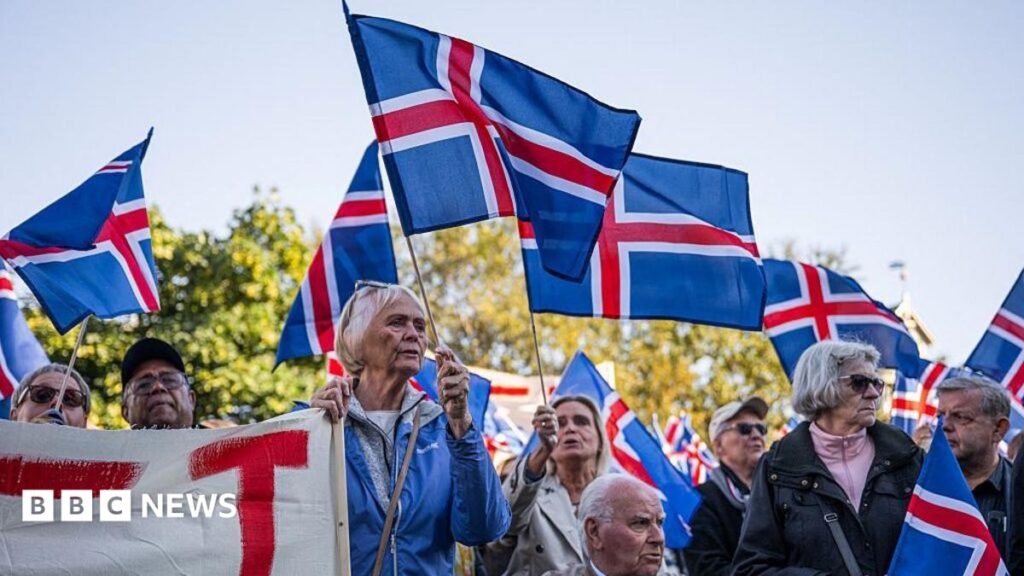
In March 2026 a sudden surge in diplomatic friction with the United Kingdom over Arctic shipping lanes prompted Reykjavik to accelerate the timetable for a public vote. The government framed the referendum as a test of national sovereignty, while opposition parties seized the moment to rally coastal communities that see EU membership as an existential threat to their livelihoods.
The campaign: Fishing versus market access
Pro‑EU campaigners argue that membership would open the single market to Icelandic seafood, potentially increasing revenues by up to 15% according to a study by the University of Iceland’s economics department. They also point to the EU’s climate‑fund mechanisms, which could help modernise the nation’s fleet and reduce by‑catch, a concern for younger voters in Reykjavik’s urban districts.
Anti‑EU activists, led by the Centre Party and several fishermen’s unions, warned that the Common Fisheries Policy (CFP) would impose a quota‑sharing system that could dilute Iceland’s historic catch limits. They cite the experience of Spain’s Galician fleet, which saw quotas cut after joining the EU in the 1980s, as a cautionary tale. The slogan “Our fish, our future” dominated rallies in towns like Ísafjörður and Akureyri, underscoring how the debate has become a cultural flashpoint as much as an economic one.
Why it matters beyond Iceland’s shores
The outcome will reverberate through the EU’s broader enlargement strategy, which has stalled after the 2022 accession of Croatia and the lingering deadlock over Western Balkans candidates. A “yes” vote could revive the narrative that small, resource‑rich nations can still find a place in the Union, potentially encouraging other peripheral states—such as Norway or the Faroe Islands—to revisit their EU prospects.
For African exporters, especially West African nations that ship tuna and sardines to Europe, Iceland’s EU status could reshape competitive dynamics. If Iceland gains unfettered access to EU ports, its lower production costs might pressure African fish exporters who already face high tariffs and stringent sustainability standards. Conversely, a “no” result could keep the EU’s current import quotas intact, preserving market share for African suppliers who have invested in traceability certifications.
Reactions across Europe and the diaspora
European leaders have largely stayed neutral, but the European Commission issued a statement noting that “the EU respects the democratic choice of Icelandic citizens.” Inside the EU, fisheries ministers from Spain, Portugal and Denmark expressed cautious optimism, hoping a positive vote would signal renewed cooperation on quota management in the North Atlantic.
Among the Icelandic diaspora in North America and the United Kingdom, opinions are split. A poll conducted by the Icelandic-American Association in June showed that 58% of expatriates living in the United States support EU membership, citing easier travel and business ties, while 62% of those in the UK oppose it, fearing tighter immigration controls. Social media chatter has amplified these divides, with hashtags like #IcelandEU2026 trending alongside memes that juxtapose Icelandic puffins with EU flags.
What’s next: Scenarios after the vote
If the referendum yields a narrow “yes” – current polls suggest a margin of less than 3 percentage points – the government will reopen accession talks with Brussels, likely focusing first on fisheries negotiations. Experts predict a multi‑year timeline, as any compromise would have to reconcile Iceland’s quota system with the CFP’s principle of shared management. The process could also trigger a domestic review of the country’s fisheries law, potentially opening the door for private equity investment in processing facilities.
A “no” outcome would cement Iceland’s status as a non‑EU European Economic Area (EEA) partner, preserving its current trade arrangements but leaving the fishing policy debate unresolved. Opposition leaders have warned that a defeat could fuel a resurgence of nationalist sentiment, possibly reshaping the next parliamentary election in 2029. Regardless of the result, the referendum will serve as a case study for how small economies balance sovereignty, sustainability and market integration in a rapidly changing global trade environment.
Quick Answers
When is Iceland’s EU membership referendum being held?
The vote is scheduled for 29 August 2026.
What are the main arguments for and against Iceland joining the EU?
Pro‑EU advocates cite access to the single market and EU climate funds, while opponents fear loss of control over fishing quotas under the Common Fisheries Policy.
How could a ‘yes’ vote affect African fish exporters?
If Iceland joins the EU, its seafood could enter the bloc tariff‑free, increasing competition for African exporters who currently rely on EU market access under existing trade agreements.
Source: www.bbc.co.uk




💬 Comments 0