Iceland EU referendum 2026 ends in razor‑thin 49.8%‑49.2% split as vote count continues
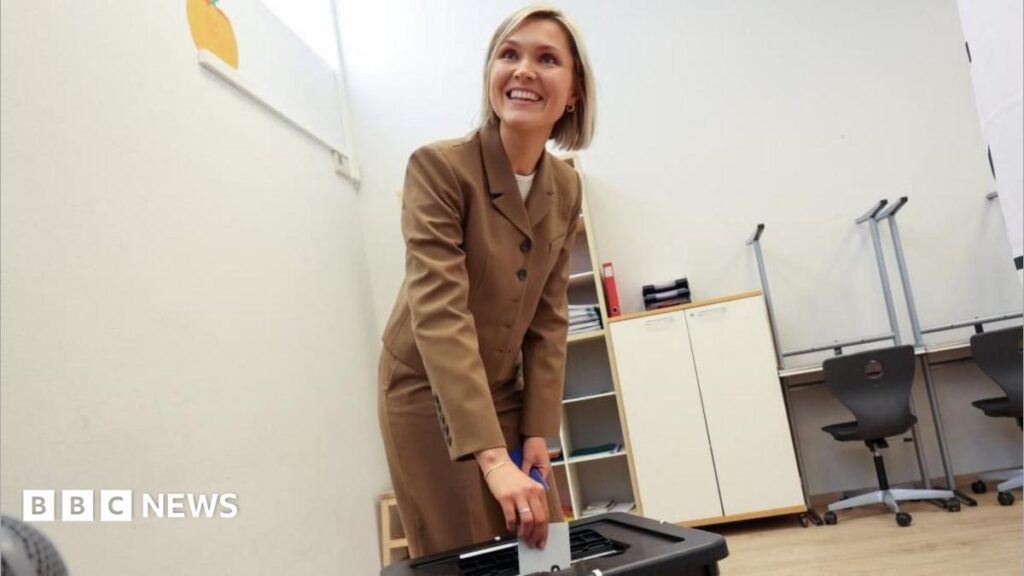
Background: Iceland’s EU journey
Iceland first opened accession talks with the European Union in 2010 after a 2009 referendum showed a narrow majority – 55% – in favour of starting negotiations. The talks stalled in 2013 when a new centre‑right government withdrew the mandate, citing concerns over fisheries sovereignty and the country’s monetary independence.
A decade later, a coalition led by the progressive Left‑Green Alliance revived the issue, arguing that EU membership could secure a stronger climate agenda and access to the single market. The 2026 referendum was therefore framed as a choice between deeper integration and preserving the status‑quo of an autonomous, non‑EU island economy.
The referendum question was simple: should Iceland resume formal membership talks with the EU? Voters were given a ‘Yes’ or ‘No’ ballot, with the final count set to be announced after the midnight deadline on August 30. Historically, Icelandic referendums have drawn high turnout, and this one was no exception, with over 85% of eligible voters casting a ballot.
The referendum result: a razor‑thin margin
When the first batch of precincts was tallied, the race was already tight – 49.8% for ‘Yes’ and 49.2% for ‘No’, a difference of just 0.6 percentage points. As counting progressed into the early hours of August 31, the gap fluctuated, prompting calls for patience from both sides.
Election officials have warned that the final result could shift by a few tenths of a percent as remote islands and expatriate votes are integrated. In past Icelandic referendums, late‑arriving ballots have occasionally tipped the balance, a fact that keeps both camps on edge.
Political analysts, such as Dr. Guðmundur Einarsson of the University of Iceland, note that the closeness reflects deep societal divisions: younger urban voters lean pro‑EU for climate and trade benefits, while rural fishing communities remain wary of losing control over quotas.
Why the outcome matters for Iceland
A ‘Yes’ victory would restart formal accession negotiations, potentially unlocking EU funding for renewable energy projects and giving Iceland a louder voice in EU climate policy – a priority for a nation that generates 85% of its electricity from geothermal and hydro sources.
Conversely, a ‘No’ result would preserve Iceland’s current autonomy over its lucrative fisheries sector, which accounts for roughly 40% of export earnings. Maintaining control over the 23‑million‑tonne annual catch is crucial for coastal towns where fishing is the main employer.
Beyond economics, the decision carries symbolic weight. Membership would align Iceland with the Schengen Area, easing travel for the diaspora in Europe, while also obliging the country to adopt EU standards on everything from data protection to labor law. The trade‑off between openness and regulatory conformity is at the heart of the public debate.
Ripple effects for Europe and Africa
The EU’s internal dynamics are already strained by enlargement fatigue, especially after the stalled talks with the Western Balkans. A new accession case, even a small one like Iceland, could rekindle discussions about the Union’s capacity to absorb fresh members without diluting its policy coherence.
For African partners, the referendum’s outcome may indirectly shape EU external policy. The EU’s fisheries agreements with West African nations, such as the 2022 Sustainable Fisheries Partnership with Ghana, are negotiated by the EU’s Common Fisheries Policy – a policy that Iceland would influence if it joins. A ‘Yes’ vote could therefore tilt future quota allocations and affect African coastal economies that rely on joint‑venture fishing licences.
Moreover, Iceland’s reputation as a climate‑leadership pioneer could bolster EU‑Africa cooperation on renewable energy. If Iceland re‑enters the accession track, it may push the EU to adopt more ambitious green standards, which would cascade into EU‑Africa climate financing frameworks, including the African Renewable Energy Initiative.
What comes next: political and economic scenarios
Should the final count confirm a narrow ‘Yes’, the Icelandic government will have to appoint a negotiating team within three months, as stipulated by the EU’s accession protocol. Expect a rapid rollout of technical talks on fisheries, agriculture, and judicial cooperation, with the European Commission likely to set a two‑year timetable for a formal membership decision.
If the ‘No’ side prevails, the current coalition will need to manage the fallout among pro‑EU MPs who campaigned on a different platform. Early polls suggest that a defeat could trigger a cabinet reshuffle, and possibly an early election, as opposition parties seize the moment to demand a fresh mandate on economic diversification.
In either scenario, the financial markets have already priced in increased volatility for the Icelandic krona. Analysts at Nordic Investment Bank predict that a ‘Yes’ outcome could modestly appreciate the krona due to anticipated EU inflows, while a ‘No’ could keep the currency under pressure as investors await policy clarity.
Quick Answers
What was the final vote split in Iceland's 2026 EU referendum?
The provisional count shows 49.8% voting ‘Yes’ and 49.2% voting ‘No’, a margin of just 0.6 percentage points.
How could Iceland joining the EU affect African fisheries agreements?
Iceland would gain a seat at the EU table that shapes the Common Fisheries Policy, potentially influencing quota allocations in joint‑venture deals with West African countries.
What are the next steps if the ‘Yes’ side wins?
Iceland must appoint a negotiating team within three months and begin formal accession talks covering fisheries, trade, and legal alignment.
Source: www.bbc.co.uk




💬 Comments 0