India Gen Z protests face winter of uncertainty after summer win over Digital Surveillance Bill 2026
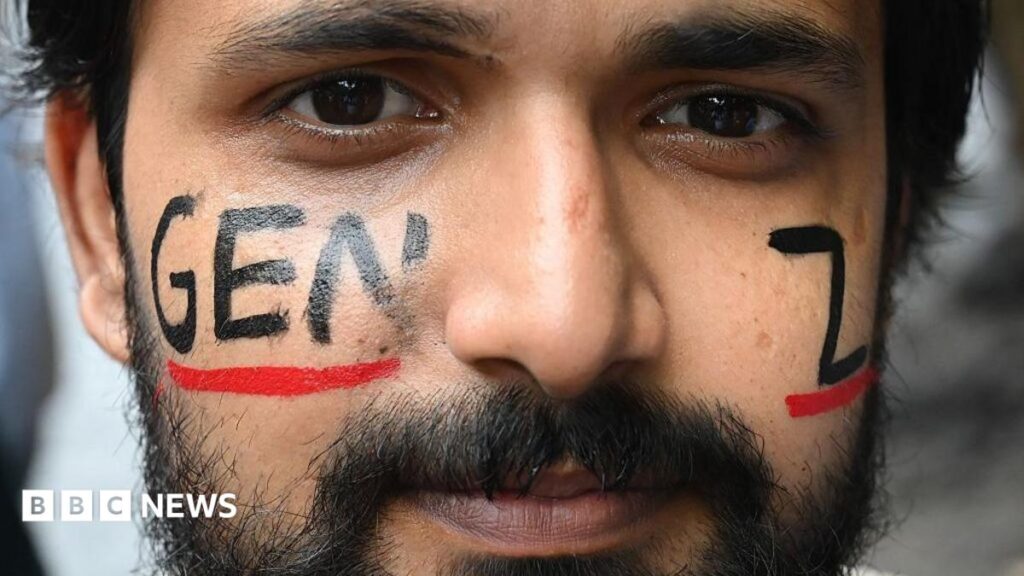
Summer Surge: How India’s Gen Z Turned Satire into Street Power
The Indian summer of 2026 saw a fresh wave of dissent led by teenagers and twenty‑somethings who had grown up with TikTok, Instagram memes and WhatsApp forwards. What began as a series of viral jokes mocking the government's proposed Digital Surveillance Bill quickly morphed into coordinated flash‑mob rallies in Delhi, Bengaluru and Kolkata, drawing crowds that often outnumbered traditional opposition gatherings.
Social media platforms became the de‑facto organizing rooms; a hashtag that started as a punchline – #SurveilMeNot – trended for weeks, translating into on‑the‑ground actions such as “meme‑marches” where protestors carried placards printed with popular GIFs. Analysts say the blend of humor and political urgency helped lower the perceived risk of participation among young people who might otherwise have stayed silent.
The movement’s momentum was amplified by a series of high‑profile incidents, including a live‑streamed sit‑in at the Ministry of Electronics and Information Technology that was viewed by millions across the sub‑continent. By early August, the government found itself forced to acknowledge the protests, a rarity for a ruling party that usually dismisses online dissent as fringe.
The Legislative Win: Suspension of the Digital Surveillance Bill
In a surprising turn of events, Parliament voted on 15 August 2026 to suspend the Digital Surveillance Bill for a period of six months pending a comprehensive review. The decision was framed by the Ministry as a “temporary pause to incorporate public feedback,” but for Gen Z activists it represented a concrete acknowledgment that their pressure had produced results.
The suspension halted provisions that would have required telecom operators to install back‑door access for law‑enforcement agencies and mandated mandatory data‑retention periods for social‑media companies. Civil‑society groups, including the Indian Digital Rights Forum, hailed the move as a “victory for internet freedom” and urged the government to draft a more balanced framework.
Nevertheless, the win was not absolute. The bill’s core language remained intact, and the temporary nature of the suspension left room for the government to revive the legislation once the review period ended. Critics warned that the pause could be used to regroup and push a more aggressive version of the law later in the year.
Why the Victory is Fragile: Political Realignments and Legal Loopholes
The summer triumph coincided with a period of political flux. The ruling party, after a disappointing performance in several state elections, began courting younger voters with promises of “digital empowerment,” while opposition coalitions sought to capitalize on the protest momentum. This jockeying for support has already produced new legislative proposals that could sidestep the suspended bill entirely.
Legal experts point out that the suspension does not invalidate the bill’s drafting committee report, which remains on the record and can be resurrected through a simple procedural motion. Moreover, the government retains emergency powers that allow it to bypass parliamentary approval in the name of national security – a clause that has been invoked in past controversies over internet shutdowns.
Sources within the Ministry, speaking on condition of anonymity, say that senior officials are preparing a “next‑phase” strategy that includes stricter content‑moderation mandates and expanded surveillance capabilities under the guise of combating misinformation. If enacted, these measures could erode the very freedoms the Gen Z movement fought to protect.
Echoes Across the Continent: African Youth Movements Watching India
The Indian Gen Z protest model has not gone unnoticed in Africa, where young activists are grappling with similar battles over digital rights and state surveillance. In Nigeria, the #EndDigitalAbuse campaign, launched in September 2026, explicitly referenced India’s meme‑marches as a template for “using humor to defuse fear.”
Kenyan climate activists have also cited the Indian example in training workshops organized by the African Youth Climate Network, noting how viral content can translate into real‑world pressure on policymakers. A Ghanaian digital‑rights NGO, Digital Freedom Ghana, released a briefing that compares India’s temporary suspension to the recent Ghanaian parliament debate on the Data Protection (Amendment) Bill, suggesting that cross‑continental solidarity could shape future outcomes.
Diaspora communities in London, Toronto and Johannesburg have been instrumental in circulating the Indian protest footage, linking it to local campaigns against facial‑recognition technology. This transnational flow of tactics underscores a growing perception among African youth that the fight for internet freedom is a shared, border‑less struggle.
Looking Ahead: What the Winter Could Mean for Indian Protesters
As the monsoon recedes and winter sets in, the Gen Z movement faces a strategic crossroads. The six‑month suspension expires on 15 February 2027, leaving activists a narrow window to push for a permanent amendment or to mobilize against a possible reinstatement. Many have already begun drafting a “Digital Bill of Rights” that they hope to present to the parliamentary committee before the deadline.
International observers, including the United Nations Human Rights Council, have scheduled a review of India’s compliance with the International Covenant on Civil and Political Rights for March 2027. Activists are counting on this spotlight to amplify their demands, but they also fear that a heavy‑handed response could trigger a crackdown similar to the 2020 internet shutdowns in Kashmir.
The winter season also brings practical challenges: colder weather reduces the feasibility of large outdoor gatherings, while university exams and job‑search pressures divert attention. To adapt, organizers are turning to encrypted messaging apps and virtual town‑halls, hoping to keep the momentum alive in a more covert, yet still coordinated, fashion.
Quick Answers
What was the Digital Surveillance Bill that Indian Gen Z protested?
It was a 2026 draft law that would have forced telecoms to install back‑doors for authorities and required social‑media firms to keep user data for up to three years.
How did Indian youth use memes in their protests?
They created viral hashtags like #SurveilMeNot, turned popular GIFs into placards, and livestreamed flash‑mob actions that attracted millions of online viewers.
Are African activists influenced by India’s Gen Z protests?
Yes; movements in Nigeria, Kenya and Ghana have referenced India’s meme‑march tactics and are adapting similar digital‑satire strategies in their own campaigns.
Source: www.bbc.co.uk




💬 Comments 0