Indian cartoonists face new 2026 online restrictions as platforms block 300 satire posts
Background: Satire goes digital in India
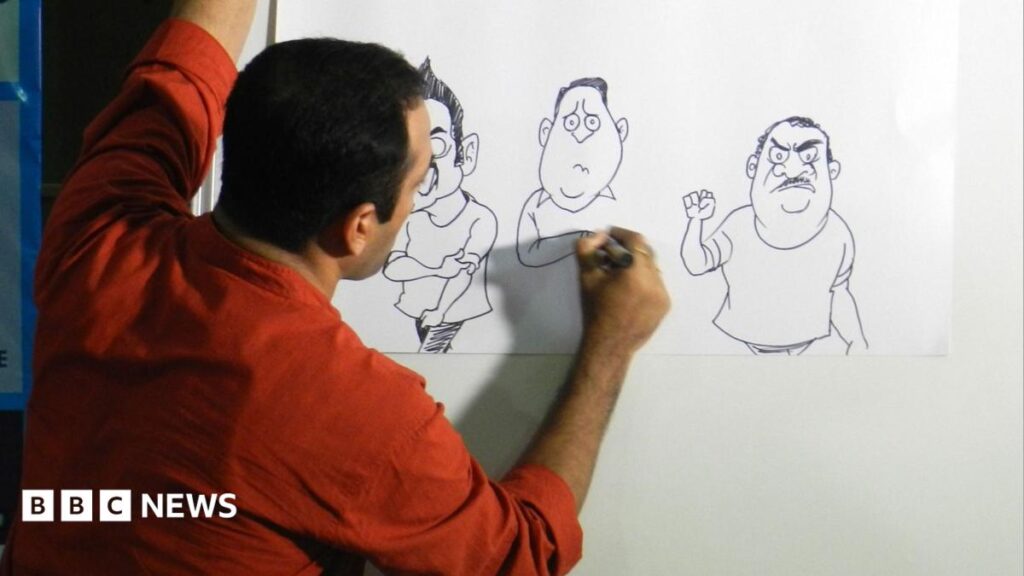
For decades, Indian cartoonists have used newspaper ink to poke fun at politicians, social norms, and everyday absurdities. With the rise of smartphones and social media after 2015, the medium shifted online, allowing artists to reach millions instantly and bypass traditional editorial gatekeepers.
Platforms such as Twitter, Instagram and regional apps like ShareChat became virtual galleries where creators posted daily sketches, often accompanied by short captions that turned complex policy debates into bite‑size jokes. By 2024, a handful of Indian cartoonists amassed followings that rivaled mainstream news outlets, turning satire into a lucrative side‑business through brand deals and Patreon‑style support.
That visibility also made the work a target. Government officials, political parties and even corporate interests began flagging satirical posts as "misinformation" or "offensive" under vague digital‑content rules introduced in 2022. The tension between creative freedom and state‑led content moderation set the stage for the 2026 crackdown.
New restrictions: Platforms start blocking satire
In March 2026, Instagram announced an algorithmic update that automatically demoted posts containing certain keywords linked to political criticism. Within weeks, at least 300 satirical images from well‑known Indian cartoonists were either removed or hidden behind a "restricted" label, according to a list compiled by the Artists’ Rights Forum.
Twitter, now owned by a private consortium after Elon Musk’s 2022 acquisition, introduced a policy that treats any cartoon depicting a public figure in a negative light as "potentially hateful". The policy led to the suspension of three prominent accounts and the shadow‑ban of dozens more, prompting creators to report sudden drops in engagement.
ShareChat, which boasts a user base of over 150 million in India’s regional languages, reportedly deployed a machine‑learning filter that flags caricatures with exaggerated facial features. The filter, sources say, was calibrated after pressure from a coalition of right‑wing groups that accused the app of "defaming Indian culture".
Why it matters: The cost to creators and public discourse
The immediate impact is financial. Many cartoonists rely on platform‑generated revenue—likes, shares, and ad‑splits—to fund their studios. When posts are hidden, brand partners pull sponsorships, and Patreon‑style contributions dwindle. A survey by the Indian Cartoonists Association found that 62 % of respondents expect a 30‑40 % drop in earnings this year.
Beyond money, the restrictions threaten the democratic function of satire. Political cartoons have historically served as a low‑cost, high‑impact way to critique power. When algorithms silence those images, the public loses a rapid, visual commentary that often reaches citizens who do not follow traditional news outlets.
The move also sets a precedent for other creative sectors. Musicians, comedians and meme‑makers have warned that the same AI‑driven filters could soon be applied to lyrics, jokes and short videos, creating a broader ecosystem of self‑censorship driven by fear of platform penalties.
Ripple effects across Africa and the diaspora
Indian satire is not confined to the subcontinent. The Indian diaspora in Nairobi, London and Toronto regularly shares cartoon strips that comment on both Indian and host‑country politics. African social‑media users, especially in Kenya and Nigeria, have cited Indian cartoons as inspiration for their own political memes, creating a cross‑continental visual language of dissent.
The 2026 restrictions echo a pattern seen in several African nations where governments have pressured tech firms to curb satirical content. In Kenya, the 2023 Media Regulation Bill gave authorities the power to order the removal of “content that undermines national cohesion”, a clause that was invoked against local cartoonists last year. The similarity suggests a growing global trend of using vague content rules to silence visual satire.
For African creators, the Indian case serves as a warning sign. Nigerian cartoonist Femi Adeyemi, who runs the popular page "Naija Sketches", told Reuters that he is now archiving his work offline and exploring decentralized platforms like Mastodon to avoid algorithmic takedowns. The shared experience could foster a coalition of satirists from India, Africa and the diaspora to lobby for clearer, internationally‑recognised standards on artistic expression online.
What’s next: Legal battles, alternative platforms and policy advocacy
Legal experts say the cartoonists have a foothold in India’s constitution, which guarantees freedom of speech, but the language is often overridden by the Information Technology (Intermediary Guidelines and Digital Media Ethics Code) Rules of 2023. Several artists have filed a public interest litigation in the Delhi High Court, arguing that the platform policies amount to state‑sanctioned censorship, according to a filing made public on 12 April 2026.
Meanwhile, creators are experimenting with decentralized social networks that are less susceptible to unilateral content takedowns. Projects like Lens Protocol and the open‑source app “MastoCartoon” are gaining traction among Indian and African satirists who want to retain ownership of their work and control distribution through blockchain‑based licensing.
Advocacy groups are also pressing for a global digital‑rights charter that would define satire as a protected form of expression, similar to the UN’s 2021 recommendation on artistic freedom. If successful, such a framework could give courts a clearer benchmark when evaluating platform‑level bans, and could influence future legislation in both India and African countries grappling with the same issue.
Quick Answers
Why are Indian cartoonists being blocked on social media in 2026?
Platforms introduced new algorithms that label political satire as "potentially hateful" or "misinformation", leading to removals and shadow‑bans of cartoon posts.
How does the crackdown affect African creators?
African satirists who share Indian‑inspired memes face similar algorithmic risks, prompting many to move to decentralized platforms and join international advocacy for clearer satire protections.
What legal options do Indian cartoonists have?
They have filed a public interest litigation in Delhi High Court challenging the restrictions as unconstitutional, while also lobbying for a global digital‑rights charter on satire.
Source: www.bbc.co.uk


💬 Comments 0