India’s Airbound raises $37M to challenge trucks with ultra‑light drones
A new chapter in the drone‑delivery saga
The concept of using unmanned aerial vehicles for parcel delivery has moved from experimental pilots to full‑scale commercial ventures in the last five years. Companies such as Zipline in Rwanda and Wing in the United States have shown that drones can cut delivery times dramatically, especially in hard‑to‑reach locations. Airbound, founded in 2022 in Bengaluru, is betting on a different formula: ultra‑light, rocket‑like drones that can glide long distances while carrying a modest payload, positioning themselves as a direct competitor to road trucks on short‑haul routes.
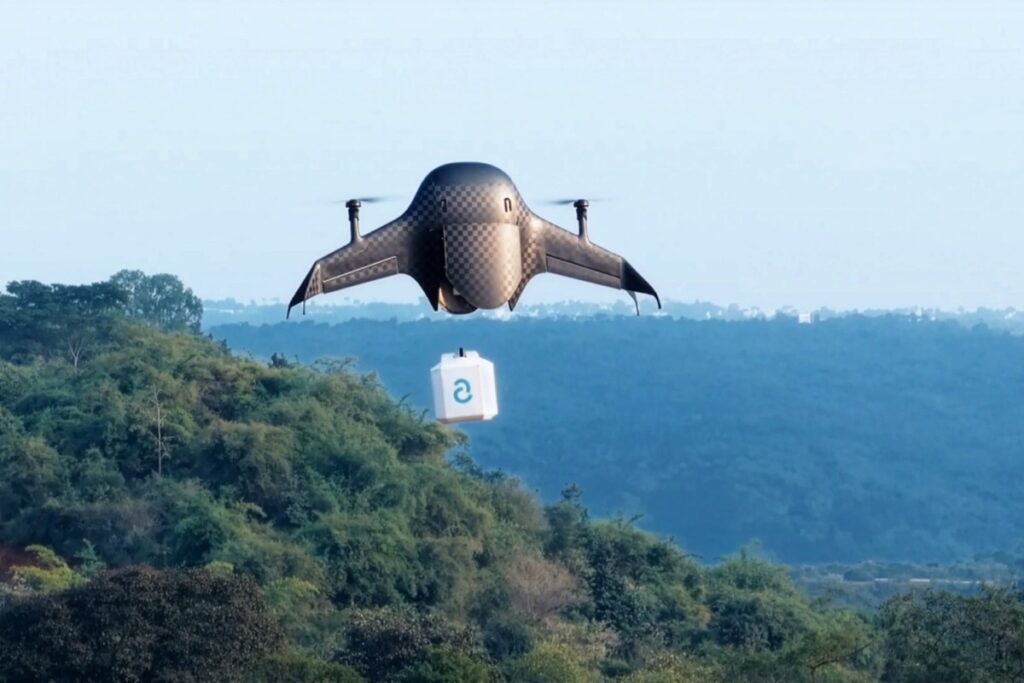
Airbound’s technology hinges on a carbon‑fiber airframe and a proprietary propulsion system that mimics the thrust‑to‑weight ratio of a small rocket. The drones weigh under 2 kilograms, enabling them to lift parcels up to 2 kg at speeds exceeding 120 km/h. By reducing the mass of the vehicle, the startup claims it can slash energy consumption by up to 70 % compared with conventional delivery vans, a claim corroborated by an internal study released last month.
The $37 million funding round and its backers
In early August 2026, Airbound closed a Series A round that raised $37 million, led by Greenoaks Capital, with participation from DoorDash’s venture arm and Silicon Valley investor Lachy Groom. The capital infusion is earmarked for scaling the manufacturing line, expanding the test fleet in India’s Tier‑2 cities, and building a software platform that integrates with e‑commerce partners. Greenoaks’ partner, Andrew Lee, said the investment reflects confidence that “lightweight aerial logistics can become a mainstream substitute for the last mile in emerging markets.”
DoorDash’s involvement is particularly noteworthy because the U.S. food‑delivery giant is actively exploring cross‑border logistics solutions. According to a statement from DoorDash, the partnership will allow the company to trial Airbound’s drones in Indian markets where road congestion often hampers delivery speed. Lachy Groom, known for backing several climate‑focused startups, highlighted the environmental upside, noting that Airbound’s drones emit roughly one‑tenth the CO₂ of a diesel‑powered van per kilometre.
Why ultra‑light drones could reshape logistics
Traditional delivery trucks carry heavy payloads but suffer from fuel costs, traffic bottlenecks, and emissions penalties that are tightening worldwide. Airbound’s approach flips the equation: by sacrificing cargo capacity for speed and energy efficiency, the drones can serve high‑frequency, low‑weight shipments such as grocery orders, medical supplies, and e‑commerce parcels. Industry analysts at Gartner predict that by 2030, lightweight aerial vehicles could handle up to 15 % of all urban deliveries in dense cities, a shift that would relieve pressure on road networks.
The technology also opens a path to “on‑demand” micro‑fulfilment hubs. Because the drones can launch from rooftops or small depots, companies no longer need large distribution centres on the city outskirts. This decentralisation could reduce delivery windows from days to under an hour, a promise that resonates with consumers accustomed to instant gratification from platforms like Amazon and Swiggy.
What the rise of Airbound means for Africa
Africa’s logistics landscape faces many of the same hurdles Airbound aims to solve: poor road infrastructure, high fuel prices, and a growing e‑commerce sector that struggles with last‑mile delivery. In Kenya, for example, the average cost of a parcel delivery can exceed $10, largely due to long distances and limited carrier options. Ultra‑light drones that can bypass roads could dramatically lower these costs, especially for time‑critical goods such as vaccines or perishable food.
Several African startups have already piloted drone deliveries—Zipline’s medical‑supply network in Rwanda and Ghana, and Nigeria’s Nairaland‑backed FlytBase platform. Airbound’s entry adds a new competitive pressure that could accelerate local innovation. If the company partners with African logistics firms or opens a regional R&D hub, it could transfer its carbon‑fiber manufacturing know‑how, creating jobs in advanced materials engineering across the continent. Moreover, the involvement of a global player like DoorDash may bring capital and expertise that help African regulators craft safety standards faster.
The road ahead: scaling, regulation, and environmental impact
Airbound plans to roll out its first commercial service in the Indian states of Karnataka and Maharashtra by the end of 2026, targeting urban neighbourhoods where traffic congestion peaks during monsoon season. The startup is also negotiating with India’s Directorate General of Civil Aviation (DGCA) for a special‑purpose airspace corridor that would allow drones to operate beyond the current 120‑metre altitude limit. Successful approval could set a precedent for other emerging markets seeking similar regulatory pathways.
Beyond India, the environmental argument may become a decisive factor for investors. A recent report from the International Energy Agency estimates that logistics accounts for 8 % of global CO₂ emissions, and that a shift to low‑weight aerial delivery could cut that share by up to 2 % by 2035. If Airbound can prove its emissions advantage at scale, it may attract further green‑funding, positioning the company at the intersection of technology, climate policy, and inclusive commerce.
Quick Answers
How much funding did Airbound raise and who are the main investors?
Airbound closed a $37 million Series A round led by Greenoaks Capital, with participation from DoorDash’s venture arm and investor Lachy Groom.
What makes Airbound’s drones different from other delivery drones?
The drones are ultra‑lightweight (under 2 kg), use a rocket‑like propulsion system, and can carry parcels up to 2 kg at speeds over 120 km/h, offering higher energy efficiency than heavier delivery drones.
Could Airbound’s model help solve delivery challenges in African cities?
Yes; by bypassing congested roads, the lightweight drones could lower delivery costs and times for high‑frequency, low‑weight shipments, complementing existing African drone initiatives.
Source: techcrunch.com




💬 Comments 0