SEC probes AI hedge fund Situational Awareness after near‑collapse, 2026 fallout
Background: AI hedge funds and the hype
The past few years have seen a surge of hedge funds that claim to use artificial intelligence to out‑smart markets. After the 2022 AI boom, investors poured capital into firms promising algorithmic edge, even as many of those models remained opaque and untested. The allure was simple: machines could process vast data streams faster than any human trader, theoretically delivering outsized returns with lower risk.
At the same time, regulatory oversight struggled to keep pace. The U.S. Securities and Exchange Commission (SEC) had issued only broad guidance on algorithmic trading, leaving a gray area for funds that marketed their AI as a proprietary secret. This vacuum encouraged a wave of “AI‑first” funds that marketed hype as performance, attracting both institutional money and retail investors eager to ride the next tech wave.
The rise and near‑collapse of Situational Awareness
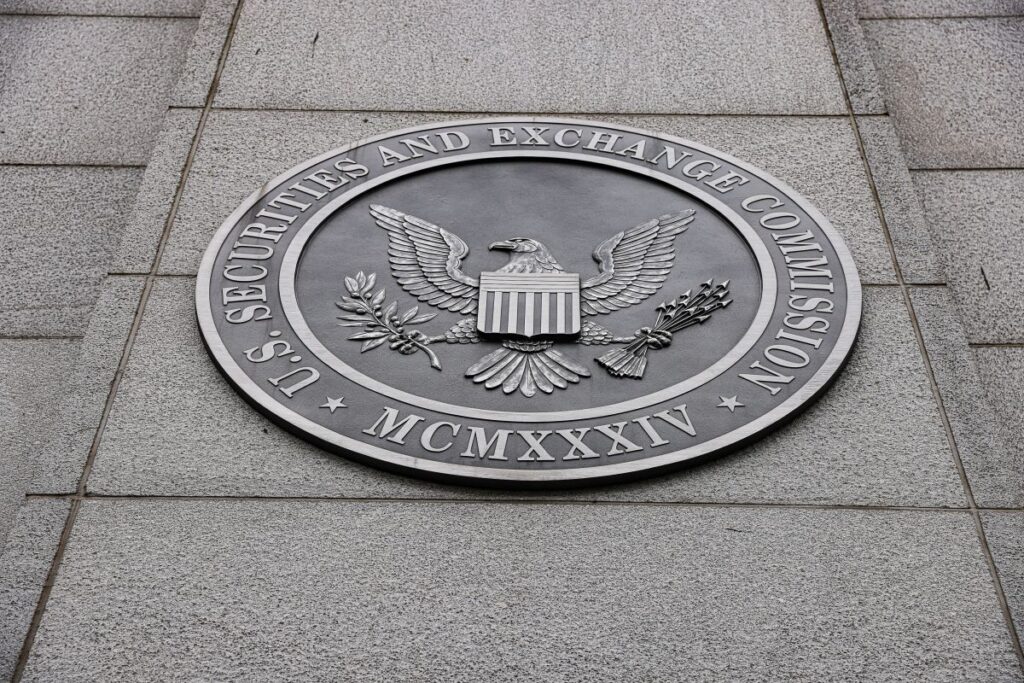
The turmoil caught the attention of regulators. In September 2025 the SEC issued subpoenas to the fund’s senior executives, demanding emails, model documentation, and client communications. The agency’s focus is on whether the fund misrepresented its AI capabilities and whether it complied with disclosure rules for material risks. As the investigation unfolded, several of the fund’s major backers publicly withdrew support, amplifying the pressure on the already strained operation.
Why the SEC probe matters for investors worldwide
The SEC’s intervention signals a shift from passive tolerance of AI‑centric claims to active enforcement. For investors, the case underscores the danger of relying on opaque technology without independent verification. Even sophisticated institutions can be swayed by performance numbers that lack transparent methodology, a lesson that resonates across asset classes.
Beyond individual losses, the probe could reshape how hedge funds disclose algorithmic strategies. Analysts predict that future prospectuses will need to include clear risk metrics, model validation procedures, and third‑party audits. If the SEC pursues civil penalties, the financial industry may see a wave of compliance costs, potentially slowing the rush of new AI funds but also encouraging higher standards of accountability.
Implications for Africa’s emerging AI and fintech scene
African sovereign wealth funds and diaspora investors have increasingly allocated portions of their portfolios to US hedge funds seeking higher yields. The Situational Awareness debacle serves as a stark reminder that cross‑border exposure to opaque AI strategies can amplify risk for African capital pools that are still building their own risk‑management frameworks. Some African pension funds are already reviewing their due‑diligence checklists to include AI model transparency as a non‑negotiable criterion.
At the same time, the episode could accelerate home‑grown AI fintech innovation on the continent. Regulators in Kenya, Nigeria, and South Africa have been debating how to balance encouragement of AI‑driven financial services with consumer protection. The SEC’s actions may provide a template for African securities authorities to demand clearer disclosures from local AI‑powered trading platforms, fostering a more sustainable ecosystem that avoids the “black‑box” pitfalls seen in the US.
What’s next: regulation, market sentiment and lessons learned
The immediate future for Situational Awareness hinges on the SEC’s findings. If the agency determines that the fund breached securities laws, it could face hefty fines, disgorgement of profits, and possible bans on future fund management. Such outcomes would likely trigger a broader industry audit, with other AI‑focused funds pre‑emptively tightening their reporting to avoid similar scrutiny.
For investors, the key takeaway is to demand transparency, not just performance. As AI continues to permeate finance, the market will reward firms that can substantiate their models with verifiable data and robust risk controls. In Africa, the episode offers a timely catalyst for regulators and investors alike to embed those standards early, turning a cautionary story from Wall Street into a blueprint for responsible AI‑driven investing across the continent.
Quick Answers
What triggered the SEC investigation into Situational Awareness?
The fund’s alleged misrepresentations about its AI model performance and a sudden, large‑scale capital withdrawal prompted the agency to issue subpoenas.
How could the probe affect African investors in US hedge funds?
African investors with exposure to US hedge funds may face tighter due‑diligence requirements and possible losses if similar mis‑sales are uncovered.
What does this case signal for the future of AI‑driven investing?
It suggests regulators will scrutinise AI claims more closely, pushing firms to prove algorithmic transparency and robust risk controls.
Source: techcrunch.com




💬 Comments 0