Indonesian Babuda market fire 2026 kills 11, six children – what it means for African informal economies
Background: Babuda market and its role in the local economy
Babuda, a village in Central Java’s Magelang Regency, relies heavily on its weekly open‑air market for food, textiles and small‑scale manufacturing. The market, which draws roughly 2,000 shoppers each Saturday, is a lifeline for farmers and artisans who lack formal retail outlets. According to the Magelang Regency Development Agency, over 70% of the village’s income is generated through market transactions, a pattern mirrored across many Indonesian towns.
Informal markets like Babuda’s are not unique to Indonesia; they form the backbone of Africa’s urban and rural economies as well. The African Development Bank estimates that informal trade accounts for up to 80% of employment in sub‑Saharan Africa. This parallel makes the Indonesian tragedy a useful lens for examining safety standards in similar settings across the continent.
What happened: The blaze and its immediate toll
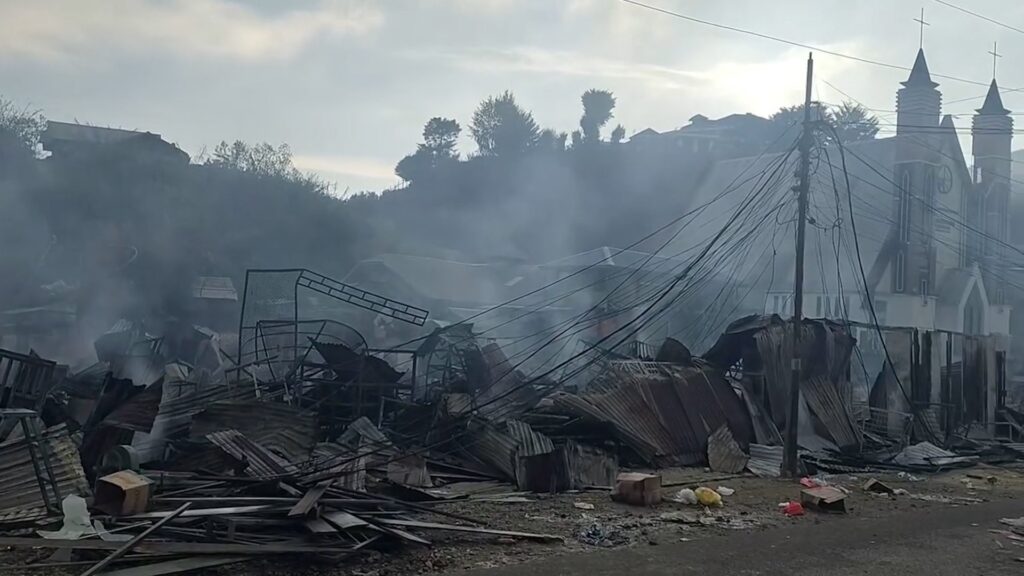
On the morning of 6 September 2026, a fire erupted near a cluster of wooden stalls selling cooking oil and kerosene. Witnesses say a faulty electrical line sparked the flames, which quickly spread through the tightly packed stalls. Local fire crews arrived after a 20‑minute delay, hampered by narrow alleys and the lack of a nearby hydrant. The blaze claimed eleven lives, six of them children under the age of twelve, according to the Indonesian Ministry of Health.
Emergency responders rescued dozens of injured shoppers, but the market’s makeshift structures offered little protection. The Indonesian Red Cross reported that many victims suffered severe burns because of the close proximity of flammable goods. The fire destroyed roughly 150 stalls, wiping out an estimated 3.5 billion rupiah (about US$230 000) worth of merchandise in a single day.
Why it matters: Safety gaps in informal markets across Asia and Africa
The Babuda tragedy underscores a chronic safety gap in informal trading zones where fire codes are rarely enforced. In Indonesia, only 15% of permanent market buildings meet national fire‑safety standards, according to a 2024 audit by the National Fire Protection Agency. Similar audits in Kenya and Nigeria have revealed compliance rates below 20%, meaning the majority of market traders operate without proper exits, extinguishers or electrical inspections.
Children are disproportionately affected because many families bring their kids to help sell goods, a practice common in both Indonesian villages and African townships. A 2023 study by UNICEF on child labor in African markets found that 38% of children working in informal stalls are exposed to hazardous conditions, including fire risk. The loss of six children in Babuda therefore resonates with a broader, under‑reported child‑safety crisis in informal economies worldwide.
Regional ripple effects: From Indonesian exports to African consumers
While the fire primarily devastated local traders, its impact may ripple into African markets that import Indonesian goods such as spices, textiles and processed foods. Trade data from the International Trade Centre shows that Indonesia exported US$1.2 billion worth of consumer goods to Africa in 2025, with a notable share destined for Kenya, Tanzania and South Africa. A temporary disruption in supply chains from Central Java could tighten prices for these commodities on the continent, especially during the upcoming Ramadan season when demand spikes.
Moreover, the incident has prompted NGOs in both regions to call for a joint “informal‑market safety charter.” Representatives from the Asian Development Bank and the African Union’s Economic, Social and Cultural Council met in Jakarta last month to discuss shared standards for fire prevention, waste management and child protection. If adopted, such a charter could harmonise safety protocols, making cross‑regional trade smoother and reducing the risk of similar tragedies.
What comes next: Policy responses and lessons for the continent
The Indonesian government announced a three‑month emergency fund to rebuild Babuda’s market and provide cash grants to affected families. More importantly, the Ministry of Public Works pledged to audit 500 informal market sites nationwide for fire‑safety compliance within the next year. Critics argue that without a clear enforcement mechanism, these audits risk becoming paperwork, echoing past promises that fell flat after the 2022 fire in Surabaya’s Pasar Genteng.
For African policymakers, the Babuda fire offers a cautionary tale and a template for action. Several city councils in Ghana and Uganda have already begun pilot projects that install solar‑powered fire‑extinguishing systems in dense market districts. If these pilots prove effective, they could be scaled up across the continent, turning a tragic Indonesian event into a catalyst for safer, more resilient informal economies in Africa.
Quick Answers
How many people died in the Babuda market fire?
Eleven people, including six children, were confirmed dead after the fire on 6 September 2026.
Why are market fires common in Indonesia and Africa?
Most informal markets lack proper electrical wiring, fire exits and extinguishers, making them vulnerable to accidental blazes.
Will the Babuda fire affect African consumers?
Potentially, because Indonesia supplies spices and textiles to Africa; any supply disruption could raise prices for those goods on the continent.
Source: www.aljazeera.com




💬 Comments 0