Inter Miami to host 2024 Messi Cup second edition in South Florida with Barcelona
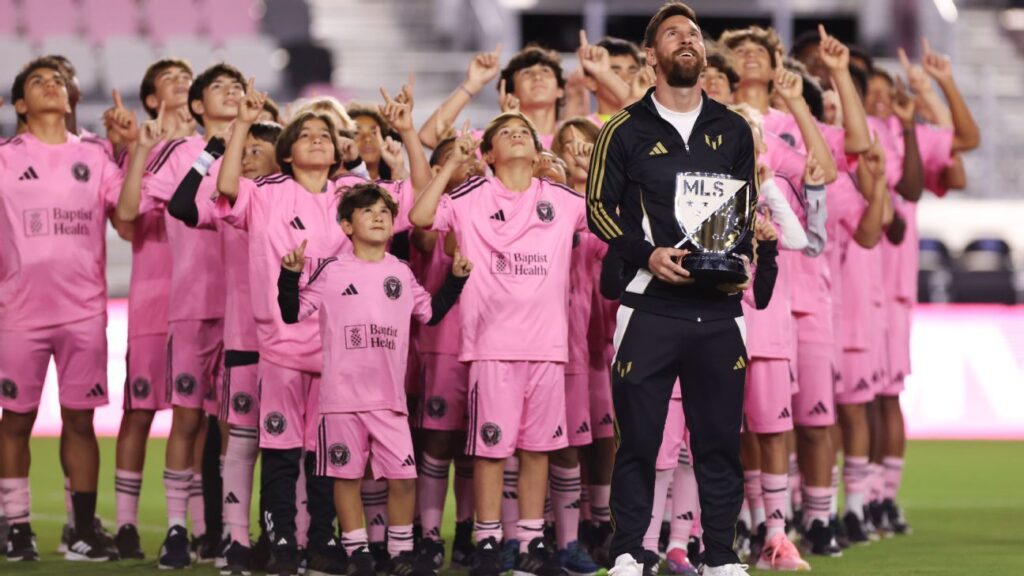
Background: Messi’s expanding role in US soccer
When Lionel Messi announced his move to Inter Miami in 2023, the transfer was hailed as a watershed moment for Major League Soccer (MLS). Beyond the on‑field impact, Messi’s presence has accelerated commercial deals, boosted attendance, and drawn global media attention to a league that has traditionally struggled for worldwide relevance. The club’s ownership, led by former England international David Beckham, has leveraged the Argentine star’s brand to secure sponsorships from tech firms and luxury retailers eager to tap into the South‑Florida market. This momentum set the stage for a new venture that could turn Miami into a hub for youth football development.
The United States already hosts a handful of high‑profile youth tournaments, but few have combined the star power of a global icon with direct participation from elite European academies. Messi’s involvement signals a shift from purely commercial exhibition matches toward a more structured pathway for young talent, echoing the model used by European clubs that run satellite tournaments to scout and nurture future stars.
The Messi Cup concept and its 2024 launch
The Messi Cup is positioned as an international, invitational tournament for under‑15 and under‑17 teams. The inaugural edition took place in January 2023, featuring eight clubs and drawing modest media coverage. For its second edition, Inter Miami has expanded the field to 16 teams, adding Barcelona’s famed La Masia academy and youth squads from 14 other clubs across Europe, South America, and Africa. Matches will be staged at Inter Miami’s training complex and at the historic Hard Rock Stadium, giving participants exposure to professional‑grade facilities.
According to a press release from Inter Miami, the tournament will run over ten days in late July, aligning with the North American school vacation period to maximise family attendance. Organisers promise a “Messi‑inspired” curriculum that includes technical clinics, leadership workshops, and a charitable component focused on grassroots football in underserved Miami neighborhoods.
Why the tournament matters for African talent and the diaspora
South Florida is home to one of the largest West African diaspora communities in the United States, with Nigerians, Ghanaians, and Senegalese forming a vibrant cultural and sporting scene. By inviting African clubs and academy teams, the Messi Cup offers a rare platform for these youngsters to showcase their abilities in front of MLS scouts, European talent‑identification networks, and a global audience anchored by Messi’s name. Historically, African prospects have relied on sporadic exposure at U‑17 World Cups or occasional scouting trips; a recurring, high‑profile tournament could change that dynamic.
Moreover, the tournament’s charitable arm pledges to fund equipment drives for Miami’s inner‑city schools, many of which serve children of recent African immigrants. If successful, the Messi Cup could become a pipeline that not only feeds talent into MLS academies but also strengthens community ties, encouraging diaspora families to view professional football as a viable career route for their children.
Business and branding implications for Inter Miami and MLS
From a commercial perspective, the Messi Cup is a strategic move to embed Inter Miami deeper into the youth‑sport ecosystem, creating year‑round relevance beyond the senior team’s match calendar. Sponsors such as Apple and adidas have already expressed interest in attaching their names to the tournament’s broadcast package, which will be streamed on both MLS’s digital platform and a dedicated YouTube channel. This multi‑platform approach is designed to capture the attention of Gen‑Z viewers who consume sports content on mobile devices.
For MLS as a whole, the tournament serves as a proof‑of‑concept for a continent‑wide youth circuit that could eventually rival the UEFA Youth League. If the Messi Cup demonstrates strong ticket sales, high‑quality competition, and measurable scouting outcomes, league officials may consider expanding the model to other markets, potentially linking it with the existing MLS Next system that already nurtures domestic talent.
What comes next: future editions and broader impact
Organisers have hinted that the 2025 edition could rotate to another MLS city, perhaps Atlanta or Los Angeles, to broaden geographic reach. They also plan to introduce a women’s youth bracket, reflecting growing demand for gender‑balanced development pathways. If these ambitions materialise, the Messi Cup could become a cornerstone of North American football development, influencing how clubs worldwide scout and invest in young players.
In the short term, the success of the 2024 edition will be measured by attendance figures, media reach, and the number of players who secure trials with professional clubs afterward. Early reports from participating coaches suggest that the tournament’s technical workshops, led by former Barcelona and Inter Miami staff, are already being praised for raising the tactical IQ of the youngsters. Should those testimonials translate into tangible career moves, the Messi Cup will have justified its lofty branding and secured a place on the calendar of any African family hoping to see their child compete on a global stage.
Quick Answers
When and where is the 2024 Messi Cup being held?
The second edition of the Messi Cup runs in late July 2024 in South Florida, with games at Inter Miami’s training complex and Hard Rock Stadium.
Which African teams are participating in the Messi Cup?
The tournament includes youth squads from several African clubs, though the exact list has not been disclosed; organisers have confirmed representation from at least two West African academies.
How can the Messi Cup affect African players’ chances of joining MLS?
By showcasing talent in front of MLS scouts and providing high‑visibility exposure, the Messi Cup creates a direct pathway for African youngsters to earn trials with MLS academies or secure professional contracts.
Source: www.espn.com




💬 Comments 0