Iran-GCC summit in Oman 2026: Why Bahrain stayed away and what it means for African oil markets
Background: Iran‑GCC relations and the Oman venue
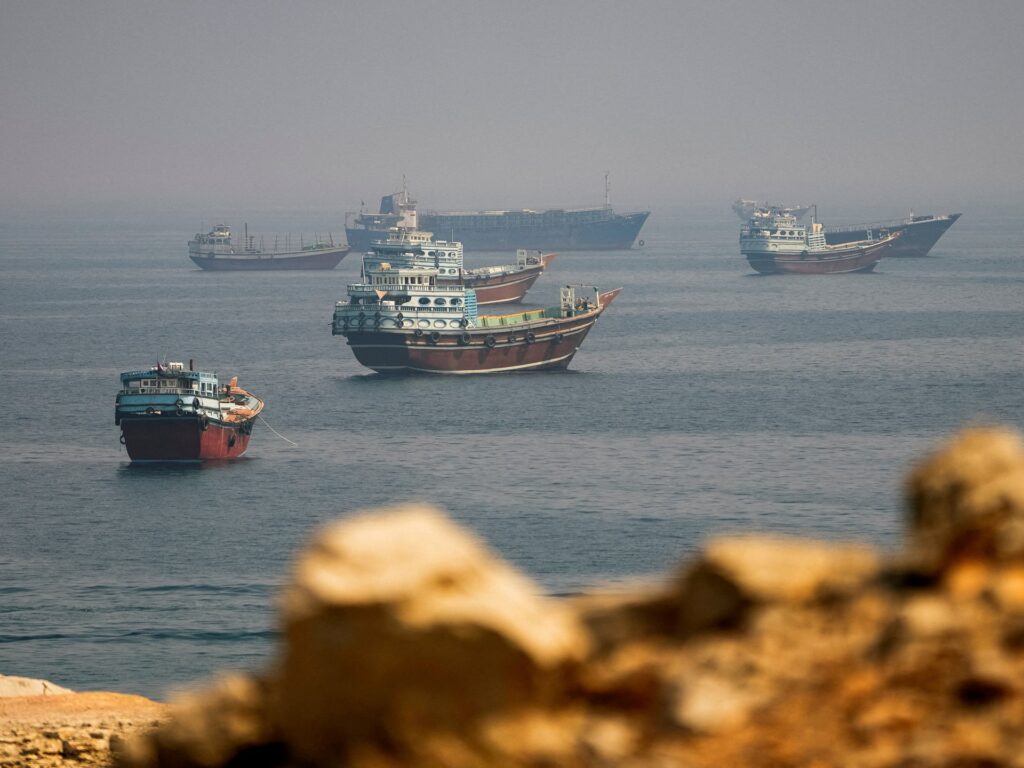
Since the 2015 nuclear deal, Iran has been trying to break out of diplomatic isolation by reaching out to its Gulf neighbours. The latest overture centres on a three‑day summit scheduled for late October in Muscat, where Iran will meet Iraq and several Gulf Cooperation Council (GCC) members under Omani mediation. Oman has long positioned itself as a neutral bridge between Tehran and the Gulf, hosting back‑channel talks on everything from maritime security to the Yemen conflict. The venue signals Iran’s desire for a low‑key setting that can accommodate both hard‑line critics and cautious partners.
The invitation list initially included Saudi Arabia, the United Arab Emirates, Kuwait, Qatar and Oman itself, with the expectation that the gathering would focus on shared concerns such as the safety of shipping lanes in the Strait of Hormuz and the rising threat of extremist groups. Iran’s foreign ministry has framed the meeting as a “regional security forum” aimed at de‑escalating tensions that have risen after Tehran’s recent ballistic‑missile tests and its vocal support for the Houthi rebels in Yemen.
Analysts note that the timing coincides with the final stages of negotiations over the Joint Comprehensive Plan of Action (JCPOA) extensions, where European powers are pressing Tehran for greater transparency. By convening the summit in Oman, Iran hopes to demonstrate a willingness to engage in multilateral dialogue, potentially softening the narrative that it is solely a regional aggressor.
Why Bahrain stayed away: political calculations
Bahrain’s absence has been the most conspicuous omission, prompting speculation across regional media. The island nation, a close ally of Saudi Arabia and host to the United States Fifth Fleet, has repeatedly condemned Iran’s support for the Houthis and its alleged interference in Bahrain’s internal politics. In a statement released by Bahrain’s foreign ministry, officials said the country would not attend “any forum that does not explicitly address Iran’s destabilising activities.”
Beyond the public rhetoric, insiders say the decision is also tied to domestic politics. Bahrain’s ruling Al Khalifa family faces ongoing protests from the Shi’a majority, who have historically looked to Iran for moral support. By refusing to sit at the same table as Tehran, the monarchy aims to signal to its own dissenters that it will not compromise on national sovereignty, while also aligning with Saudi pressure to isolate Iran diplomatically.
The move also reflects a broader GCC split. While the United Arab Emirates and Qatar have signalled openness to dialogue, Saudi Arabia is cautiously supportive but insists on pre‑conditions such as a freeze on Iran’s missile program. Bahrain’s hard‑line stance therefore underscores the uneven willingness among Gulf states to engage with Tehran, a factor that could shape the summit’s outcomes.
What the summit could mean for regional security
If the talks produce concrete agreements, the most immediate impact could be a reduction in naval incidents around the Strait of Hormuz, a chokepoint through which roughly 20 % of global oil passes. Iran has previously threatened to close the strait in response to sanctions, a move that would spike oil prices worldwide. A joint security framework, even a limited confidence‑building measure, could reassure shipping companies and lower freight insurance premiums that have surged since 2023.
Security experts also point to the possibility of a coordinated approach to the Yemen war. Iran’s backing of the Houthi rebels has prolonged the conflict, affecting humanitarian aid deliveries and destabilising the Red Sea corridor. A GCC‑Iran dialogue could lay the groundwork for a ceasefire or at least a de‑escalation mechanism, which would benefit the United Nations and regional NGOs working on the ground.
However, skeptics warn that any agreement will likely be fragile. Iran’s recent missile tests and its refusal to fully halt support for proxy groups suggest that Tehran may use the summit more as a public‑relations platform than as a venue for substantive concessions. The presence of Iraqi officials adds another layer, as Baghdad balances its own ties to Tehran with its western‑aligned government, potentially acting as a moderating influence or a spoiler, depending on internal politics.
Ripple effects on African economies and the diaspora
African oil exporters such as Nigeria, Angola and Ghana watch Gulf diplomacy closely because any shift in Hormuz traffic directly influences crude prices. A de‑escalation could stabilise the benchmark Brent price, which has hovered around $85 per barrel since mid‑2026, protecting revenue streams that fund infrastructure projects across West Africa. Conversely, renewed tension would likely push prices above $100, benefitting oil‑rich states but also raising fuel costs for land‑locked neighbours like Mali and Burkina Faso.
The Red Sea route, vital for East African exporters of coffee, tea and minerals, is another point of concern. Houthi attacks on container ships have already forced some shippers to reroute around the Cape of Good Hope, adding weeks and thousands of dollars to transit times. If the Oman summit leads to a security pact that curbs Houthi aggression, East African ports such as Mombasa and Djibouti could see a resurgence in cargo volumes, boosting local economies and creating jobs.
For the African diaspora in the Gulf, particularly the sizable Nigerian and Ghanaian communities employed in construction and services, the summit’s outcome may affect labor mobility. A cooler diplomatic climate could ease visa restrictions that some Gulf states have tightened in response to security fears. Moreover, a stable environment encourages Gulf‑based investors to look toward Africa for new projects, potentially opening channels for joint ventures in renewable energy and agribusiness.
Looking ahead: scenarios and next steps
Analysts outline three plausible scenarios after the Oman summit. In the best‑case scenario, the participants sign a non‑binding declaration on maritime safety and agree to a joint monitoring centre in Muscat, paving the way for more formal talks on missile limits and proxy activities. Such a development would likely be welcomed by European and Asian markets, leading to a modest dip in oil volatility and a boost to African export forecasts for 2027.
A middle‑ground outcome would see the summit end with a series of working groups but no headline‑grabbing commitments. This would keep diplomatic channels open while leaving core disputes unresolved. African economies would experience limited immediate impact, but the continued dialogue could still provide a platform for future cooperation on trade corridors and investment flows.
The worst‑case scenario involves a breakdown of talks amid accusations of bad‑faith bargaining, prompting the GCC to issue a joint statement condemning Iran’s “destabilising behaviour.” Such a fallout could reignite sanctions, trigger a spike in oil prices and exacerbate security threats to shipping lanes, directly hurting African oil revenues and increasing freight costs for East African exporters. In that context, governments across the continent would likely accelerate diversification efforts, seeking alternative markets and renewable‑energy partnerships.
Quick Answers
Why is Bahrain not attending the Iran‑GCC summit in Oman?
Bahrain says it will not join any forum that does not address Iran’s support for the Houthis and alleged interference in its internal affairs, reflecting both security concerns and domestic political calculations.
How could the summit affect oil prices for African exporters?
If the talks lead to reduced tensions in the Strait of Hormuz, oil prices could stabilise around $85‑$90 per barrel, supporting revenue for African exporters; renewed conflict would likely push prices above $100, benefiting producers but raising costs for import‑dependent economies.
What role does Oman play in Iran‑GCC diplomacy?
Oman acts as a neutral mediator, offering a low‑profile venue for back‑channel talks and often hosting negotiations on maritime security and regional conflicts between Tehran and Gulf states.
Source: www.aljazeera.com


💬 Comments 0