Iran regime entrenched after six months of war, impact on African oil markets and diplomatic ties in 2026
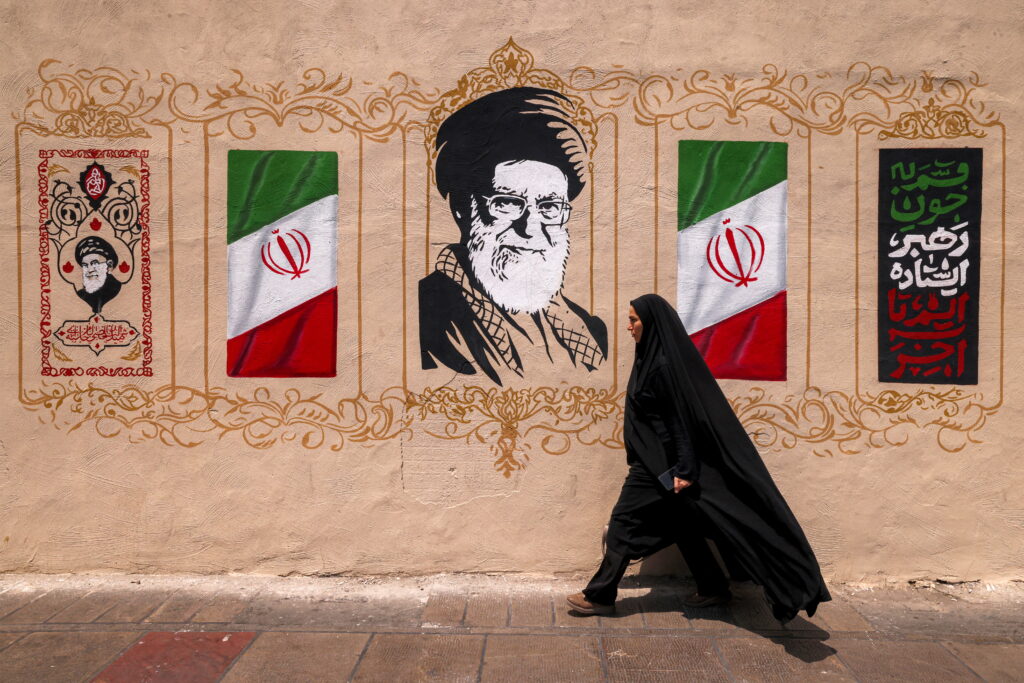
Six months on: the war that tested Iran’s regime
The conflict that erupted in February 2026 between Iran and Israel – sparked by a series of missile exchanges and cyber‑attacks – entered its sixth month in August. Tehran’s decision to launch a coordinated barrage of drones and ballistic missiles across the region marked a dramatic escalation, prompting a swift response from Israel and a cascade of retaliatory strikes from U.S. forces stationed in the Gulf. While the fighting has been largely confined to airspace and maritime corridors, the economic and political fallout has rippled far beyond the immediate battleground.
Despite early predictions that the war would topple Tehran’s hard‑line leadership, the Iranian regime has shown an unexpected capacity to consolidate power. Domestic security forces have tightened surveillance, and the Revolutionary Guard has taken a more visible role in both military planning and civilian governance. According to a report from the Iranian News Agency, the regime has also mobilised reserve units and increased recruitment drives, signaling an intention to sustain a prolonged defensive posture.
International observers, including analysts at the International Crisis Group, note that the war has not only failed to destabilise Iran internally but has also hardened its ideological stance. The government has framed the conflict as a fight against external aggression, rallying nationalist sentiment and portraying any dissent as treason. This narrative has helped the regime maintain a grip on power even as sanctions tighten and the economy strains under war‑related costs.
Why Tehran’s hardening matters beyond the Middle East
Iran remains a pivotal player in the global oil market, and its continued defiance has immediate consequences for African economies that depend on petroleum imports. In the first quarter of 2026, African oil‑importing nations such as Nigeria, Ghana and Kenya accounted for roughly 12 % of Iran’s crude exports, according to data from the International Energy Agency. With the war disrupting shipping lanes in the Strait of Hormuz, freight rates have surged, pushing up the price of Iranian oil on the spot market and forcing African refiners to seek costlier alternatives.
The heightened volatility has also intensified competition for alternative supplies from Russia and the United States, reshaping trade patterns across the continent. For countries like South Africa, which imports a significant share of its fuel from the Middle East, the uncertainty has prompted the government to accelerate its strategic petroleum reserve program, a move echoed by the African Union’s Energy Committee in a statement released earlier this month. The committee warned that prolonged instability in the Persian Gulf could threaten energy security for the entire continent.
Beyond oil, Iran’s entrenched regime continues to fund proxy groups in Lebanon, Yemen and the Sahel, where Iranian‑backed militias have been active in the fight against extremist organisations. This support, while often covert, influences security dynamics in fragile African states such as Mali and Burkina Faso, where local actors sometimes align with Tehran’s ideological agenda in exchange for weapons and training. Analysts at the Institute for Security Studies argue that Iran’s persistence in the war could embolden these proxies, complicating regional counter‑terrorism efforts.
African ties with Iran: trade, diaspora, and diplomatic calculus
Economic links between Iran and Africa pre‑date the current conflict, with Tehran historically investing in infrastructure projects ranging from railways in Sudan to agricultural ventures in Ethiopia. A 2025 memorandum of understanding between Iran’s Ministry of Agriculture and Ethiopia’s Ministry of Trade outlined joint irrigation schemes that were expected to boost food security for both parties. Although many of these projects have stalled due to sanctions, the underlying diplomatic rapport remains a factor in how African states navigate the war.
The Iranian diaspora in Africa, estimated at around 150,000 individuals by the World Migration Report, also plays a subtle yet influential role. Communities in South Africa’s Gauteng province and Kenya’s Nairobi region have established cultural and business networks that facilitate trade and investment. According to a study by the African Development Bank, diaspora‑led enterprises contributed roughly $1.2 billion to intra‑African trade in 2025, indicating that any disruption to Iranian capital flows could reverberate through these micro‑economies.
Politically, several African nations have adopted a cautious stance, balancing criticism of Iran’s militaristic actions with the desire to preserve longstanding bilateral ties. Sudan, for instance, has called for a cease‑fire at the African Union’s summit in Addis Ababa, emphasizing the need for “regional stability over partisan alignments.” Meanwhile, Nigeria’s foreign ministry has reiterated its support for UN‑mandated diplomatic solutions, reflecting a broader trend among African states to avoid being drawn into great‑power confrontations while safeguarding their own strategic interests.
The resilience of authoritarian regimes: a global pattern
Iran’s ability to remain entrenched after six months of war mirrors a wider phenomenon observed in other authoritarian contexts. Recent research from the Carnegie Endowment highlights how regimes in Russia, China and Venezuela have leveraged external conflicts to reinforce internal control, using nationalism and state‑controlled media to suppress dissent. In each case, war‑time rhetoric has been employed to justify emergency powers, tighten censorship and marginalise opposition voices.
The Iranian experience also underscores the role of elite cohesion in regime survival. The Revolutionary Guard’s integration into the economy—through construction contracts, telecom ventures and oil‑field services—has created a vested interest in maintaining the status quo. As a result, the leadership can draw upon a powerful patronage network that buffers against popular unrest, a dynamic similarly noted in Russia’s defense‑industrial complex and China’s state‑owned enterprises.
For African observers, these patterns serve as cautionary tales. Nations that host or depend on authoritarian allies risk inheriting the same mechanisms of repression, especially when external conflicts provide a pretext for tighter security measures. The African Union’s recent resolution on “Human Rights in Times of Conflict” explicitly references the need to monitor how partner states may exploit war to erode civil liberties, a concern that resonates with Iran’s current trajectory.
What’s next? Scenarios for Iran and the ripple effects for Africa
Looking ahead, several plausible pathways could shape Iran’s future and its impact on the continent. One scenario envisions a negotiated cease‑fire mediated by the United Nations, which would likely ease oil‑shipping disruptions and allow African importers to re‑establish stable supply chains. In such a case, countries like Kenya and Ghana could negotiate preferential pricing for Iranian crude, offsetting the short‑term price spikes experienced during the conflict.
A second, more destabilising scenario involves an escalation that draws in additional regional powers, potentially widening the war into a broader Gulf confrontation. Should this occur, the Strait of Hormuz could face prolonged closures, forcing African nations to pivot sharply toward alternative suppliers such as Saudi Arabia or the United States. This shift would increase transport costs and could trigger inflationary pressures on fuel‑dependent economies, prompting policy responses ranging from subsidy reforms to accelerated renewable‑energy investments.
Finally, a protracted stalemate could see Iran deepening its outreach to African states as a diplomatic hedge against Western isolation. Tehran may increase aid to proxy groups in the Sahel, expand cultural exchange programmes, or offer low‑interest loans for infrastructure projects in exchange for political support at international forums. African leaders will need to weigh the short‑term benefits of Iranian engagement against the long‑term risks of aligning with a regime under heavy sanctions and international scrutiny.
Quick Answers
What war has Iran been involved in for six months as of August 2026?
Iran has been engaged in an armed conflict with Israel that began in February 2026, featuring missile exchanges, drone attacks and cyber‑operations.
How could Iran’s entrenched regime affect African oil markets?
Disruptions to Iranian oil shipments raise global crude prices, forcing African importers to seek costlier alternatives and prompting governments to boost strategic reserves.
Which African countries have the strongest economic ties with Iran?
Sudan, Nigeria, Kenya, Ghana and Ethiopia maintain notable trade links with Iran, ranging from oil imports to joint infrastructure and agricultural projects.
Source: www.npr.org



💬 Comments 0