Iran Targets US-UAE Oil Shuttle in Strait of Hormuz, Raising 2026 Oil Supply Risks
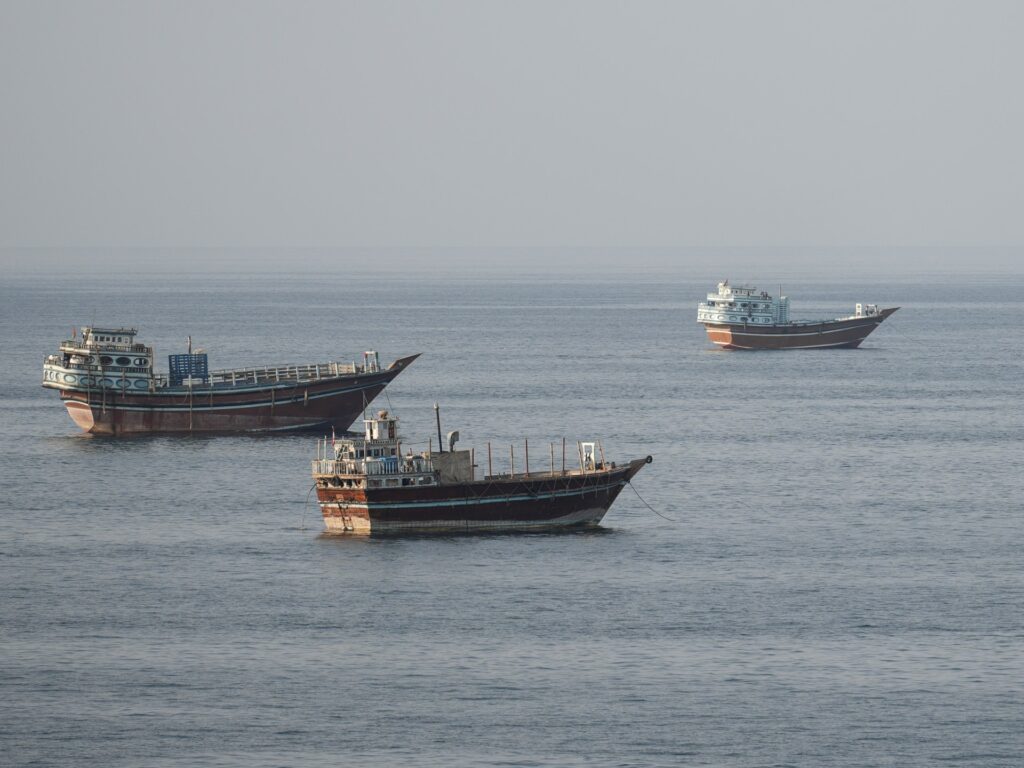
Background: The strategic choke point and Iran’s new naval posture
The Strait of Hormuz remains one of the world’s most vital maritime arteries, funneling roughly 20 percent of daily global oil flows. Any disruption there reverberates across continents, from the Gulf economies to the fuel pumps in Lagos and Nairobi. Since late 2023, Iran’s Islamic Revolutionary Guard Corps (IRGC) has stepped up a campaign of asymmetric naval warfare, using fast attack craft and unmanned drones to harass commercial vessels that it deems linked to hostile states.
In the past year, Tehran has issued a series of warnings that any ship transporting oil destined for the United States or its allies would be treated as a legitimate target. The rhetoric intensified after Washington re‑imposed secondary sanctions on Iran’s oil sector in early 2026, tightening the economic squeeze on Tehran. The IRGC’s latest focus is a shuttle service jointly operated by U.S.‑based tankers and United Arab Emirates (UAE) ports, which moves crude from the Persian Gulf to Asian refiners while bypassing Iranian ports.
The shuttle, described by maritime analysts as a “high‑frequency, low‑volume” operation, typically carries about 300,000 barrels per voyage and relies on a tightly scheduled rotation to keep oil markets supplied. Its visibility on satellite tracking platforms made it a convenient target for Iran, which claims the service helps fund U.S. military logistics in the region.
What happened: IRGC attacks on the US‑UAE shuttle
On 10 October 2026, IRGC‑aligned fast boats launched a coordinated raid on a tanker identified as the MV Liberty Sun, part of the US‑UAE shuttle. According to a statement released by the IRGC, the vessels were “engaged with hostile intent” and forced to abandon their cargo. The tanker reported minor hull damage but no crew injuries, and it was escorted to safety by a UAE‑flagged patrol vessel.
U.S. Central Command confirmed that the incident was being investigated as a potential act of aggression, while the UAE’s Ministry of Foreign Affairs condemned the “unlawful use of force” and called for an emergency maritime security meeting in Abu Dhabi. Shipping insurers responded within hours, raising premiums for vessels transiting the Hormuz corridor by roughly 15 percent, a level not seen since the 2019 oil price shock.
The attack marks the first confirmed IRGC strike on a shuttle explicitly linked to both the United States and the UAE. Earlier in the year, Iran had claimed responsibility for missile launches that damaged a South Korean carrier, but those incidents were not tied to a specific commercial oil route.
Why it matters: Ripple effects on global and African oil markets
Even though the shuttle moves a modest volume compared with the massive super‑tankers that dominate Hormuz traffic, its disruption signals a broader willingness by Iran to jeopardize any oil flow that benefits Washington. Analysts at the International Energy Agency warned that a sustained campaign could push daily Hormuz‑borne shipments down by up to 500,000 barrels, tightening global supply and nudging Brent crude toward $95 a barrel.
For African oil exporters and importers, the stakes are immediate. Nigeria, Angola and Ghana rely on Hormuz‑origin crude to meet a share of their refining capacity, while South Africa imports a sizable portion of its feedstock from the Gulf. Higher freight costs and insurance premiums translate into higher refinery margins, which can either boost state revenues or, if passed on, inflate local fuel prices. In 2024, a 10‑cent rise in gasoline per litre contributed to a 0.6 percent increase in Nigeria’s inflation rate, a trend that could repeat if Hormuz tensions flare.
Diaspora communities in Europe and North America, many of whom send remittances to families back home, also feel the pinch. A 5‑percent jump in global oil prices typically erodes disposable income in oil‑importing African nations, reducing the amount households can afford to spend on education, health and, indirectly, on supporting relatives abroad.
Broader pattern: Iran’s maritime strategy and the geopolitics of oil security
Iran’s recent naval aggressions fit a longer pattern of leveraging maritime leverage to extract political concessions. Since the reinstatement of U.S. sanctions in early 2026, Tehran has increasingly used proxy vessels, swarm drones and cyber‑enabled navigation interference to create a climate of uncertainty. This mirrors tactics employed by other regional powers, such as Russia’s recent attacks on Black Sea grain shipments, where the goal is to force diplomatic negotiations by threatening essential supply lines.
The United States, meanwhile, is expanding its naval presence in the Gulf, deploying additional destroyers and unmanned surface vessels to escort commercial traffic. The UAE, a key U.S. partner, has accelerated its own maritime security program, investing in high‑speed interceptors and satellite‑based early‑warning systems. These moves, however, risk an arms‑race dynamic that could make the Strait even more volatile, especially as Iran continues to develop domestically produced anti‑ship missiles.
Energy analysts note that the pattern underscores a shifting balance: traditional state‑to‑state deterrence is giving way to “gray‑zone” tactics that blur the line between war and peace. For oil markets, the implication is a higher probability of short‑term price spikes, prompting traders to hedge more aggressively and governments to diversify supply routes, such as increasing imports through the Cape of Good Hope.
What’s next: Diplomatic pathways and potential market adjustments
In the immediate term, diplomatic channels are being re‑opened. The United Nations’ Fifth Committee is slated to convene a special session on maritime security in the Gulf by the end of November, with the United States, the UAE and Iran expected to send senior envoys. If a de‑escalation agreement can be brokered—perhaps involving a limited cessation of attacks on commercial vessels in exchange for a freeze on secondary sanctions—it could stabilize the corridor before the holiday fuel demand surge.
Market participants are already adjusting. Several European refiners announced plans to temporarily shift a portion of their Hormuz‑sourced crude to alternative supplies from West Africa, while Asian buyers are negotiating longer‑term contracts with Saudi Aramco to bypass the shuttle altogether. African exporters, particularly Nigeria’s NNPC, are exploring the use of the Red Sea route via the Suez Canal as a backup, despite higher transit costs, to ensure continuity for domestic refineries.
For African policymakers, the episode is a reminder to strengthen domestic energy resilience. Investing in strategic petroleum reserves, expanding local refining capacity, and accelerating the transition to renewable energy can reduce vulnerability to external supply shocks. As the global oil landscape grows more contested, the ability to weather a Hormuz disruption will become a key metric of economic stability across the continent.
Quick Answers
What is the US‑UAE oil shuttle targeted by Iran?
It is a high‑frequency tanker service that moves about 300,000 barrels of crude per voyage from the Persian Gulf to Asian refineries, jointly operated by U.S.‑based shipping firms and UAE ports.
How could Iran’s attacks on Hormuz affect African fuel prices?
Disruptions raise global oil prices and insurance costs, which can lift refinery margins and consumer fuel prices in African countries that import Gulf crude.
Is there any diplomatic effort to calm the Strait of Hormuz tension?
Yes, the UN’s Fifth Committee plans a special session on Gulf maritime security by November 2026, with the US, UAE and Iran expected to negotiate a de‑escalation framework.
Source: www.aljazeera.com




💬 Comments 0