Iran warns of faster, heavier response after US Navy hits oil tankers, 2026
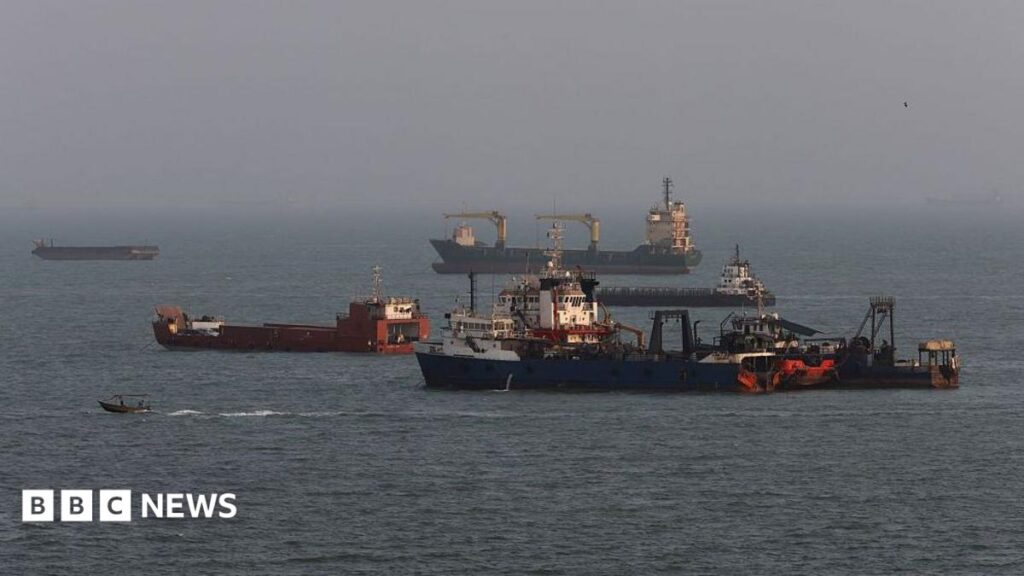
Background to the latest flare‑up
Tensions between Tehran and Washington have surged since the United States withdrew from the 2015 nuclear deal, prompting a series of retaliatory strikes in the Gulf of Oman and the Strait of Hormuz. Iran has repeatedly claimed that its attacks on U.S. warships are defensive, aimed at protecting its sovereignty and the flow of oil through the narrow waterway that carries a third of the world’s petroleum shipments.
In early September 2026, U.S. naval forces reported that Iranian fast‑attack craft and missile‑armed boats had closed in on two U.S. destroyers patrolling the region. The U.S. described the encounter as an “unprovoked aggression” and warned that any further escalation would be met with decisive force. This rhetoric set the stage for a tit‑for‑tat exchange that would reverberate far beyond the Middle East.
The US strike on Iranian tankers and Tehran’s warning
On September 6, the U.S. Central Command announced that it had launched precision strikes against two Iranian‑flagged oil tankers that it said were transporting fuel to ports used by Iranian militias. The operation, carried out by Navy SEAL‑qualified aircraft, was described as a “proportional response” to the earlier attacks on American warships. No American casualties were reported, but the strikes marked the first direct targeting of Iranian commercial vessels since 2019.
A day later, Iran’s Revolutionary Guard issued a stark warning through its public affairs office, promising a “faster, heavier, more painful response” if the United States continued to hit Iranian assets. The statement, delivered by senior commander Hossein Salami, hinted at a broader escalation that could involve missile attacks on U.S. bases in the region, cyber‑operations, or further strikes on commercial shipping.
Why this matters for global oil markets and African economies
The Strait of Hormuz is a chokepoint for about 20 percent of the world’s oil trade, and any disruption sends shockwaves through price benchmarks such as Brent and WTI. In the hours after the U.S. strike, Brent crude spiked by roughly 2.5 percent, prompting traders to hedge against a possible supply squeeze. African oil exporters—particularly Nigeria, Angola and Libya—watch these movements closely because even a modest price rise can boost national revenues that fund social programs and infrastructure.
Conversely, many African nations are net oil importers, including South Africa, Kenya and Ghana. A sustained escalation could tighten the supply of refined products, raise transport costs, and force governments to allocate larger shares of their budgets to fuel subsidies. The World Bank warned earlier this year that a 10 percent jump in global oil prices could push an additional 3 million Africans into extreme poverty, underscoring how Middle‑East flashpoints have direct human consequences on the continent.
Reactions across Africa and among the diaspora
African leaders have responded with a mixture of caution and concern. Nigeria’s Minister of Petroleum, Timipre Sylva, urged “regional stability and the protection of maritime trade routes” in a statement to the African Union, while South Africa’s Department of International Relations called for “de‑escalation and dialogue” at the United Nations Security Council. Both remarks reflect a broader African diplomatic trend that seeks to avoid being caught between great‑power rivalries.
The African diaspora in the United States, especially communities with ties to oil‑producing nations, have taken to social media to voice anxiety over the possible impact on remittances. According to a poll conducted by the African Diaspora Forum, 42 percent of respondents said they would consider delaying non‑essential money transfers if oil prices surged, fearing higher transaction fees and reduced purchasing power at home.
What could happen next and how African stakeholders can prepare
Analysts say the next steps will hinge on whether the United States decides to broaden its target set to include Iranian naval vessels or coastal installations. If Tehran follows through on its promise of a “faster, heavier” retaliation, the most likely scenario involves missile strikes on ships transiting the Gulf, which could trigger a temporary closure of the Strait—a move that would force tankers to reroute around the Cape of Good Hope, adding 10‑12 days to voyages and inflating freight rates.
African shipping firms and oil traders are already revisiting contingency plans. The Nigerian National Petroleum Corporation announced a review of its crude export routes, while the Ghana Maritime Authority has begun drafting emergency protocols for vessels caught in a potential choke‑point shutdown. For investors, diversifying exposure away from Gulf‑linked assets and monitoring geopolitical risk premiums on African sovereign bonds may mitigate the fallout.
Quick Answers
What did Iran threaten after the US hit its oil tankers?
Iran warned of a “faster, heavier, more painful response,” signalling possible missile strikes, cyber attacks, or further attacks on commercial shipping.
How could the US‑Iran clash affect African oil‑importing countries?
Disruption in the Strait of Hormuz could raise global oil prices, increase fuel costs and strain budgets for African nations that rely on imported petroleum.
Are African governments taking any action because of the tension?
Nigeria, South Africa and other African states have called for de‑escalation and are reviewing shipping and export strategies to safeguard trade routes.
Source: www.bbc.co.uk



💬 Comments 0