Iran War’s Strikes on Gulf Energy: 2026 Oil Price Surge and US Firms’ Risk Exposure
Background: Iran's Recent Strikes and Gulf Energy
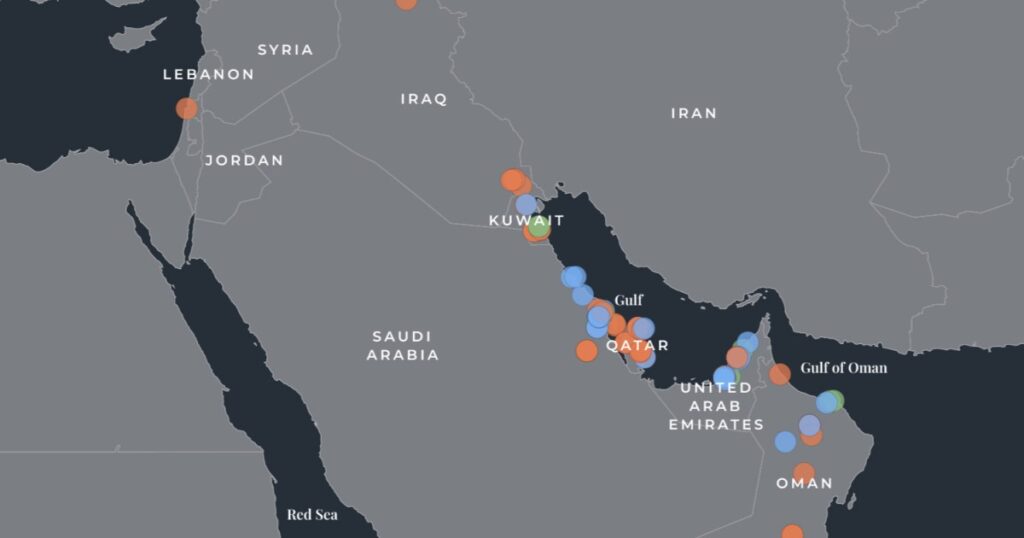
In early 2026, Iran intensified its missile and drone attacks on key shipping lanes in the Persian Gulf, targeting tanker routes that are vital for global oil distribution. The attacks were aimed at disrupting the flow of crude from the Gulf of Oman to major refineries worldwide, a tactic that has been used in past conflicts to exert geopolitical pressure. The Gulf’s strategic importance means that any disruption can ripple through international markets, affecting supply chains and pricing.
The Iranian strikes focused on the Strait of Hormuz and the Gulf of Oman—two chokepoints that handle roughly 20% of the world’s petroleum exports. By targeting tanker convoys, Iran sought to create uncertainty and force higher insurance premiums for shipping companies. While the attacks did not halt the flow entirely, they introduced volatility that reverberated across the oil market, prompting a swift response from energy traders and policymakers.
The broader regional context includes ongoing tensions with the United States and its allies, as well as domestic political pressures within Iran. The strikes also coincided with a global push for energy security, leading to heightened scrutiny of supply routes and prompting governments to reassess their dependence on Gulf crude. This backdrop set the stage for a sharp uptick in oil prices, as markets reacted to the perceived risk of supply disruption.
The Surge in Oil Prices and US Energy Companies' Gains
Oil prices spiked by nearly 12% within days of the first confirmed Iranian attack, pushing Brent crude above $110 a barrel—a level not seen since 2022. The surge was driven by a combination of supply fears and a rapid shift in futures contracts toward higher price tiers. The volatility also prompted a reevaluation of hedging strategies by major oil majors, leading to a flurry of activity in derivatives markets.
US energy conglomerates such as Exxon Mobil, Chevron, and ConocoPhillips reported record quarterly earnings, buoyed by the higher spot prices and a surge in demand for refined products. According to Bloomberg, Exxon Mobil alone posted a 25% increase in net income for Q2 2026, largely attributable to the price hike. These companies also benefited from higher margins on exploration and production, as well as from increased refinery throughput in the United States.
While the price rise benefited shareholders, it also heightened the cost of operations for firms with exposure to the Gulf region. Shipping companies faced higher insurance premiums, and pipeline operators had to reassess security protocols. The market’s reaction underscored the delicate balance between profit motives and risk management in an environment where geopolitical events can swiftly alter the cost of crude.
The Hidden Risk: Asset Exposure in a Volatile Region
Despite the financial windfall, US energy firms now face a paradox: their assets in the Gulf—ranging from offshore drilling platforms to pipeline infrastructure—remain vulnerable to further Iranian aggression or regional instability. Many of these assets are situated in countries with fragile governance structures, making them susceptible to sabotage or expropriation.
Insurance companies have raised premiums for Gulf-based assets, citing the heightened risk of targeted attacks. A recent report from Lloyd’s of London indicated that premiums for shipping in the Strait of Hormuz increased by 30% since the onset of the conflict. For energy firms, this translates into higher operational costs that erode the profit gains from higher oil prices.
Potential losses could be significant if Iranian forces were to expand their campaign or if allied forces in the region were to retaliate. Analysts warn that a prolonged disruption could trigger a cascade of asset devaluation, forcing companies to write down reserves and reevaluate their investment portfolios. The risk of asset impairment remains a looming threat that could undermine the short-term gains enjoyed by these firms.
Africa's Economic Pulse: Oil Prices and Nigerian Revenue
Nigeria, as the largest oil producer in Africa, is directly impacted by the price fluctuations triggered by the Gulf strikes. Higher crude prices have boosted export revenues, providing a temporary fiscal buffer for the Nigerian government. However, the volatility also threatens to destabilize the country’s long-term economic planning, as revenue projections become less predictable.
The Nigerian economy, heavily reliant on oil, saw its GDP growth rate rise from 2.3% in Q1 2026 to 4.1% in Q2, largely due to increased export earnings. Yet this growth is fragile; a sudden price dip could reverse gains and strain public finances. Moreover, the Nigerian Central Bank has warned that sustained price swings could inflate inflation, affecting everyday consumers and the diaspora who send remittances back home.
Diaspora communities, particularly those in the United States and the United Kingdom, watch these developments closely. Remittance flows have historically been linked to the stability of oil revenues, and any downturn could reduce the amount of money sent back to families in Nigeria. The diaspora’s economic engagement is therefore tied to the geopolitical landscape of the Gulf, highlighting the interconnectedness of global energy markets and African livelihoods.
Future Outlook: Geopolitics, Renewables, and Market Adaptation
The current crisis underscores a broader shift toward energy diversification. Countries across Africa are accelerating renewable energy projects to reduce reliance on oil exports and to mitigate the impact of global price shocks. In 2026, several African nations announced new solar and wind initiatives, signaling a strategic pivot that could reshape the continent’s energy profile.
Geopolitical analysts predict that the Gulf conflict may trigger a realignment of global supply chains, with shipping routes rerouted to avoid high-risk zones. This could lead to longer transit times and increased costs, further pressuring oil producers and consumers alike. Energy majors are responding by investing in advanced cyber‑security and physical protection measures for their assets.
In the medium term, the oil market may settle into a new equilibrium where price volatility becomes the norm. Companies will likely adopt more robust risk‑management frameworks, and African economies will continue to diversify. The interplay between geopolitical events and market adaptation will shape the future of energy, influencing everything from investment decisions to national development strategies.
Quick Answers
How did Iran's strikes affect global oil prices in 2026?
Iran’s attacks on Gulf shipping lanes caused Brent crude to rise by roughly 12%, pushing prices above $110 a barrel as markets feared supply disruptions.
Why are US energy companies’ assets at risk despite higher profits?
Their Gulf-region assets—offshore platforms, pipelines, and shipping—remain exposed to further Iranian attacks or regional instability, raising insurance costs and potential devaluation.
What impact does this have on Nigeria’s economy?
Higher oil prices temporarily boost Nigeria’s export revenue and GDP growth, but volatility threatens fiscal stability and could reduce remittance flows from the diaspora.
Source: www.aljazeera.com




💬 Comments 0