Israel detonates 1,100 tonnes of explosives on Lebanon tunnels – implications for Hezbollah
Background: a fragile front in a wider war
Since the outbreak of the Gaza conflict in October 2023, Israel has kept a close eye on its northern border with Lebanon, where Hezbollah maintains a sizable arsenal and a network of underground facilities. The 2024 cease‑fire in Gaza gave both sides a brief lull, but intelligence reports have repeatedly warned that Hezbollah continues to dig tunnels that could be used to launch rockets or infiltrate Israeli territory.
Lebanon’s political landscape adds another layer of complexity. The central government, led by Prime Minister Najib Mikati, lacks full control over Hezbollah’s militia, which operates with its own command structure and receives backing from Iran. This split authority means that any Israeli strike inside Lebanese territory carries the risk of drawing the state into a broader confrontation, even if the official Lebanese response is muted.
The demolition: 1,100 tonnes of explosives in one operation
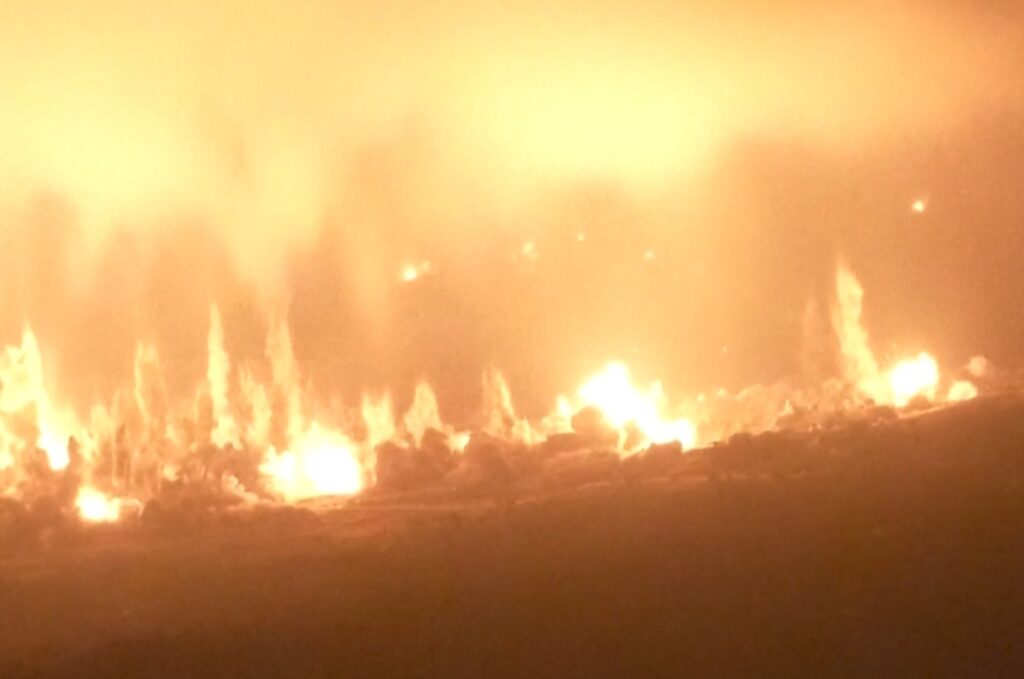
On 10 September 2026, the Israeli Defence Forces (IDF) announced that they had used more than 1,100 tonnes of high‑explosive material to collapse a series of tunnels they said belonged to Hezbollah in the south‑eastern hills of Lebanon. Satellite imagery released by the IDF showed a massive crater stretching over 300 metres, confirming the scale of the blast.
Israeli officials described the operation as a pre‑emptive move to neutralise “a direct threat to civilian lives in northern Israel”. Hezbollah, for its part, denied that the tunnels were intended for attacks, calling the demolition an “illegal act of aggression” and promising “a decisive response”.
Why the blast matters for regional stability
The sheer volume of explosives signals a shift in Israel’s tactical playbook: instead of targeted strikes, it is now willing to employ overwhelming force to erase perceived threats. Analysts at the Carnegie Middle East Center argue that such a show of firepower could deter Hezbollah in the short term but also raises the spectre of retaliation, potentially reigniting a full‑scale northern front.
For Lebanese civilians, the immediate fallout is already visible. The crater lies near the villages of Marjayoun and Kfarchouba, where farmers report displaced livestock and damaged irrigation channels. Human‑rights groups, including Amnesty International, have warned that indiscriminate demolition could breach international humanitarian law if civilian infrastructure is harmed.
African eyes on the front: peacekeepers and diaspora concerns
UNIFIL, the United Nations Interim Force in Lebanon, includes a substantial contingent of African troops—most notably from Ghana, Nigeria, and Senegal. The massive blast forces these peacekeepers to reassess their patrol routes and rules of engagement, as the risk of stray munitions or accidental clashes with Israeli forces rises sharply.
The African diaspora in the Middle East, especially Nigerian and Ghanaian expatriates working in construction and logistics, watch the development closely. Many have family ties to the UNIFIL soldiers on the ground, and social media chatter from Lagos to Accra shows heightened anxiety about the safety of their loved ones. Moreover, the escalation could affect oil prices, a key economic variable for African import‑dependent economies, as markets react to any perceived widening of the Israel‑Hezbollah conflict.
A pattern of pre‑emptive strikes: from Gaza to the Lebanese hills
Israel’s use of massive explosives mirrors its earlier tactics in Gaza, where the IDF employed large‑scale demolition to destroy tunnel networks used by Hamas. The strategy reflects a broader doctrine of “denial‑by‑destruction”, aiming to eliminate underground capabilities before they can be weaponised.
Critics argue that this approach may be counter‑productive. A 2025 report by the International Crisis Group noted that each tunnel destroyed often spurs the building of two more, as militant groups adapt their engineering methods. If Hezbollah follows the same pattern, the next phase could involve deeper, more sophisticated shafts that are harder to detect.
What’s next? Diplomatic, military and humanitarian outlook
In the diplomatic arena, the United Nations is expected to convene an emergency session on 14 September to discuss the incident. South Africa’s foreign ministry, a vocal supporter of Palestinian self‑determination, is likely to call for an investigation into the legality of the demolition under international law.
Militarily, Hezbollah’s next move remains uncertain. Some insiders, quoted by Al‑Jazeera, suggest the group is preparing a limited artillery barrage along the Blue Line as a warning, rather than a full‑scale invasion. Meanwhile, the IDF has hinted that it will continue “surveillance‑driven” operations, meaning more strikes could follow if new tunnels are located.
Humanitarian agencies are already mobilising to provide aid to the affected Lebanese villages. The Lebanese Red Cross has appealed for emergency funds to repair water supplies, while UN agencies are urging both sides to respect civilian zones and allow aid convoys safe passage.
Quick Answers
How many explosives did Israel use in the Lebanon tunnel demolition?
The Israeli Defence Forces said they used over 1,100 tonnes of high‑explosive material in the operation.
Are African UN peacekeepers affected by the blast?
Yes, African contingents in UNIFIL must adjust patrol routes and safety protocols because the large crater increases the risk of stray munitions.
What could be Hezbollah’s response to the demolition?
Hezbollah has warned of a “decisive response”, but analysts expect at most limited artillery fire along the border as a warning.
Source: www.aljazeera.com


💬 Comments 0