Israeli air strike kills 10 in southern Lebanon, including infant, September 2026 – regional fallout and diaspora impact
A fragile truce under pressure
The border between Israel and Lebanon has been held together by a shaky cease‑fire that dates back to the 2006 war, but the last twelve months have seen a steady erosion of that stability. Hezbollah’s periodic rocket launches and Israel’s retaliatory strikes have turned the line into a de‑facto flashpoint, with each side accusing the other of violating the armistice. In the months leading up to September 2026, Israel warned of “unacceptable” attacks from southern Lebanon, while Hezbollah warned that its resistance would not be silenced.
International observers, including the United Nations Interim Force in Lebanon (UNIFIL), have repeatedly noted a rise in civilian casualties on both sides, a trend that fuels anger in the local populations. The latest Israeli air raid, which took place in the early hours of September 6, adds to a tally of over 200 civilian deaths recorded since the start of the year, according to UN reports. The incident underscores how quickly a low‑intensity conflict can flare into a humanitarian disaster.
The overnight strike and its human toll
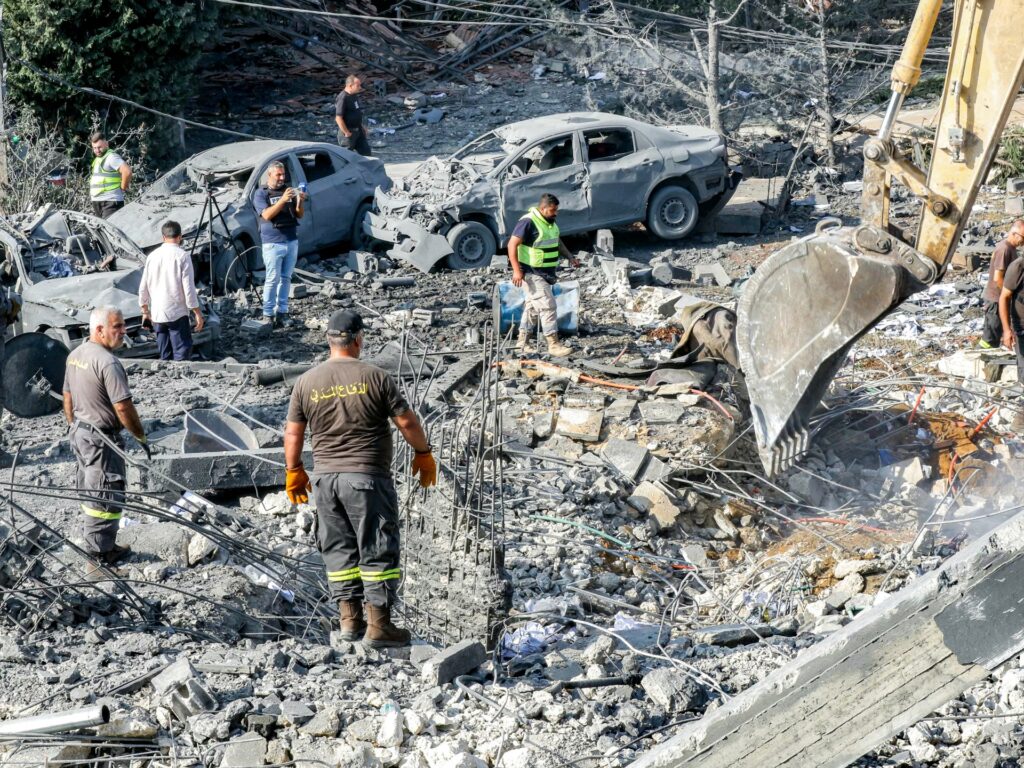
Israeli jets targeted a residential area near the town of Marjayoun, a village that sits just a few kilometres from the border. According to local officials, at least ten people were killed, including three children and a two‑month‑old infant who died while his mother tried to flee the blast. The strike also wounded several others, many of whom were taken to hospitals already strained by a surge in war‑related injuries.
Witnesses described a “wall of fire” that lit up the night sky, followed by a thick plume of smoke that lingered over the narrow streets. The Lebanese Ministry of Health confirmed that the victims included two women of reproductive age, a factor that deepens concerns about the long‑term demographic impact on a region already facing a declining birth rate. The attack has reignited calls from Lebanese civil society for an end to the cross‑border violence.
Humanitarian consequences on the ground
The strike has immediate repercussions for a community that relies heavily on cross‑border trade and agriculture. Fields that supply fresh produce to markets in both Lebanon and Israel have been abandoned as families fear further attacks. Clinics in the area, already operating with limited supplies, now face an influx of trauma patients and a shortage of paediatric care, according to a statement from the Lebanese Red Cross.
UNIFIL deployed a rapid‑response team to assess the damage and to coordinate with local authorities on evacuation routes for displaced families. The United Nations Office for the Coordination of Humanitarian Affairs (OCHA) warned that the incident could push the number of internally displaced persons (IDPs) in southern Lebanon past 150,000 by the end of the year, a figure that would strain the already limited shelter capacity in nearby towns such as Tyre and Sidon.
Why African readers should pay attention
Lebanese diaspora communities across West Africa – especially in Ghana, Côte d’Ivoire, Nigeria and Senegal – maintain strong economic ties with their homeland through remittances, import‑export businesses, and cultural exchanges. The latest escalation threatens to disrupt these channels. Trade routes that ferry Lebanese‑owned textile and food‑processing firms’ goods through Lebanese ports could face delays if security concerns prompt tighter maritime inspections or insurance premiums rise.
Moreover, the Lebanese community in Nigeria, estimated at over 200,000 people, has historically acted as a bridge for investment between the two regions. A spike in instability could deter Lebanese investors from expanding ventures in Lagos or Abuja, potentially slowing down projects in construction, hospitality and fintech that rely on Lebanese capital. Diaspora NGOs have already begun fundraising drives to support the wounded families in southern Lebanon, reflecting a transnational solidarity that links African cities to the front‑line village of Marjayoun.
What comes next – diplomatic and security calculations
In the wake of the attack, the United States urged restraint, calling the civilian casualties “deeply regrettable” while reaffirming its commitment to Israel’s security. Meanwhile, France, a key UN Security Council member with historic ties to Lebanon, pressed for an emergency meeting of the Security Council to discuss “protecting civilians in conflict zones.” Analysts say that any UN resolution will have to balance Israel’s right to self‑defence with Lebanon’s sovereignty, a diplomatic tightrope that has stalled action in the past.
On the ground, Hezbollah signalled that it would “respond proportionally” to any further Israeli incursions, a statement that could translate into more rocket fire or guerrilla attacks. Israeli officials, for their part, have warned that any “repeated violations” will be met with “targeted operations.” The risk, therefore, is a spiral that could draw neighboring states – such as Syria or Jordan – into a broader regional confrontation, especially if refugee flows increase and border security becomes untenable.
Quick Answers
How many people were killed in the Israeli air strike on southern Lebanon in September 2026?
At least ten people, including three children and a two‑month‑old infant, were reported dead.
What impact could the Lebanon‑Israel clash have on African Lebanese diaspora businesses?
Instability may disrupt trade routes, raise insurance costs, and discourage Lebanese investors from expanding ventures in West African markets.
What are the next steps for the international community after the strike?
The United States, France and the UN are calling for restraint and an emergency Security Council meeting to address civilian protection and prevent further escalation.
Source: www.aljazeera.com


💬 Comments 0