Israeli demolitions in Froun, southern Lebanon 2026: impact on African UN peacekeepers
Background: a fragile cease‑fire on shaky ground
Since the 2006 war, the Israel‑Lebanon border has been policed by the United Nations Interim Force in Lebanon (UNIFIL). The arrangement rests on a tenuous cease‑fire that has been repeatedly tested by cross‑border skirmishes, Hezbollah’s rocket launches and Israeli air strikes aimed at curbing the militia’s arsenal. In the past year, a series of incidents – from the October 2025 drone incursions to the February 2026 artillery exchanges – have eroded the buffer’s credibility, setting the stage for today’s escalation.
The village of Froun, perched on the foothills of the Tyre district, sits just a few kilometres from the Blue Line that demarcates the de‑facto border. Historically a farming community with a sizable diaspora in West Africa, Froun has become a flashpoint because it lies near a network of underground tunnels that Hezbollah allegedly uses to move weapons and fighters. Israeli officials say the demolitions are a pre‑emptive measure to deny the group strategic depth.
What is happening now: night‑and‑day demolitions
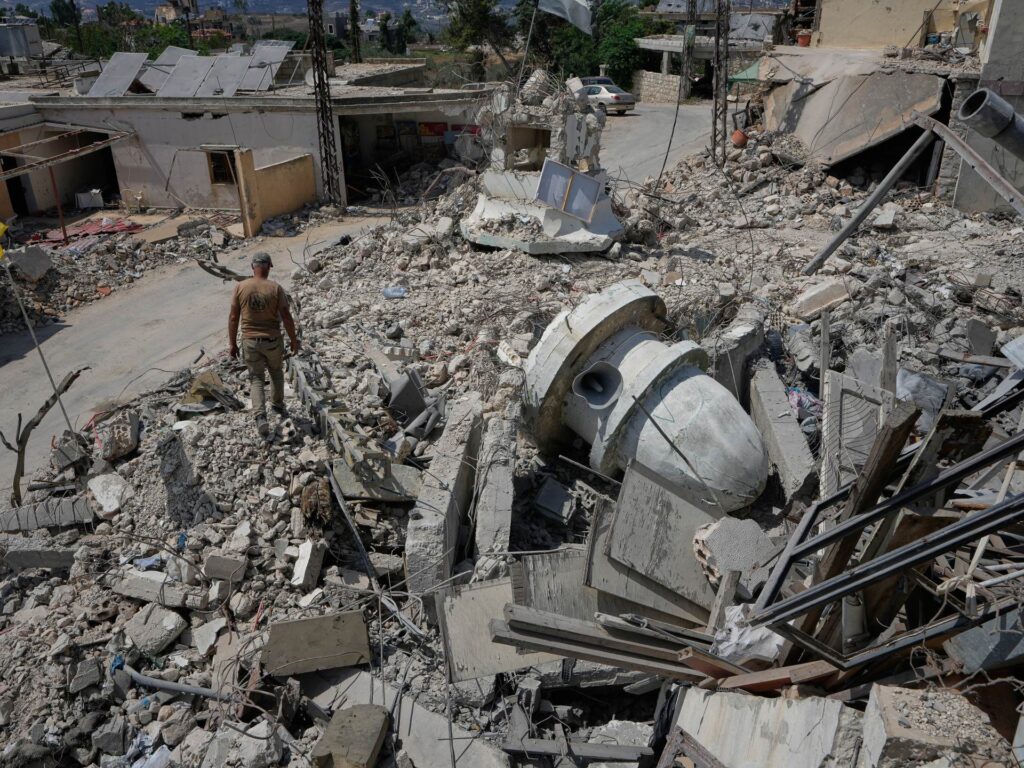
Early on Monday, residents of Froun reported a series of thunderous explosions that rattled homes and shattered windows. Israeli engineering units, escorted by armored vehicles, moved in to raze structures identified as “terrorist infrastructure.” By sunset, at least six houses and three out‑buildings had been reduced to rubble, according to eyewitnesses who posted video on local social media platforms.
The Israeli Defence Forces (IDF) released a brief statement claiming the operation targeted “illegal constructions used for military purposes.” Human Rights Watch, citing satellite imagery, warned that the demolitions appear indiscriminate, affecting civilian dwellings and agricultural fields. UNIFIL’s commander, Lieutenant General Luis García, urged both sides to respect the cease‑fire, but noted that the UN peacekeeping contingent on the ground is limited in its ability to intervene directly.
Why it matters: regional security and global markets
The renewed Israeli activity in southern Lebanon risks reigniting a broader front that could draw in Syria, Iran‑backed militias, and even Palestinian factions operating from Lebanese territory. Analysts at the Carnegie Middle East Center argue that each demolition raises the probability of a retaliatory strike, which could spiral into a wider confrontation that threatens the already volatile Eastern Mediterranean energy corridor.
Beyond the immediate security calculus, the fighting ripples through global commodity markets. Lebanon’s port of Tyre handles a modest share of the region’s agricultural exports, and any disruption can tighten supply chains for fruit and vegetable imports destined for Gulf markets. Moreover, heightened tension often translates into higher oil price volatility, a factor that directly impacts African economies reliant on imported fuel, especially in Nigeria and South Africa.
African peacekeepers on the front line
UNIFIL’s troop roster includes contingents from Ghana, Nigeria, Tanzania, and Senegal – nations that collectively contribute roughly 1,200 African soldiers. These peacekeepers patrol the buffer zone, monitor cease‑fire violations, and provide humanitarian assistance to displaced families. Sources within the mission say that the latest demolitions have forced several African units to relocate their observation posts, stretching already thin resources.
The presence of African troops adds a diplomatic dimension. Ghana’s Deputy Minister of Foreign Affairs, Kwame Agyeman, recently urged the UN Security Council to reinforce the mission’s mandate, warning that “if the violence escalates, African soldiers could become unintended casualties, eroding the credibility of our continent’s contribution to peacekeeping.” The call reflects a growing sentiment among African governments that their personnel deserve clearer rules of engagement and stronger protection.
Diaspora and trade: how Lebanese communities in Africa feel the shock
Lebanese merchants have long been a fixture in West African economies, from Ghana’s bustling Accra market to Nigeria’s Lagos wholesale districts. Many families in Froun trace their roots to those diaspora hubs, sending remittances that support local schools and clinics. The destruction of homes and farms threatens this financial lifeline, as displaced residents may lose the ability to remit money, tightening cash flow for businesses that depend on Lebanese credit.
Furthermore, the Lebanese diaspora in South Africa and Kenya has been vocal about the conflict, organising protests and lobbying their host governments for a diplomatic push. Their activism underscores a broader pattern: conflicts in the Middle East increasingly reverberate within African cities where Lebanese‑origin entrepreneurs operate, affecting everything from real‑estate investments to the supply of imported consumer goods.
What’s next: diplomatic pathways and humanitarian needs
The immediate outlook hinges on whether Israel will expand its demolition campaign or pause to assess Hezbollah’s response. The United States, which continues to supply Israel with advanced munitions, has signalled a willingness to mediate through back‑channel talks, but concrete proposals remain sparse. Meanwhile, the United Nations is preparing a humanitarian corridor to deliver food and medical kits to villages cut off by the fighting, a move that will require coordination with both Israeli and Lebanese authorities.
For African stakeholders, the next steps involve two parallel tracks: advocating for stronger UNIFIL rules that safeguard their troops, and ensuring that diaspora networks can continue to channel aid back home. NGOs such as the African Union’s Peace and Security Council have pledged to monitor the situation closely, and several African parliamentarians have called for a special session of the AU to discuss the broader implications of Middle‑East flare‑ups on the continent’s stability.
Quick Answers
Why is Israel demolishing houses in Froun, southern Lebanon?
Israel says the structures were used by Hezbollah for military purposes, but human‑rights groups argue the demolitions also affect civilian homes.
How many African troops serve in UNIFIL?
Around 1,200 African peacekeepers from Ghana, Nigeria, Tanzania, Senegal and other nations are part of the UNIFIL mission.
What impact could the fighting have on African economies?
Disruption of Lebanese trade routes and oil‑price volatility can affect African import costs, while reduced remittances from the Lebanese diaspora may tighten local cash flows.
Source: www.aljazeera.com


💬 Comments 0