Israeli strikes in Gaza kill eight, including child in Khan Younis – implications Nov 2026
Background: the war’s widening toll
Since the October 2023 conflict erupted, Israeli air power has been a decisive factor, with more than 30,000 Palestinians reported killed and thousands more injured. The fighting has increasingly moved from the front‑line of the Gaza‑Israel border into densely populated urban districts, where civilian structures double as makeshift shelters.
International observers, including the UN Human Rights Office, have warned that the pattern of strikes on residential neighborhoods risks breaching international humanitarian law. Yet each new wave of bombardment is justified by Israeli officials as a response to Hamas’ underground tunnels and rocket launch sites, which are often embedded within civilian blocks.
The latest strike: eight dead, including a child
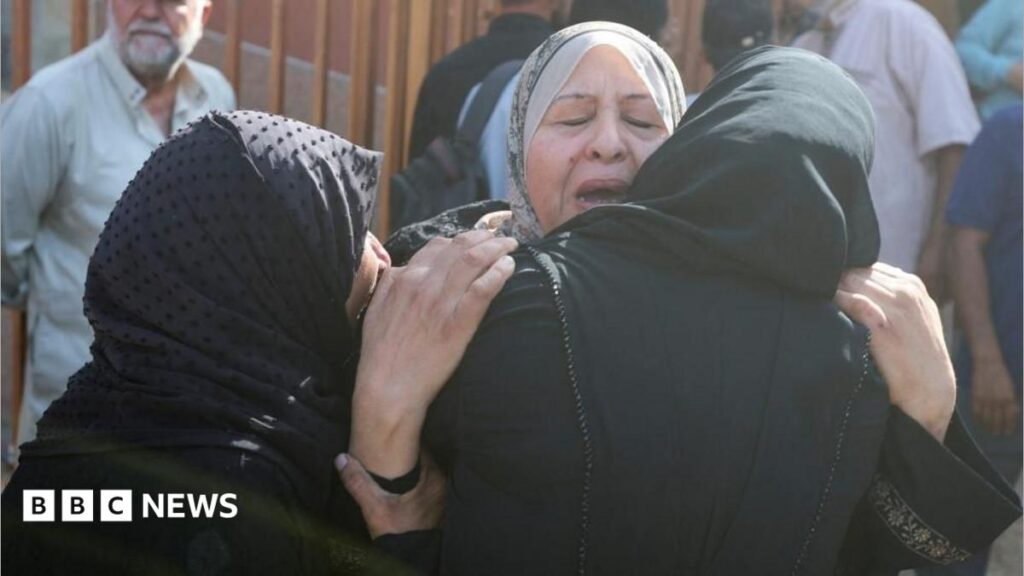
On 2 November 2026, hospitals in Gaza City confirmed that three civilians were killed in an Israeli air strike, one of them a nine‑year‑old boy. In Khan Younis, five officers of the Hamas‑run police force were also reported dead after a separate strike hit a police headquarters.
Health officials said the Gaza City attack hit a residential building that had been serving as a temporary shelter for displaced families. The child’s death was confirmed by the Ministry of Health, which has been documenting civilian casualties since the war began.
Humanitarian fallout and the aid bottleneck
The new casualties add pressure on an already strained medical system. Gaza’s hospitals are operating at roughly 30 % capacity, with shortages of oxygen, blood, and essential medicines. Each civilian death further erodes the confidence of aid agencies that already struggle to deliver relief through the limited crossing points.
African NGOs, such as the Ethiopian Red Cross and the Kenyan‑based humanitarian group Hope for Gaza, have reported that the latest strikes disrupted a convoy of food parcels destined for Khan Younis. The convoy, scheduled to pass through the Rafah crossing, was delayed by security checks that followed the air raid, leaving thousands of families without fresh supplies for another day.
African and diaspora angles: why the story matters beyond the Middle East
African states have been vocal in United Nations debates, calling for an immediate ceasefire and unhindered humanitarian access. South Africa’s foreign ministry, for example, reiterated its support for a two‑state solution and condemned the targeting of civilians, a stance echoed by the African Union’s Peace and Security Council last week.
The diaspora angle is also significant. Hundreds of Palestinians of African descent—particularly from Sudan, Eritrea and Ethiopia—live in Gaza, often in the same neighbourhoods targeted by the strikes. Their families in Nairobi, Addis Ababa and Khartoum have organized street vigils and online campaigns demanding the protection of civilians, highlighting a transnational solidarity that mainstream Western coverage rarely captures.
What comes next? Diplomatic and on‑the‑ground implications
The deaths are likely to intensify diplomatic pressure on Israel from a coalition of African, European and Latin American countries that are pushing for a UN‑mediated ceasefire. Analysts at the International Crisis Group say the next 48‑72 hours are critical: if Israel escalates further, it could trigger a broader regional backlash, potentially drawing in Iran‑aligned militias.
On the ground, the immediate concern is the ability of Gaza’s health system to cope with an influx of casualties. Aid agencies are calling for a humanitarian corridor that bypasses the contested border zones, a proposal that Egypt has hinted it might entertain if international guarantors provide security assurances.
Quick Answers
How many civilians were killed in the latest Israeli strike on Gaza?
Eight civilians were killed, including a child in Gaza City and five Hamas police officers in Khan Younis.
What impact does the strike have on African humanitarian aid in Gaza?
The strike delayed a food convoy organized by African NGOs, worsening shortages for families in Khan Younis and highlighting the challenges aid groups face amid security checks.
What are African countries saying about the Gaza conflict?
South Africa, the African Union and several other African states have called for an immediate ceasefire and unimpeded humanitarian access, condemning civilian casualties.
Source: www.bbc.co.uk




💬 Comments 0