Israeli Strikes in Southern Lebanese Village Kill 12 – Impact on US‑Brokered Ceasefire, Regional Stability and Lebanese Diaspora in Africa (2026)
Background: A fragile ceasefire on shaky ground
Since the August 2024 ceasefire negotiated by the United States, Israel and Hezbollah have kept a precarious calm along the Lebanon‑Israel border. The agreement, which halted a full‑scale war that erupted in 2023, relied on a tacit understanding that both sides would limit cross‑border fire and avoid civilian casualties. However, the ceasefire has always been described by analysts as a "temporary bandage" rather than a durable solution, given unresolved issues such as Hezbollah’s arsenal, Israeli security concerns, and Lebanon’s internal political paralysis.
In recent weeks, Israel has intensified air operations in southern Lebanon, citing intelligence that Hezbollah was mobilising weapons near the border. The Israeli Defense Forces (IDF) have repeatedly warned of "pre‑emptive" strikes to neutralise what they call "terrorist infrastructure". Hezbollah, for its part, has responded with artillery fire and limited rocket launches, keeping the exchange below the threshold of a full‑blown conflict but enough to keep the region on edge.
What happened: The strike that killed 12 civilians
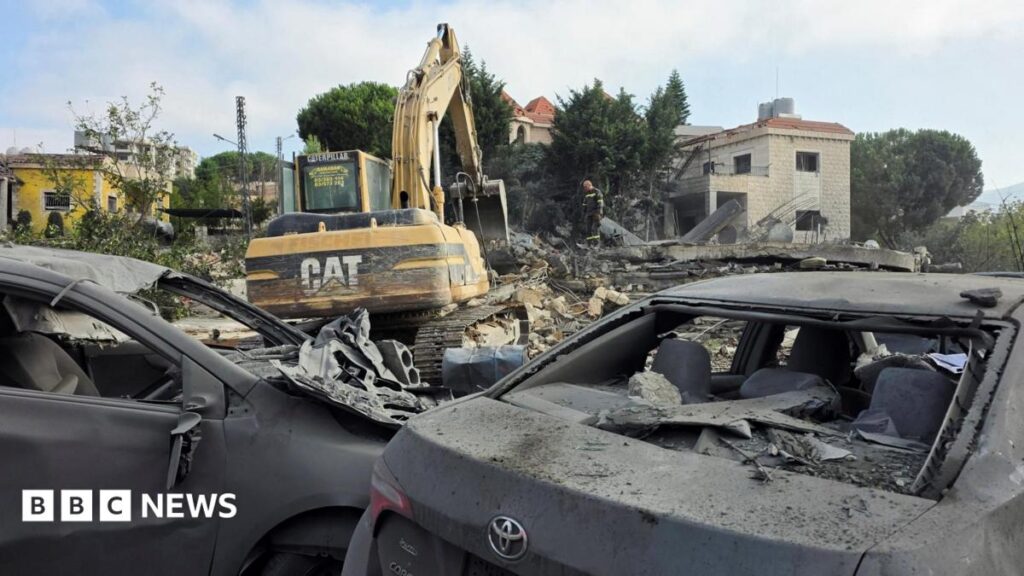
On 5 September 2026, Israeli jets bombed the small village of Marjayoun al‑Gharbi in the Nabatieh Governorate, a community of roughly 2,500 residents. According to Lebanese officials, the attack hit a residential building that was not a declared military target, killing 12 people—including eight women and four children—and injuring dozens more. The Lebanese Interior Ministry released a list of the victims, confirming that none were combatants.
The IDF later issued a brief statement claiming the strike was aimed at a "terrorist command centre" that had been used by Hezbollah operatives. Independent monitors from the United Nations Interim Force in Lebanon (UNIFIL) have not yet verified the presence of any weapons in the building. The incident has sparked immediate condemnation from the Lebanese government, which called the attack a "gross violation of international law" and a direct threat to the ceasefire.
Why it matters: Risks to the US‑brokered ceasefire and wider geopolitics
The killing of civilians in Marjayoun al‑Gharbi escalates the diplomatic pressure on Washington, which has been trying to balance its strategic alliance with Israel against the need to prevent a broader Middle East war that could destabilise global energy markets. Analysts warn that repeated civilian casualties could push the United States to reassess its support for Israel’s current rules of engagement, especially if the incident fuels mass protests in the Arab world.
Beyond the immediate diplomatic fallout, the strike threatens to unravel the fragile ceasefire that has kept the border relatively quiet for two years. Hezbollah’s leadership, already vocal about Israel’s “aggression”, may feel compelled to retaliate more forcefully, risking a spiral that could draw in Iran, Syria, and even the Gulf states that have been quietly mediating. Such a scenario would have knock‑on effects for African nations that import a large share of their oil from the Eastern Mediterranean, as any disruption could raise prices on the continent.
African connections: Diaspora, trade routes and regional stability
Lebanon hosts a sizable diaspora in West and Central Africa, particularly in Côte d’Ivoire, Senegal, Ghana, and the Democratic Republic of Congo, where Lebanese families dominate sectors ranging from retail to construction. The recent strike has reignited anxieties among these communities, who fear that a wider conflict could jeopardise their businesses, restrict travel, and trigger anti‑Lebanese sentiment in host countries that are already sensitive to foreign political shocks.
Moreover, the Red Sea and the Suez Canal – critical arteries for African imports and exports – are vulnerable to any escalation that drags in Iran or its proxies. A renewed Israel‑Hezbollah clash could prompt Iran to increase its support for the Houthi rebels in Yemen, who have already threatened shipping lanes. African exporters, especially those in East Africa and the Horn of Horn, rely on the uninterrupted flow of goods through these chokepoints; any disruption would raise freight costs and potentially trigger inflationary pressures on the continent.
What’s next: Diplomatic moves, possible retaliation and humanitarian concerns
In the short term, the United Nations Security Council is expected to convene an emergency session to address the civilian deaths and to demand an immediate ceasefire reinforcement. The United States, according to sources within the State Department, is preparing a diplomatic note to Israel urging restraint and a thorough investigation, while also warning that further civilian casualties could trigger a review of military aid packages.
Hezbollah has not yet issued a formal response, but senior officials in Beirut have hinted at “proportionate retaliation”. If the group launches a substantial rocket barrage, Israel may respond with a larger air campaign, raising the likelihood of a full‑scale border war. Humanitarian organisations, including the International Committee of the Red Cross, have warned that renewed fighting would overwhelm the already strained medical infrastructure in southern Lebanon, where many hospitals operate under capacity due to years of under‑funding and the after‑effects of the 2020 Beirut port explosion.
Reactions on the ground: Public anger and political calculations
Lebanese citizens took to the streets in Beirut, Tripoli and the south, demanding accountability for the Marjayoun al‑Gharbi strike. Protesters carried placards reading "No more bloodshed" and "Justice for the victims". The Lebanese Parliament, fractured along sectarian lines, is unlikely to pass any decisive legislation, but opposition parties have called for a renewed national dialogue on security and sovereignty.
In Israel, the strike sparked a mixed reaction. While the government defended the operation as a necessary measure against Hezbollah, several Israeli NGOs and left‑wing parties demanded an independent inquiry, arguing that civilian loss undermines Israel’s moral standing and could fuel further radicalisation. The domestic debate adds another layer of uncertainty to Israel’s strategic calculus.
Quick Answers
What caused the Israeli strike that killed 12 in Marjayoun al‑Gharbi?
Israel said the strike targeted a Hezbollah command centre, but Lebanese officials and UN monitors have not confirmed any military presence in the building.
How might this incident affect the US‑brokered ceasefire between Israel and Hezbollah?
The civilian casualties increase pressure on Washington to demand stricter Israeli rules of engagement and risk a diplomatic review of military aid, potentially weakening the ceasefire.
Why should African readers care about the Lebanon‑Israel clash?
Disruption of the ceasefire could destabilise regional trade routes, affect Lebanese diaspora businesses in Africa, and raise oil prices that impact African economies.
Source: www.bbc.co.uk



💬 Comments 0