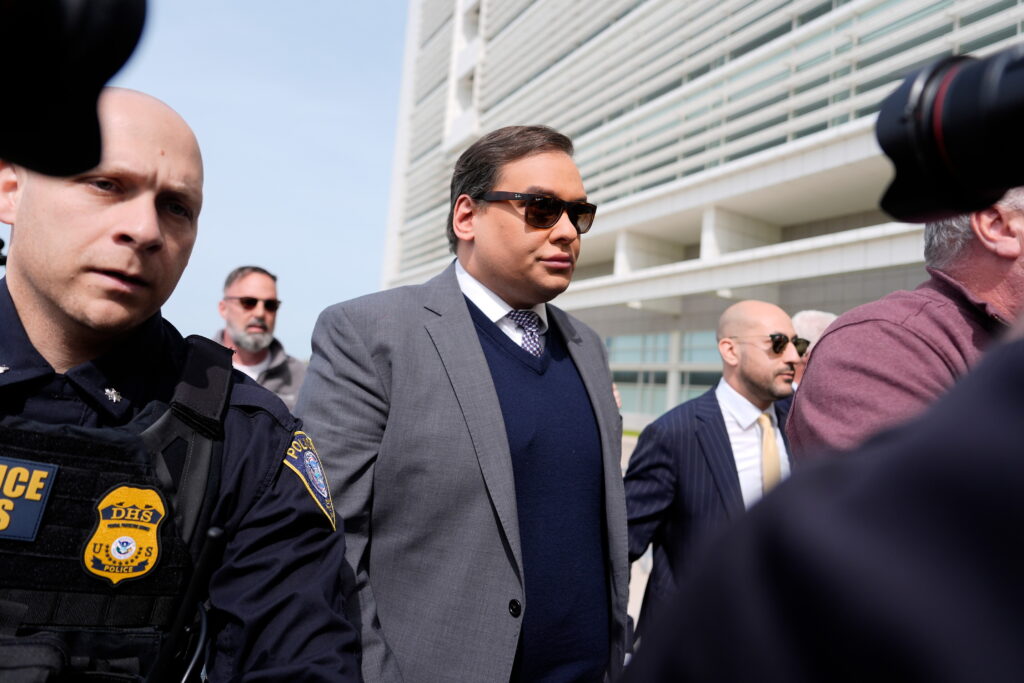
Kalshi bans George Santos for life, fines him $71,000 over State of the Union bets
Background
Kalshi, founded in 2019, is a U.S. exchange that offers event contracts—betting instruments tied to real‑world outcomes—regulated by the Commodity Futures Trading Commission (CFTC). The platform has grown rapidly, attracting retail traders and institutional investors alike. Its model relies on transparent, regulated markets to maintain fairness and protect participants.
George Santos, a former U.S. Representative from New York, was expelled from Congress in 2023 after a flurry of fraud allegations and false claims about his background. His political career was marred by a series of controversies, and he has remained a polarizing figure in American politics.
Santos’ interest in Kalshi’s contracts surfaced when he placed wagers on whether he would appear at the 2024 State of the Union address. The bets were publicly visible on Kalshi’s platform, sparking scrutiny from regulators and the media.
What Happened
Kalshi’s compliance team launched an investigation following complaints that Santos had placed self‑benefiting bets on his own attendance at the State of the Union. The investigation uncovered multiple contracts with sizable stakes, raising concerns about potential insider trading and market manipulation.
According to a Kalshi statement released on September 1, Santos failed to cooperate with the inquiry, providing no explanation for the trades and refusing to submit required documentation. The lack of transparency violated Kalshi’s terms of service and regulatory obligations.
In response, Kalshi announced a lifetime ban for Santos and imposed a fine of $71,000. The company cited the CFTC’s guidance on self‑betting and the need to uphold market integrity as the basis for its decisive action.
Why It Matters
The ban underscores the importance of maintaining trust in regulated derivatives markets. When a public figure engages in self‑betting, it erodes confidence that the market is fair and that participants are not exploiting privileged information. For retail traders, such incidents can create uncertainty about the safety of their investments.
Politically, the case signals a broader push for accountability. Santos’ expulsion from Congress and subsequent legal troubles already raised questions about his conduct. The Kalshi penalty adds a financial dimension to the narrative, demonstrating that financial regulators will not tolerate unethical behavior, even from former lawmakers.
For African diaspora investors, the episode offers a cautionary tale. Many Nigerians and other Africans trade on U.S. derivatives through platforms like Kalshi, attracted by low fees and diverse contract offerings. This incident highlights the need for due diligence and awareness of regulatory oversight, especially when investing in markets that can be influenced by high‑profile political actions.
Reactions
Santos issued a brief statement on his social media accounts, claiming that the ban was "unfair" and that he had no intention of manipulating markets. He urged supporters to “fight back” against what he called a biased regulatory system.
Kalshi’s CEO, who spoke to industry outlets, emphasized that the company’s decision was grounded in policy and regulatory compliance. He noted that the fine was the maximum permissible under the CFTC’s enforcement guidelines.
The Commodity Futures Trading Commission released a statement affirming that it had been monitoring the situation and that Kalshi’s actions were consistent with its mandate to prevent market abuse. The CFTC also hinted at potential further investigations into similar cases.
In Lagos, a leading financial commentator remarked that the incident could influence how African investors view U.S. derivatives, suggesting that they might seek additional safeguards or diversify into local markets.
What’s Next
Santos has not yet filed an appeal, but legal analysts predict that he may challenge the fine and the lifetime ban in federal court, citing due process concerns. The outcome could set a precedent for how financial penalties are applied to former public officials.
Kalshi is expected to review and tighten its compliance protocols. The company may introduce more robust monitoring tools and clearer guidelines for public figures to prevent future breaches. Such changes could affect the platform’s user experience but may bolster investor confidence.
On a regulatory level, the case may prompt the CFTC to issue updated guidance on self‑betting and the responsibilities of market participants. African regulators, observing the U.S. approach, might consider revising their own rules on political figure participation in financial markets to safeguard local investors.
Quick Answers
What is Kalshi and why does it regulate political bets?
Kalshi is a U.S. regulated exchange that offers event contracts, and it must enforce rules against self‑betting and market manipulation to maintain fair trading and comply with CFTC regulations.
How much was George Santos fined by Kalshi?
Kalshi fined Santos $71,000 for failing to cooperate with its investigation into his State of the Union attendance bets.
Could Santos appeal the ban?
Santos has not yet announced an appeal, but legal experts suggest he may challenge the fine and lifetime ban in federal court, potentially setting a new precedent for similar cases.
Source: www.npr.org




💬 Comments 0