Kebbi APC chieftain Adam Fakai withdraws support for Tinubu over recognition issue for 2027
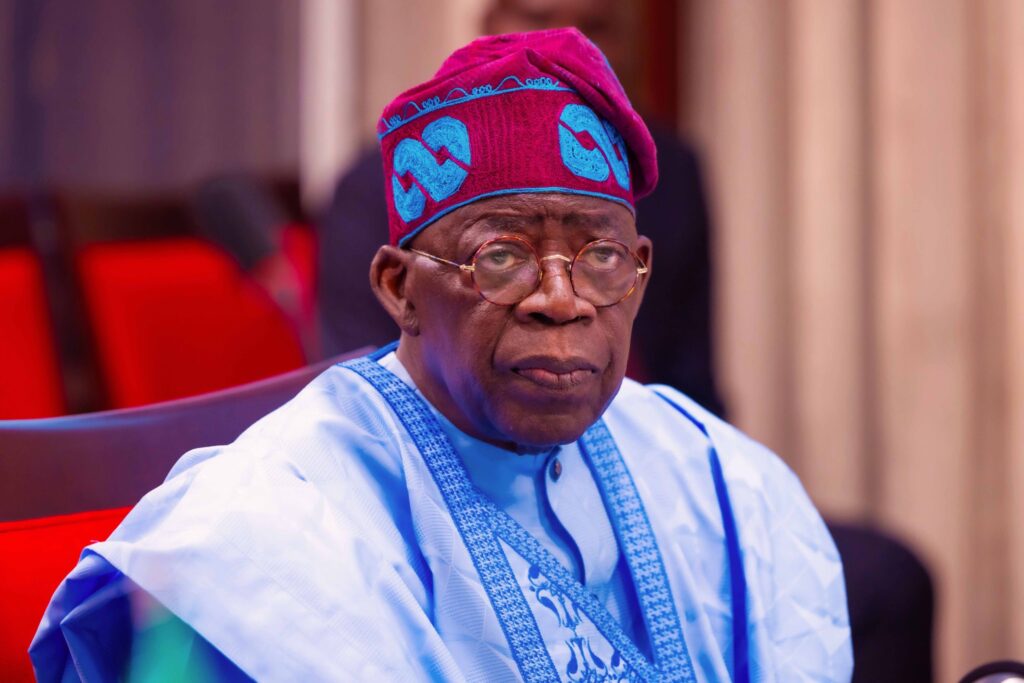
Background: Tinubu’s first term and the 2027 election landscape
President Bola Tinubu entered office in 2023 with a promise to revitalise Nigeria’s economy and tighten security, but his first term has been marked by mixed results. While some macro‑economic indicators have shown modest improvement, inflation remains high and power outages continue to frustrate businesses and households alike.
The 2027 general election is already being framed as a referendum on Tinubu’s legacy. Early polling by the International Centre for Research on Elections (ICRE) suggests a narrow lead for the incumbent, but the margin is within the range that could swing with regional shifts or party defections. In this climate, internal party cohesion is as crucial as any policy achievement.
Nigeria’s political map is still heavily regionalised. The northern states, including Kebbi, have traditionally been APC strongholds, while the south‑west, Tinubu’s home region, offers a more contested terrain. Any fracture in the north could reverberate across the nation’s delicate balance of power.
Who is Adam Fakai and why his withdrawal matters
Adamu Yahaya, popularly known as Adam Fakai, is a veteran APC operative in Kebbi State. He served as the party’s zonal coordinator for the 2023 campaign and is credited with mobilising grassroots support that helped the APC sweep most of the state’s legislative seats.
Fakai’s influence extends beyond party structures; he is a key patron for several local businessmen and holds sway over traditional leaders in the Kebbi Emirate. His endorsement has historically been a bellwether for the party’s performance in the state’s rural constituencies.
By publicly withdrawing his support, Fakai signals a breach that could undermine Tinubu’s ability to rally the northern base. Analysts at the Premium Times note that such defections have historically translated into lower voter turnout for the incumbent party in similar contexts.
The growing rift within the APC: a pattern of disgruntled godfathers
Fakai’s grievance—lack of recognition by national party leaders—mirrors a broader discontent among APC godfathers who feel sidelined after the 2023 victory. Several senior figures in Kano and Katsina have quietly expressed frustration over the allocation of federal appointments and project funding.
Political scientists argue that the APC’s internal democracy is weakening, with power increasingly concentrated in the presidential office and the National Working Committee. This centralisation fuels resentment among regional power brokers who expect a share of patronage in return for their loyalty.
The trend is not unique to the APC. Past election cycles have seen similar splinters in dominant parties across Africa, where intra‑party disputes often lead to the emergence of third‑party challengers or the formation of coalitions that can tilt national outcomes.
What the split could mean for Kebbi State and the broader North
Kebbi contributes three Senate seats and ten House of Representatives seats, making it a modest but strategic bloc in the National Assembly. If Fakai’s withdrawal translates into a loss of APC votes, the opposition Peoples Democratic Party (PDP) could capture at least one Senate seat, a first since the state’s creation in 1996.
Beyond seats, the split may affect federal projects earmarked for Kebbi, such as the Zauro Dam irrigation scheme and the Niger River bridge upgrades. Local leaders have warned that a perceived lack of political loyalty could jeopardise the flow of federal funds, a concern echoed by business owners who rely on infrastructure development.
The northern political calculus often hinges on collective bargaining. A fractured APC could embolden other northern states—like Sokoto and Zamfara—to negotiate harder for resources, potentially reshaping the power dynamics between the federal government and the North.
Reactions from the party, opposition and diaspora
The APC’s National Working Committee issued a brief statement calling Fakai’s move “unfortunate” and urging unity ahead of the 2027 campaign. Party spokespersons have not offered a concrete plan to address his concerns, which leaves room for speculation about internal negotiations.
The PDP welcomed the development, with its Kebbi chairman describing it as “evidence that Tinubu’s administration is losing its grip on the North.” Opposition strategists say they will target the same grassroots networks that Fakai once commanded, hoping to convert his supporters.
Among the Nigerian diaspora in the United Kingdom and the United States, political forums on social media have lit up with debates about the significance of the split. Many expatriates see the episode as a litmus test for Tinubu’s ability to manage patronage politics, a factor that influences foreign investment decisions and diaspora remittance flows.
Looking ahead: scenarios for 2027 and the stakes for Nigeria’s democracy
If the APC manages to reconcile with Fakai and other aggrieved leaders, it could present a united front that preserves its northern dominance and secures a second term for Tinubu. Such reconciliation would likely involve high‑profile appointments or development contracts for Kebbi, a classic political trade‑off in Nigerian politics.
Conversely, a sustained rift could open the door for a coalition between the PDP, the Labour Party, and regional third‑party movements. This scenario would not only threaten Tinubu’s re‑election but also force a re‑examination of Nigeria’s winner‑takes‑all electoral system, which many critics argue marginalises minority voices.
Regardless of the outcome, Fakai’s withdrawal underscores the fragility of party loyalty in a system where personal patronage often outweighs ideology. For Nigeria’s democracy, the episode offers a reminder that internal party health is as vital as electoral competition in delivering stable governance.
Quick Answers
Why did Adam Fakai withdraw his support for President Tinubu?
Fakai said he felt ignored and unrewarded by national APC leaders, citing a lack of recognition for his contributions in Kebbi.
What could Fakai’s defection mean for the 2027 elections in Nigeria?
It may weaken the APC’s hold on Kebbi, potentially allowing the PDP to win seats and altering the balance of power in the North.
How are Nigerian diaspora communities reacting to the split in the APC?
Diaspora forums are debating Tinubu’s patronage politics, with many viewing the split as a test of his ability to keep the party unified.
Source: dailypost.ng




💬 Comments 0