Kenya crackdown on foreign traders in June 2026 sparks fear, drives 2,000 migrants to flee
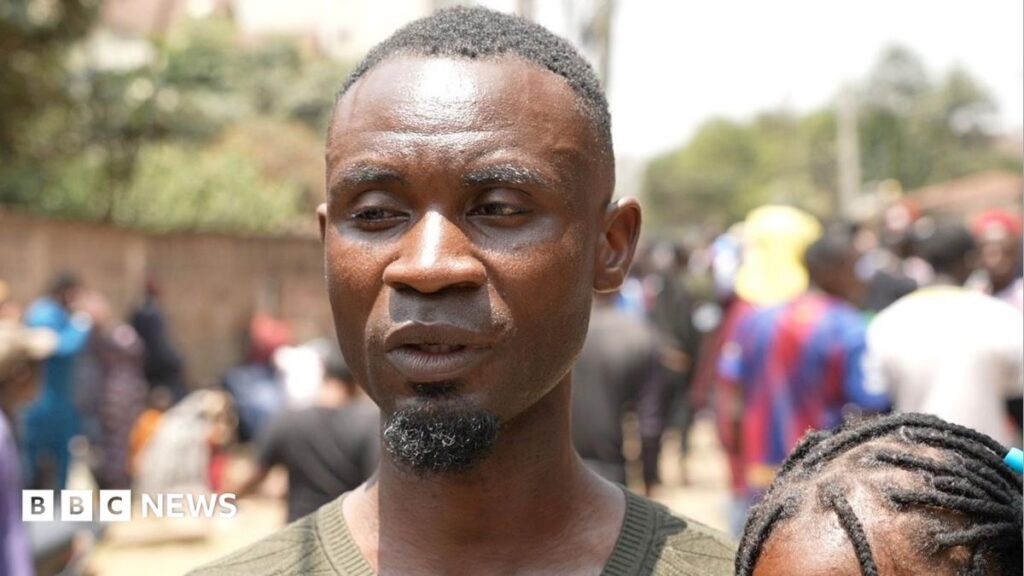
Background: informal cross‑border trade and the role of foreign traders
Kenya’s economy has long depended on informal trade that moves goods across porous borders with Uganda, Tanzania, South Sudan and the Democratic Republic of Congo. Small‑scale traders—often from neighboring countries—set up stalls in markets such as Nairobi’s Eastleigh, Mombasa’s Kisauni, and the border town of Malaba, selling everything from textiles to electronics. While the sector is unregulated, it contributes an estimated 10 % of Kenya’s GDP, according to a 2024 World Bank report, and provides livelihoods for thousands of East African migrants.
The Kenyan government has periodically tried to formalise the sector, arguing that unlicensed traders evade taxes, undercut local businesses, and sometimes engage in illegal activities. In 2022, the Ministry of Trade launched a pilot licensing scheme in Nairobi’s Eastleigh, but enforcement was uneven and many traders continued to operate without permits. The tension between formalisation and the reality of a largely informal economy set the stage for the June 2026 crackdown.
The crackdown: new rules, raids and a climate of intimidation
In early June 2026 the Ministry of Trade, backed by the Kenya Revenue Authority (KRA), announced a “Zero Tolerance” operation targeting unlicensed foreign traders. The policy required all traders to register, pay a flat licence fee of KES 5,000 (about $45), and submit proof of residency. Enforcement officers were deployed to major market hubs, and within two weeks more than 3,000 stalls were shut down, according to an official KRA bulletin.
Human Rights Watch reported that police and KRA officials used forceful tactics, including detaining traders for up to 48 hours and confiscating merchandise without receipts. One trader from Uganda, quoted to the Daily Nation, described officers as “like a dog set loose on us”, echoing the original headline. The government defended the approach, saying it was necessary to protect Kenyan businesses and curb smuggling, but critics warned that the operation singled out foreign nationals and risked breaching regional migration accords.
Immediate fallout: panic, migration and local market disruption
The rapid enforcement created a wave of fear among migrant traders. Within days, an estimated 2,000 foreign traders packed up their goods and fled Kenya, heading back to Uganda, Tanzania, and even as far as the United Arab Emirates, according to a survey by the East African Community (EAC) secretariat. The exodus left empty stalls, disrupted supply chains for cheap consumer goods, and triggered price spikes in items such as mobile phones and second‑hand clothing.
Kenyan consumers, especially low‑income households, felt the impact quickly. A study by the Kenya Institute for Public Policy Research (KIPP) found that prices for basic electronics rose by an average of 12 % in Nairobi’s informal markets in the week following the raids. Small Kenyan shop owners also reported reduced foot traffic, as many relied on the steady flow of affordable stock supplied by foreign traders.
Regional ripple effects: trade, diaspora ties and diplomatic strain
The crackdown reverberated beyond Kenya’s borders. Uganda’s Ministry of Trade lodged a formal protest, calling the operation “discriminatory” and threatening reciprocal measures against Kenyan traders in Kampala. The East African Community, which promotes free movement of goods and people, scheduled an emergency meeting to discuss whether Kenya’s policy violates the 1999 EAC Protocol on the Free Movement of Persons and the 2005 Common Market Protocol.
For the broader African diaspora, the episode highlighted a growing pattern: governments tightening control over informal economies while migrants bear the brunt. Similar crackdowns have appeared in Ghana’s Accra market (2023) and Nigeria’s Lagos informal sector (2025). Analysts at the African Development Bank warn that such policies, if not paired with inclusive formalisation pathways, could erode regional integration and push informal trade further underground.
What’s next: government response, civil society pushback and possible reforms
Facing mounting criticism, President William Ruto’s office issued a statement on 20 June 2026 promising a “review of enforcement practices”. The Ministry of Trade announced a pilot “One‑Stop Licensing Centre” in Nairobi that would streamline applications and waive fees for traders who can prove they have been operating for more than two years. The proposal, however, has yet to be detailed, and opposition lawmakers have called for a parliamentary inquiry into alleged human‑rights abuses during the raids.
Civil‑society groups, including the Kenya Human Rights Commission and the Migrants’ Rights Network, have organized town‑hall meetings in Eastleigh and Malaba, urging the government to adopt a more collaborative approach. They argue that instead of punitive raids, Kenya should invest in capacity‑building programmes that help traders transition to the formal sector while preserving the affordability that informal markets provide to Kenyan consumers. The outcome of these negotiations will likely shape the future of East Africa’s informal trade architecture.
Quick Answers
Why did Kenya launch a crackdown on foreign traders in June 2026?
The government said it aimed to formalise the informal sector, collect taxes and stop smuggling, but critics say the policy disproportionately targeted foreign nationals.
How many foreign traders left Kenya after the raids?
An EAC‑commissioned survey estimates around 2,000 migrant traders fled the country within two weeks of the enforcement.
What impact did the crackdown have on Kenyan consumers?
Prices for cheap electronics and second‑hand clothing rose by about 12 % in Nairobi’s informal markets, and some small shops saw reduced foot traffic.
Source: www.bbc.co.uk




💬 Comments 0