Kevin Warsh warns Fed may raise rates if US inflation stays high, 2026 outlook
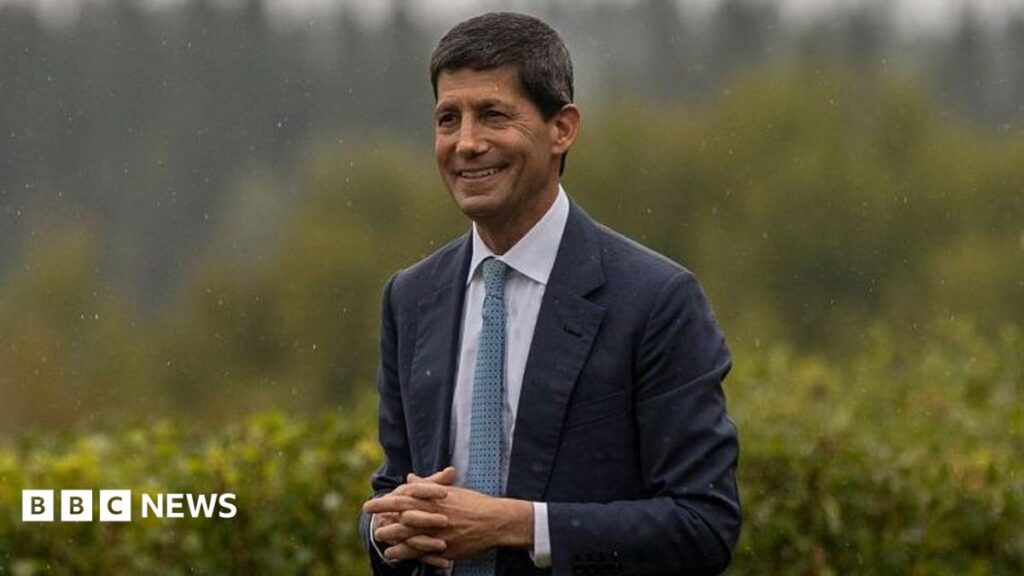
Background: Warsh, the Fed and lingering price pressures
Kevin Warsh, a former governor of the Federal Reserve who served under Presidents George W. Bush and Barack Obama, has re‑entered the policy conversation as inflation in the United States has proved more stubborn than many analysts expected.
Since the start of 2024, headline consumer price gains have hovered around 4.1 %, well above the Fed’s 2 % target. While the core CPI—excluding food and energy—has shown modest easing, many economists argue that supply‑chain bottlenecks and resilient demand keep the broader price picture elevated.
Warsh’s comments come at a time when the Federal Open Market Committee (FOMC) is split between members who favour a more cautious stance and those who argue that the current 5.25 %–5.50 % policy rate is still too low to anchor inflation expectations.
What Warsh said and the immediate market reaction
Speaking at a private banking conference in New York, Warsh warned that “the Fed still has work to do if price rises don’t ease for Americans,” and suggested that “further rate hikes remain on the table if inflation does not trend lower.”
His remarks were reported by Bloomberg and quickly filtered through market‑watching platforms. U.S. Treasury yields rose by roughly 5 basis points on the day, while the dollar index strengthened against a basket of major currencies, reflecting renewed expectations of tighter monetary policy.
Investors also noted a modest sell‑off in riskier assets such as high‑yield corporate bonds, a segment that often feels the first impact of higher borrowing costs.
Why the warning matters for U.S. policy and the broader economy
Warsh’s warning underscores a growing concern among some former Fed officials that the central bank may be under‑estimating the stickiness of inflation, especially in services like housing and health care where price dynamics are less responsive to short‑term policy moves.
If the Fed does decide to raise rates again, it would be the first increase since July 2023, marking a shift back toward a tightening cycle that could slow consumer spending, dampen business investment, and increase mortgage rates beyond the current 6‑7 % range.
A higher policy rate would also raise the cost of servicing U.S. Treasury debt, potentially widening the fiscal deficit and prompting Congress to revisit budget priorities—a development that could reverberate through global sovereign‑debt markets.
The African angle: how U.S. rate moves ripple across the continent
African economies are highly sensitive to U.S. monetary policy because the dollar is the primary invoicing currency for commodities, external debt, and many diaspora remittances. A stronger dollar, which typically follows a rate hike, can depress the terms‑of‑trade for oil‑exporting nations such as Nigeria and Angola, while benefitting import‑dependent economies that see cheaper dollar‑priced goods.
Higher U.S. rates also tend to trigger capital outflows from emerging markets as investors chase the higher yields offered by Treasury securities. Countries like Kenya, Ghana and South Africa have already felt pressure on their foreign‑exchange reserves, prompting some central banks to raise their own policy rates to protect currency stability.
For the African diaspora, especially in the United States, tighter monetary policy can affect the value of remittances. A stronger dollar means that the same amount sent home converts into fewer local currency units, potentially tightening household budgets in countries where remittances account for over 10 % of GDP.
What could happen next: scenarios for the Fed and Africa
If the Fed opts for another 25‑basis‑point hike at its September 2026 meeting, markets would likely price in a modest slowdown in U.S. growth but a more credible path toward 2 % inflation. Such a move would reinforce the dollar’s rally, pressuring African currencies and prompting further rate adjustments by regional central banks.
Conversely, if inflation data in the coming months show a clear downward trend, the Fed may pause, allowing markets to breathe. In that scenario, African economies could enjoy a more stable exchange‑rate environment, easing debt‑service pressures for nations that have borrowed heavily in dollars.
Policymakers across Africa are already preparing contingency plans. The African Development Bank’s latest report advises member states to diversify export baskets and to build foreign‑exchange buffers, while several sovereign wealth funds are increasing exposure to non‑dollar assets to hedge against potential volatility.
Quick Answers
What did Kevin Warsh say about future Fed rate hikes?
Warsh warned that the Fed may need to raise rates again if inflation does not ease, signaling that higher borrowing costs remain a possibility.
How could a U.S. rate increase affect African economies?
Higher U.S. rates typically strengthen the dollar, which can raise debt‑service costs, trigger capital outflows, and reduce the value of remittances sent to African households.
What are African central banks likely to do if the Fed hikes rates?
They may raise their own policy rates to defend local currencies and curb inflationary pressures stemming from a stronger dollar.
Source: www.bbc.co.uk




💬 Comments 0