Kim Jong Un’s 2026 Letter Hails ‘Strong’ North Korea‑Russia Ties, Putin Yet to Reply
Historical backdrop of the Pyongyang‑Moscow partnership
Since the Cold War, North Korea has leaned on Moscow as a diplomatic lifeline when relations with the United States and South Korea soured. The two countries signed a mutual defence pact in 1961, and the bond resurfaced after 2014 when both faced renewed Western sanctions over nuclear and annexation policies. Their cooperation has traditionally been low‑key, focused on political solidarity and limited technology transfers, rather than large‑scale military integration.
The invasion of Ukraine in February 2022 accelerated the partnership. Sanctioned Russia turned to Pyongyang for hard‑to‑track weaponry and for a political ally willing to echo Moscow’s narrative at the United Nations. In return, North Korea gained a conduit to evade some export restrictions, receiving spare parts for its missile program and access to Russian financial networks. Analysts at the International Crisis Group note that the alliance has moved from symbolic to increasingly operational over the past four years.
What Kim’s 2026 letter actually says
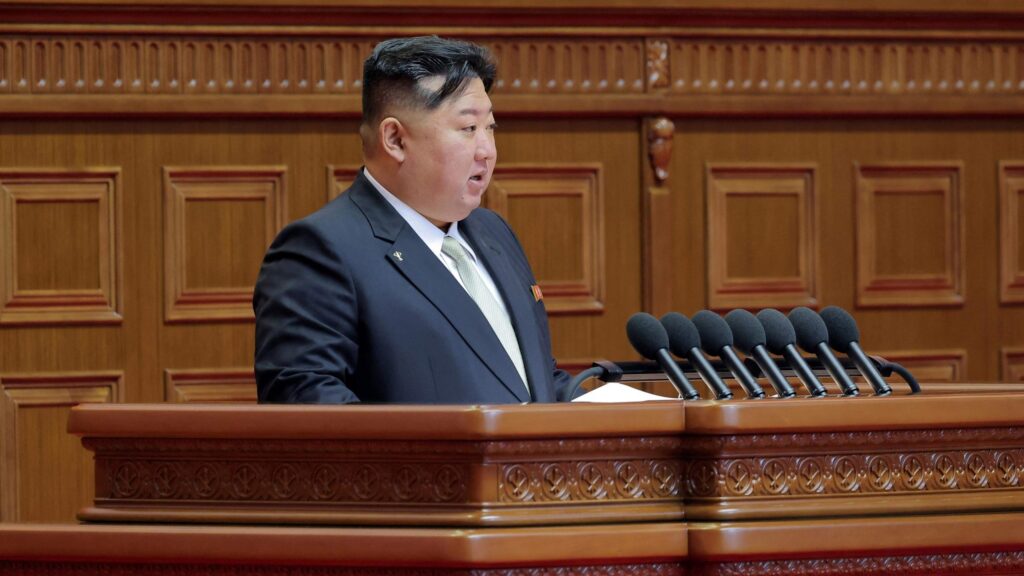
In a handwritten message delivered to President Vladimir Putin on 12 August 2026, Kim Jong Un praised the “strong and proud” ties between the two states, declaring them a “firm shield against imperialist hostility.” The Korean Central News Agency (KCNA) released a translation that highlighted Kim’s call for deeper cooperation in defence, technology and “mutual support in the international arena.” The tone was more assertive than previous messages, hinting at a possible formal agreement rather than a casual endorsement.
The letter also referenced the “shared struggle against sanctions” and urged Putin to continue backing North Korea’s “right to self‑defence.” While KCNA omitted any concrete proposals, diplomatic insiders say the phrasing mirrors language used in Russia’s 2023 decree that allowed the export of advanced rocket‑propulsion components to Pyongyang. Sources close to the Kremlin reportedly view the letter as an invitation to expand joint exercises in the Sea of Japan and to coordinate cyber‑operations targeting Western infrastructure.
Why the renewed rhetoric matters on the world stage
Kim’s public endorsement of the partnership sends a clear signal to Washington and its allies that North Korea remains a viable proxy for Russian strategic aims. By framing the alliance as a “shield,” Pyongyang positions itself as a counter‑balance to the expanding U.S. missile‑defence umbrella in East Asia, potentially encouraging Seoul and Tokyo to accelerate their own defence procurement – a trend already visible in Japan’s 2025 decision to acquire F‑35s from the United States.
The letter also complicates the enforcement of United Nations sanctions. If Russia deepens material support for North Korea’s missile programme, the already‑strained UN monitoring mechanisms could be overwhelmed. The United Nations Panel of Experts on North Korea warned in a 2025 report that “Russian‑facilitated logistics chains are eroding the efficacy of sanctions,” a concern that may prompt the Security Council to consider a new resolution, though Russian veto power remains a major obstacle.
Implications for Africa and the Nigerian diaspora
African nations have historically navigated a delicate balance between the West and countries like Russia and China, especially when seeking military hardware or investment. An intensified North Korea‑Russia axis could open a new, albeit risky, source of arms for conflict‑prone regions. Recent reports from the African Centre for the Study of Armed Conflict suggest that Russian‑backed arms dealers have already funneled weapons through North Korean intermediaries to parts of the Sahel, raising alarms about proliferation in Nigeria’s own northeast insurgency.
For the Nigerian diaspora in Europe and North America, the development matters because it may reshape migration narratives. A stronger Russia‑North Korea bloc could embolden authoritarian regimes that host sizeable Nigerian expatriate communities, potentially tightening visa regimes and limiting consular support. Moreover, any escalation in sanctions on Russia could affect global oil prices; Nigeria, as Africa’s largest oil exporter, stands to feel the ripple through reduced revenue and foreign‑exchange volatility, a concern echoed by the Central Bank of Nigeria in its 2026 monetary policy review.
What could happen next – scenarios and likely responses
The most immediate next step is likely a high‑level meeting between Kim and Putin in the coming months, possibly in Moscow or a neutral venue like Pyongyang’s historic Kumsusan Palace. If the talks culminate in a formal agreement, we may see joint naval drills in the East China Sea, a move that would trigger a coordinated response from the United States, Japan and South Korea, as they have already pledged to increase surveillance of any such activity.
On the diplomatic front, African Union members are expected to debate the issue at the upcoming Addis Ababa summit in November 2026. Several countries, including South Africa and Egypt, have signaled a willingness to condemn the partnership if it leads to the transfer of prohibited weapons. Conversely, nations with closer ties to Russia, such as Angola and Sudan, may advocate for a more neutral stance, underscoring the continent’s split loyalties in great‑power competition.
Quick Answers
What did Kim Jong Un say in his 2026 letter to Vladimir Putin?
He described North Korea‑Russia relations as "strong and proud" and called them a "firm shield against imperialist hostility," urging deeper defence and technological cooperation.
How could a stronger North Korea‑Russia alliance affect African countries?
It could increase the flow of illicit weapons to conflict zones in Africa and influence oil markets, which would impact revenue for major exporters like Nigeria.
What are the next possible steps after Kim’s letter?
Analysts expect a high‑level meeting between Kim and Putin, potentially leading to joint military exercises and a renewed push for coordinated diplomatic moves at the UN and African Union.
Source: dailypost.ng




💬 Comments 0