Kyiv weapons depot strike kills 37, forces evacuation of 300 – August 2026 attack raises security concerns
The attack and its immediate human toll
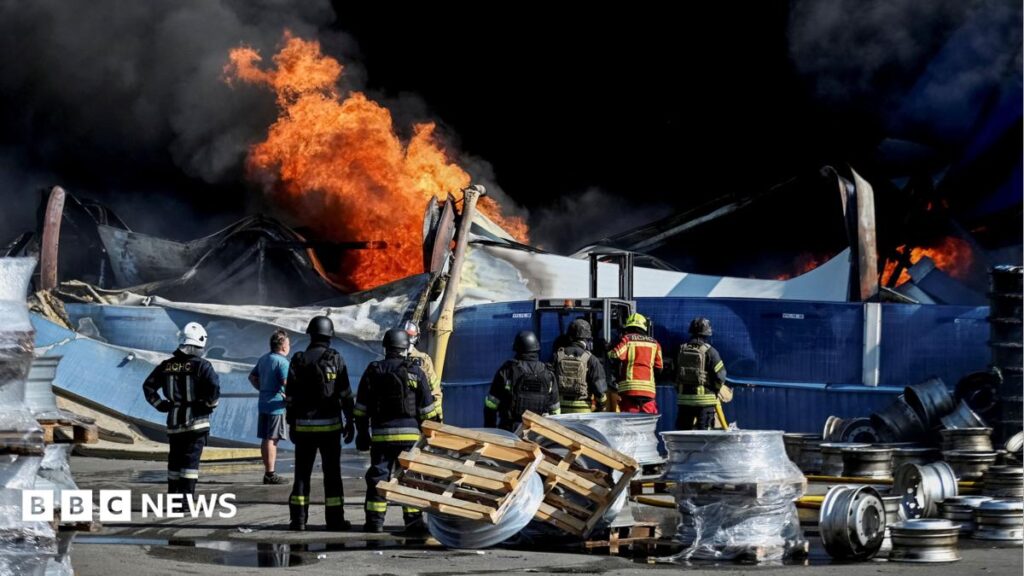
On the night of August 27, 2026, a Russian missile barrage hit a large ammunition storage complex on the outskirts of Kyiv. Ukrainian officials confirmed that at least 37 civilians lost their lives, with dozens more injured. The strike prompted the rapid evacuation of roughly 300 residents from nearby apartment blocks, many of whom were forced to seek shelter in schools and community centres while emergency crews worked through the rubble.
Local authorities described the scene as chaotic: smoke rose from exploding munitions, and the smell of burning propellant lingered for hours. Rescue teams, already stretched thin by months of conflict, struggled to reach the most heavily damaged sections of the depot. The Ukrainian interior ministry later announced that the evacuation would continue for several days while a safety perimeter was established.
Why the depot’s location sparked controversy
The weapons depot sits within a mixed‑use zone that includes residential buildings, a primary school and a small market. Critics argue that its placement violates international humanitarian law, which calls for the separation of military storage from civilian areas to minimise collateral damage. Human Rights Watch, citing satellite imagery, has previously warned that the proximity of such facilities to densely populated neighborhoods increases the risk of civilian casualties in the event of an attack.
Ukrainian officials have defended the site, saying it was established before the war escalated in 2022 and that relocating the stockpile would have required months of logistical planning. However, the recent strike has reignited calls from opposition politicians and civil‑society groups for a comprehensive audit of all military storage sites inside major cities.
Impact on Ukraine’s defence posture and Western aid
The loss of a major ammunition hub could temporarily blunt Kyiv’s ability to supply frontline units, especially in the northern sector where the depot fed artillery batteries defending against Russian advances. Defense analysts at the Royal United Services Institute note that while Ukraine has diversified its supply chains, the sudden depletion of several thousand shells may force commanders to ration firepower in the short term.
At the same time, Western partners are watching the incident closely. The United States and European Union have pledged to increase logistical support, but they also stress the need for stricter safety protocols. A senior State Department official, speaking on condition of anonymity, said that future aid packages may include funding earmarked for the relocation of high‑risk depots and the construction of hardened, remote storage facilities.
Repercussions for African peacekeeping and arms markets
African nations that contribute troops to United Nations peacekeeping missions have long relied on Ukrainian‑manufactured small arms and ammunition. The disruption of Ukraine’s production lines could delay deliveries to African contingents, potentially affecting the readiness of missions in the Sahel and the Horn of Africa. The African Union’s Peace and Security Council has already requested an update from its logistics department on any supply gaps.
Beyond peacekeeping, the incident may reverberate through the global arms market, where several African countries source artillery rounds and rockets from Ukrainian firms. Analysts at the International Institute for Strategic Studies warn that a prolonged shortage could push some states to turn to alternative suppliers, including Russian‑origin stockpiles that are often cheaper but come with political strings attached.
What comes next: investigations and policy reforms
Ukrainian prosecutors have opened a criminal investigation into possible negligence surrounding the depot’s placement. According to the Kyiv Prosecutor’s Office, the probe will examine whether officials ignored safety recommendations from the Ministry of Defence and from international observers. The outcome could lead to disciplinary actions against senior commanders or even legislative changes governing military infrastructure.
In parallel, the Ministry of Defence announced a task force to map all urban ammunition sites and prioritize their relocation. The task force is expected to present a timeline within 60 days, aiming to move the most hazardous stores to the outskirts of Kyiv and to other regions with lower civilian density. If successful, the reforms could set a precedent for other post‑conflict states grappling with the legacy of wartime storage decisions.
Diaspora response and the wider international reaction
Ukrainian diaspora groups in Canada, the United States and the United Kingdom quickly organised vigils and fundraising drives for the victims’ families. Social media hashtags such as #KyivDepotTragedy trended globally, drawing attention to the human cost of placing military assets near homes. Some diaspora leaders have called on host governments to lobby Kyiv for stricter civilian protection measures.
Internationally, the United Nations Office for the Coordination of Humanitarian Affairs issued a statement urging all parties to respect the principle of distinction. Meanwhile, Russia’s foreign ministry dismissed the incident as a “consequence of Ukraine’s own reckless storage policies,” a line that analysts say is aimed at deflecting blame while sowing doubt about Kyiv’s compliance with humanitarian norms.
Quick Answers
How many people were killed in the Kyiv weapons depot strike?
At least 37 civilians died in the attack, according to Ukrainian officials.
Why is the depot’s location controversial?
It sits next to residential buildings and a school, violating norms that require military storage to be kept away from civilian areas.
Will the strike affect African peacekeeping missions?
Potentially, as delays in Ukrainian ammunition shipments could impact the equipment supply for African troops serving in UN missions.
Source: www.bbc.co.uk




💬 Comments 0