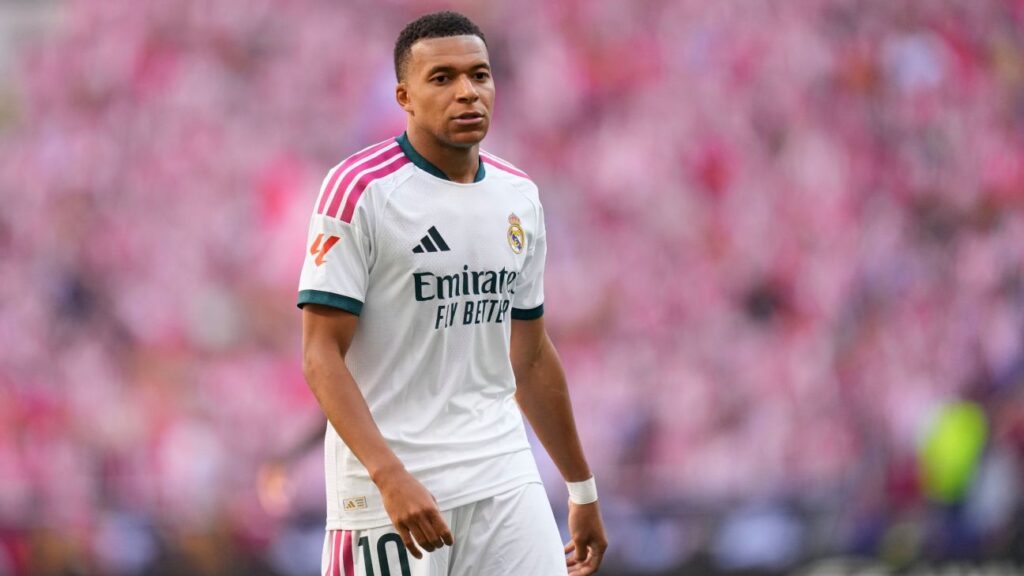
Kylian Mbappé loses Chinese brand deals in 2026 after Mao Zedong meme controversy
Background: Mbappé’s rising profile in China
Since his breakout performance at the 2022 World Cup, French striker Kylian Mbappé has become a global marketing darling, and Chinese advertisers have been quick to cash in on his youthful energy and on‑field brilliance. Brands ranging from sportswear giants to luxury car makers have placed his face on billboards in Shanghai, Guangzhou and smaller tier‑2 cities, hoping to tap into the massive football‑loving audience that the Chinese market represents.
China’s football fan base, estimated at over 400 million people, is increasingly influential for European clubs and players seeking commercial revenue beyond Europe and the United States. Mbappé’s 2023 partnership with a leading Chinese smartphone company was reported to have generated a 12 % lift in sales during the World Cup period, according to the firm’s quarterly report. This success encouraged other firms to line up deals with the French star, making him one of the most visible foreign athletes in the country.
For African fans, Mbappé’s popularity has a special resonance. Many see him as a symbol of the diaspora’s success on the world stage, and his presence in Chinese media has helped amplify the visibility of African‑born talent in markets that traditionally focus on European stars. This cross‑continental appeal has also opened doors for African players to consider endorsement opportunities in Asia.
The meme and the backlash
In early October 2026, a screenshot of Mbappé’s Instagram story was shared on Chinese social media, showing him holding a coffee cup while a caption read, “Even a dictator would need a coffee break.” The post quickly went viral, with many interpreting the comment as a reference to Mao Zedong, China’s founding father and a figure still officially revered by the state. The meme sparked outrage on platforms such as Weibo, where users demanded accountability.
Within 48 hours, several Chinese brands announced they were suspending or terminating their contracts with Mbappé. A major sportswear label issued a statement saying it “cannot be associated with content that disrespects national symbols,” while a luxury car manufacturer cited “brand safety concerns” as the reason for the split. Both statements were posted on their official corporate websites and shared widely by local media outlets.
Mbappé’s team released a brief apology, emphasizing that the comment was meant humorously and was not intended to insult any nation or its history. The apology was translated into Mandarin and posted on the player’s official accounts, but the damage to his Chinese commercial pipeline was already evident, with analysts noting a potential loss of up to $30 million in projected earnings for the remainder of the year.
Why the fallout matters for African football markets
African football federations and clubs have been watching Mbappé’s Chinese ventures closely, as they represent a blueprint for monetising talent beyond the continent. The abrupt termination of his deals signals a risk that African players, who often rely on overseas sponsorships to supplement modest club wages, may face similar brand volatility if they engage in politically sensitive content.
In Nigeria, for example, the Premier League’s top scorer last season, Victor Eze, recently signed a sponsorship deal with a Chinese e‑commerce platform. His agent warned that the Mbappé episode underscores the need for “cultural vetting” of any public statements, especially on social media where memes can spread faster than official press releases. This caution could lead to more restrictive contract clauses that limit athletes’ freedom of expression.
Moreover, the incident could influence how African‑focused brands approach the Chinese market. Companies like MTN and Safaricom have long considered China a key source of technology and investment. Seeing a high‑profile African‑linked star lose Chinese endorsement may push these firms to diversify their marketing strategies, focusing more on domestic African audiences rather than relying on a single overseas market.
Brand politics: a global trend of athlete endorsement risk
Mbappé’s situation is not isolated. Over the past decade, athletes from Europe, the Americas and Asia have seen sponsorships evaporate after controversial remarks—think of the Nike fallout with Colin Kaepernick in the United States or the Adidas pull‑back from a Brazilian footballer after a political tweet. Brands now conduct extensive “political risk assessments” before signing talent, evaluating not only the athlete’s performance but also their digital footprint and potential cultural sensitivities.
Chinese companies, in particular, operate under strict government guidelines that demand alignment with national narratives. A 2024 regulation from the State Administration for Market Regulation requires advertisers to avoid “content that undermines social harmony,” a clause that has been invoked in several high‑profile brand withdrawals. This regulatory environment makes it harder for foreign athletes to navigate without a dedicated cultural liaison team.
For African marketers, the lesson is clear: global sponsorships are increasingly contingent on geopolitical awareness. Agencies representing African athletes are now hiring China‑market experts to audit content, and some are even negotiating “force‑majeure” clauses that allow either party to exit contracts if political sensitivities arise. This shift adds a layer of complexity but also creates new professional opportunities within the sports‑marketing ecosystem.
What’s next for Mbappé and African sponsors
In the short term, Mbappé is likely to focus on repairing his relationship with Chinese fans and brands. Sources close to his management say they are exploring a “cultural reconciliation” campaign that would involve charitable projects in rural China, a strategy that has worked for other athletes who faced similar backlash. Whether Chinese firms will re‑engage depends on how quickly the narrative can be reframed away from the meme.
African stakeholders, meanwhile, are re‑evaluating their own endorsement playbooks. The Confederation of African Football (CAF) announced plans to host a summit on “Sports Diplomacy and Brand Ethics” later this year, inviting representatives from Asian markets to discuss best practices. The goal is to build a knowledge base that helps African players and clubs avoid inadvertent political missteps while still accessing lucrative overseas sponsorships.
Long‑term, the incident may accelerate a broader trend of African‑centric branding that sidesteps reliance on a single foreign market. Streaming platforms, African fashion houses, and fintech startups are already courting football stars for home‑grown campaigns, positioning themselves as alternatives to traditional Chinese or European sponsors. If these initiatives gain traction, the fallout from Mbappé’s meme could inadvertently spark a more diversified and resilient sponsorship landscape for African football.
Quick Answers
What did Mbappé say that triggered Chinese brands to drop him?
He posted an Instagram story captioned “Even a dictator would need a coffee break,” which many Chinese users interpreted as a reference to Mao Zedong.
Which Chinese companies ended their deals with Mbappé in 2026?
A major sportswear label and a luxury car manufacturer publicly announced they were suspending or terminating their contracts with him.
How could Mbappé’s Chinese brand fallout affect African football sponsorships?
It highlights the political risk of overseas endorsements, prompting African players and agencies to add cultural vetting and diversify their sponsorship sources.
Source: www.espn.com



💬 Comments 0