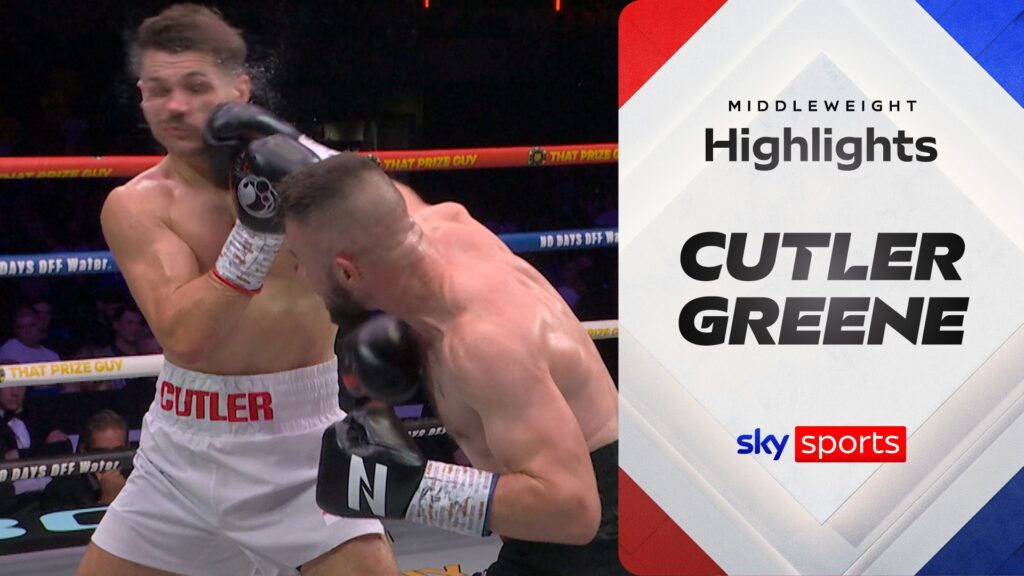
Lee Cutler clinches points win over Louis Greene at Zuffa Boxing 11 – 2026 bout analysis
Background: Zuffa Boxing 11 and the fighters' trajectories
Zuffa Boxing 11, staged in early September 2026 in Las Vegas, marked the latest installment of a series that has become a testing ground for emerging talent in the United States and Europe. The event is promoted by a subsidiary of the global combat‑sports conglomerate Zuffa, which has been expanding its footprint into markets traditionally dominated by the likes of Top Rank and Matchroom. While the card featured several seasoned veterans, the headline clash between Lee Cutler and Louis Greene was billed as a showcase of technical skill rather than knockout power.
Lee Cutler, a 28‑year‑old British pugilist, entered the ring with a record of 14‑2, having spent the last two years honing his craft on the UK circuit. Known for his disciplined footwork and crisp jab, Cutler has been touted as a potential contender for the Commonwealth welterweight title. Louis Greene, an American boxer of 26 years, held a 12‑1 record and was praised for his aggressive pressure style. Both fighters were looking to cement their status ahead of potential regional title opportunities.
The fight also attracted attention from the African boxing community because several members of Cutler’s coaching team are of Nigerian descent, and the bout was streamed on a platform popular among the diaspora. In recent years, African‑born trainers and promoters have been leveraging high‑profile events like Zuffa Boxing 11 to raise the profile of African talent on the world stage.
What happened in the ring: a clinical points victory
From the opening bell, Cutler imposed his game plan, using lateral movement to stay out of Greene’s range while peppering the American with rapid, straight‑right punches. Greene attempted to close the distance, but Cutler’s head‑movement and low‑centered stance made it difficult for the pressure fighter to land cleanly. Over the ten rounds, Cutler accumulated a steady flow of scoring blows, while Greene’s attempts at power shots were largely blocked or countered.
The judges’ scorecards reflected the tactical nature of the bout: 98‑92, 97‑93, and 96‑94 in favor of Cutler. The decision was described by commentators as a “clinical points win,” emphasizing Cutler’s efficiency rather than flashiness. Greene’s corner expressed disappointment but praised Cutler’s discipline, noting that the British boxer had forced the fight into a strategic chess match rather than a brawl.
Statistically, Cutler landed a 45% connect rate on his jabs and a 38% rate on power punches, according to the official bout analytics. Greene, by contrast, managed a 31% overall connect rate. The numbers underline why the judges favoured Cutler; his higher accuracy and ring generalship outweighed Greene’s occasional bursts of aggression.
Why it matters: implications for the boxing landscape and African stakeholders
Cutler’s victory is more than a personal milestone; it signals a shift toward technically driven fighters gaining prominence in an era that often glorifies knockout artists. Promoters are taking note, with Zuffa reportedly planning a series of “Technical Masterclass” events that will spotlight fighters who excel in precision and ring IQ. This could open doors for boxers from regions where training facilities focus on fundamentals, such as Nigeria’s growing gym network in Lagos and Abuja.
For African trainers and managers, the fight offers a case study in how diaspora connections can translate into opportunities on the global stage. One of Cutler’s assistant coaches, Adeyemi Okonkwo, a former Nigerian amateur champion, has spoken about leveraging the exposure to attract African prospects to Zuffa’s talent‑scouting programmes. If successful, this pipeline could increase the number of African‑born fighters signing with major US promoters, diversifying the sport’s talent pool.
Economically, the bout contributed to a modest surge in betting volume from African markets. According to a report from Betway Africa, wagers on the Cutler‑Greene fight rose 12% compared with the previous Zuffa event, reflecting heightened interest from Nigerian and Ghanaian bettors who follow UK‑based fighters. This trend suggests that African audiences are becoming a more influential segment for combat‑sports revenue streams.
Reactions: fans, pundits, and the diaspora perspective
Social media buzz after the fight highlighted the diaspora’s pride in seeing a fighter with Nigerian coaching staff succeed on a US platform. Hashtags such as #NaijaBoxing and #CutlerVictory trended on Twitter among users in Lagos, London, and New York. Fans praised Cutler’s composure, while also calling for more representation of African trainers in high‑profile bouts.
Boxing analysts in the UK and US underscored the strategic value of the win. The Ring’s senior editor, Maya Patel, noted that Cutler’s performance could fast‑track him toward a Commonwealth title eliminator, provided he maintains his current trajectory. Meanwhile, American pundit James “The Hammer” Dalton argued that Greene needs to recalibrate his approach, suggesting a switch to a more defensive style to avoid being out‑pointed in future match‑ups.
From a business standpoint, Zuffa’s CEO, Carlos Mendes, released a statement saying the event’s success would encourage the promotion to schedule more fights featuring “cross‑cultural coaching teams,” a nod to the growing importance of diaspora talent. The comment aligns with the broader industry push to tap into under‑served markets, especially as streaming platforms compete for global viewership.
What’s next: upcoming fights, opportunities for African talent, and the broader trend
Looking ahead, Cutler is slated to face former British title challenger Marco Alvarez in early 2027, a bout that could position him for a mandatory shot at the Commonwealth welterweight belt. If he secures another win, the fight could be broadcast on a streaming service popular in Africa, further solidifying the connection between his success and African viewership.
For African boxers, the ripple effect of Cutler’s victory may be felt in the upcoming African Boxing Federation (ABF) championships slated for late 2026 in Nairobi. Organisers have hinted at partnerships with Zuffa to scout talent, a development that could see the federation’s champions earning contracts with US promoters. This aligns with the recent trend of African athletes leveraging diaspora networks to break into elite competitions.
Finally, the broader pattern emerging from Zuffa Boxing 11 is the increasing commercial relevance of technical boxing styles and the strategic use of diaspora coaching staff. As streaming platforms and betting operators chase new audiences, fights that blend skillful execution with multicultural appeal are likely to dominate future cards. The Cutler‑Greene bout may therefore be remembered not just for its scoreline, but for the doors it opened for African‑linked talent in the global boxing economy.
Quick Answers
Who won the Zuffa Boxing 11 bout between Lee Cutler and Louis Greene?
Lee Cutler won the fight by a unanimous points decision, with judges scoring the bout 98‑92, 97‑93, and 96‑94.
How could Lee Cutler's win affect African boxing prospects?
The victory highlights the impact of diaspora coaches like Adeyemi Okonkwo and may lead to more African fighters being scouted by major promoters through Zuffa’s talent programmes.
What are Lee Cutler's next steps after the points win?
Cutler is scheduled to fight Marco Alvarez in early 2027, a match that could earn him a shot at the Commonwealth welterweight title.
Source: www.skysports.com




💬 Comments 0