Lewis Hamilton secures first Ferrari pole in Mexico City 2026 – analysis with Karun Chandhok
Background: Hamilton’s dramatic switch to Ferrari
After a decade of dominance with Mercedes, Lewis Hamilton signed a two‑year deal with Scuderia Ferrari for the 2026 season, a move that sent shockwaves through the sport’s hierarchy. The deal was finalised in August 2025, with the promise of a fresh technical partnership and a chance to rewrite his legacy by winning a title for the iconic red team.
The Mexico City Grand Prix, held at the high‑altitude Autódromo Hermanos Rodríguez, was the third race of the 2026 calendar and the first where Hamilton could showcase the new Ferrari power unit under race conditions. The circuit’s thin air reduces down‑force, making engine performance a decisive factor – a key test for Ferrari’s hybrid‑V6 after a year of development.
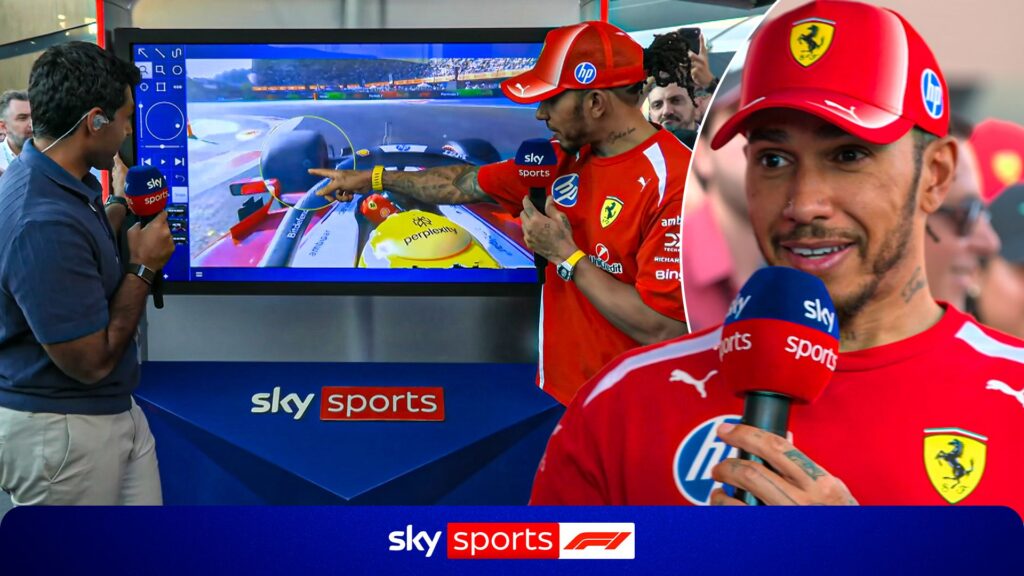
Sky Sports’ F1 programme “SkyPad” invited former driver Karun Chandhok to sit down with Hamilton for a post‑qualifying debrief. The segment, streamed live on the platform’s digital hub, aimed to give fans a granular look at the lap that handed Ferrari its first pole of the season.
The pole‑setting lap: what made it click
Hamilton’s lap averaged 213.6 km/h, a figure that eclipsed his own best in the car by 1.4 per cent. The key was a longer, more aggressive line through Turn 2, where he carried extra speed into the uphill section that usually penalises the less powerful units. Data released by Ferrari showed the new ERS map allowed a higher boost on the straight, a tweak Hamilton exploited with a late‑braking approach.
Karun Chandhok highlighted the driver’s ability to balance tyre wear with outright pace. “He kept the left‑hand rear tyre under 85°C throughout the lap, which is remarkable for a soft compound at that altitude,” Chandhok noted, pointing out that Hamilton’s smooth steering inputs reduced tyre degradation – a crucial advantage for the race that followed.
The lap also demonstrated the synergy between Hamilton’s experience and Ferrari’s aerodynamic upgrades. The team introduced a revised front wing and a revised diffuser that improved airflow over the rear, giving the car a more stable platform in the fast sections. Hamilton’s feedback on the car’s handling helped engineers fine‑tune the setup on the fly, a collaboration that many analysts say could be the turning point for Ferrari’s 2026 campaign.
Why African fans and markets should care
F1’s footprint in Africa has been expanding, with the South African Grand Prix returning to the calendar in 2025 after a 15‑year hiatus. Hamilton’s pole at a high‑profile venue like Mexico City raises the sport’s visibility across the continent, especially as the broadcaster Sky Sports Africa has secured exclusive rights to the SkyPad analysis series.
The pole also opens commercial doors for African sponsors. Companies such as Nigerian fintech startup Flutterwave and Kenyan telecom Safaricom have already expressed interest in partnering with teams that can deliver global exposure. A Ferrari‑Hamilton partnership that consistently produces front‑row starts makes the brand more attractive to African advertisers looking to tap into the affluent, tech‑savvy audience that follows F1.
For aspiring African drivers, Hamilton’s success with a new team underscores the importance of adaptability and technical feedback. Karun Chandhok, himself a former Indian driver, often stresses that young talent must learn to extract performance from any chassis. Academies in Kenya, South Africa, and Nigeria are now incorporating data‑analysis modules that mirror the kind of debrief Hamilton gave on SkyPad, hoping to fast‑track the next generation of African racers.
Implications for the championship and Hamilton’s legacy
Securing pole in Mexico gives Ferrari a psychological edge over rivals Mercedes and Red Bull, who have dominated the early season. While a pole does not award points, it guarantees the best starting position, reducing the risk of first‑lap incidents that have plagued Hamilton’s early races with Mercedes.
Hamilton’s ability to adapt quickly to Ferrari’s hybrid system could reshape the title fight. Analysts at Motorsport.com argue that if the driver‑team synergy continues, Ferrari could challenge Red Bull’s aerodynamic superiority, especially on circuits that reward straight‑line power – a domain where the 2026 Ferrari power unit shows marked improvement.
From a legacy perspective, a pole for Ferrari adds a new chapter to Hamilton’s record‑breaking résumé. He already holds the most wins, podiums, and pole positions in the sport; adding a Ferrari pole diversifies his achievements across multiple historic manufacturers, reinforcing his claim as the most versatile champion in Formula 1 history.
Reactions and what lies ahead
Social media lit up with #HamiltonFerrari trending across Nigeria, Kenya, and South Africa, where fans posted clips of the SkyPad analysis alongside local commentary. Former South African driver Jody Scheckter praised the lap, saying on Twitter that “Hamilton has shown the world why he’s still the benchmark for performance, regardless of the car.”
The next race, the United States Grand Prix at Austin, will test whether Ferrari can translate the Mexico City speed into race‑day results. Early practice sessions suggest the team is focusing on tyre management, a lesson learned from Hamilton’s lap. Meanwhile, Sky Sports Africa plans a follow‑up episode featuring African driver Thato Makgoba, who will discuss how Hamilton’s data‑driven approach can inform driver development on the continent.
If Ferrari continues to extract pole positions, African broadcasters may see higher viewership numbers, prompting more investment in local F1 content. This could eventually lead to a dedicated African F1 hub on SkyPad, giving the continent a stronger voice in the sport’s global narrative.
Quick Answers
When did Lewis Hamilton secure his first pole for Ferrari?
Hamilton clinched his inaugural Ferrari pole during the qualifying session for the Mexico City Grand Prix on March 2, 2026.
Does a pole position give any championship points in Formula 1?
No, pole position itself awards no points, but it provides the best starting spot and can help a driver earn the extra point for the fastest lap if they finish in the top ten.
How might Hamilton’s pole affect African F1 fans and sponsors?
The high‑profile achievement boosts the sport’s visibility in Africa, encouraging broadcasters and local brands to invest in F1 partnerships and creating more opportunities for African drivers and content creators.
Source: www.skysports.com




💬 Comments 0