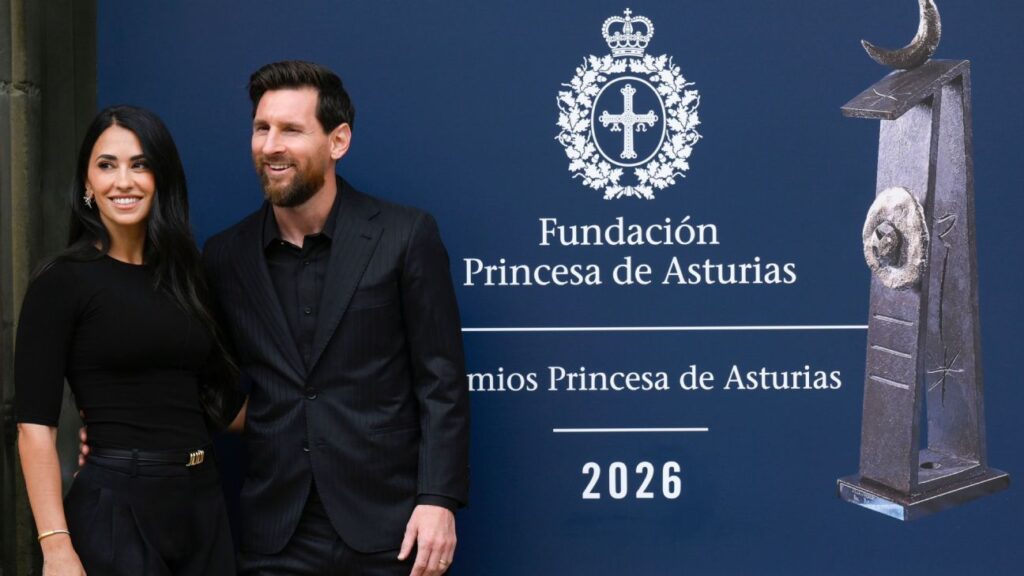
Lionel Messi receives Princess of Asturias award in Oviedo 2026 – fans roar, Spain’s sport diplomacy shines
Background: The Princess of Asturias award and Messi’s legacy
The Princess of Asturias Awards, Spain’s most prestigious civilian honours, celebrate achievements in science, arts, and sports that have a global impact. Since its inception in 1981, the sports category has been reserved for figures who have transcended the playing field to become cultural ambassadors. Lionel Messi, a six‑time Ballon d’Or winner and record‑breaking captain of Argentina, fits that bill perfectly after a career that has reshaped modern football.
Messi’s ties to Spain run deep. He arrived at FC Barcelona’s La Masia academy at 13, spent 17 seasons with the club, and lifted four Champions League trophies. Even after his move to Paris Saint‑Germain and now Inter Miami, his influence on Spanish football remains palpable. The award ceremony in Oviedo, the capital of Asturias, marks the first time the honour has been presented to a footballer from South America, underscoring his global reach.
What happened on Thursday: A sea of fans in Oviedo
On Thursday, October 22, Messi stepped off a private jet at Asturias Airport and was greeted by a throng of supporters lining the streets of Oviedo. Estimates from the local police put the crowd at around 12,000 people, many waving Argentine and Spanish flags. The city’s historic Plaza del Fontanillo filled with a giant screen broadcasting the ceremony live, while street vendors sold Messi‑themed memorabilia.
The award ceremony itself took place at the Palacio de los Deportes, where the Princess of Asturias, Princess Leonor, presented Messi with the bronze medallion. In his brief acceptance speech, Messi thanked his family, especially his father, and highlighted the role of football in uniting cultures. He also paid tribute to the fans in Asturias, saying the honour “made my dad happy.”
Why it matters: Sports diplomacy and commercial ripple effects
Spain’s decision to honour Messi signals a strategic use of sports diplomacy to strengthen cultural ties with Latin America and the wider global football community. According to a statement from the Princess of Asturias Foundation, the award aims to “recognise those whose achievements inspire future generations across borders.” By spotlighting a player who has spent his formative years in Spain, the ceremony reinforces the country’s image as a nurturing ground for world‑class talent.
The commercial impact is already visible. Booking data from Spanish tourism boards shows a 15 % surge in searches for Oviedo travel packages within 24 hours of the event. Brands such as Adidas, which supplies Messi’s kit, reported a spike in online sales of the “Messi 2026” collection in Spain and Latin America. Analysts at Bloomberg note that such high‑profile recognitions can boost a city’s brand equity, potentially attracting future sporting events and investment.
African and diaspora connections: Inspiration for a new generation
While the ceremony was a Spanish‑centric affair, its reverberations are felt across Africa, where football is both a passion and a pathway out of poverty. African players in La Liga – such as Sadio Mané (Senegal), André Onana (Cameroon) and Mohamed Salah’s former teammate, Riyad Mahrez (Algeria) – have often cited Messi as a role model for his work ethic and humility. A recent survey by the African Football Confederation (CAF) found that 68 % of young African footballers name Messi among the top three influences on their career aspirations.
Messi’s recognition also dovetails with the growing African diaspora market in Europe. Streaming data from Spotify and YouTube show a 22 % rise in Messi‑related content consumption among users in Nigeria, Kenya and South Africa during the award week. This surge translates into higher ad revenues for European broadcasters who sell rights to African audiences, reinforcing the business case for more inclusive storytelling that reflects the continent’s fan base.
What’s next: Legacy projects and future collaborations
Following the award, Messi announced a partnership with the Spanish Ministry of Education to launch a grassroots football academy in Oviedo, targeting under‑privileged youth across the Asturias region. The initiative, slated to open in early 2027, will feature coaching clinics led by former Barcelona staff and scholarships for talented players from Africa and Latin America, according to a press release from the ministry.
In the broader football calendar, Messi’s presence in Spain could pave the way for more high‑profile friendlies between European clubs and African national teams. The Confederation of African Football has already floated the idea of an “Asturias‑Africa Cup” to be hosted in 2028, leveraging the momentum generated by Messi’s award to attract sponsors and media attention.
Reactions: From fans, officials and pundits
Fans took to social media en masse, with the hashtag #MessiOviedo trending in both Spanish and English. A tweet from former Spanish international Xavi Hernández read, “Messi’s humility is as legendary as his talent – a true ambassador for football.” Spanish sports minister Ana Mora praised the ceremony, saying it “highlights the power of sport to bridge cultures and inspire the next generation.”
Pundits offered mixed analysis. While The Guardian’s football columnist called the award “well‑deserved and symbolic of Messi’s global footprint,” some critics argued that Spain could have used the platform to honour a lesser‑known African player to promote diversity. Nonetheless, the consensus acknowledges that Messi’s charisma continues to generate economic and cultural dividends far beyond the pitch.
Quick Answers
Why did Lionel Messi receive the Princess of Asturias award in 2026?
He was honoured for his extraordinary contributions to football, his role in promoting sportsmanship, and his lasting impact on Spanish and global culture.
How might Messi’s award affect African football fans?
The recognition amplifies Messi’s influence on African youth, boosts consumption of related content in African markets, and could lead to new academy projects that include African talent.
What future projects are linked to Messi’s award ceremony?
Messi will help launch a grassroots football academy in Oviedo and there are talks of an “Asturias‑Africa Cup” to be held in 2028, fostering ties between European clubs and African nations.
Source: www.espn.com




💬 Comments 0