LIV Golf bankruptcy filing 2026: $45 million owed to players and its ripple effect on African golfers
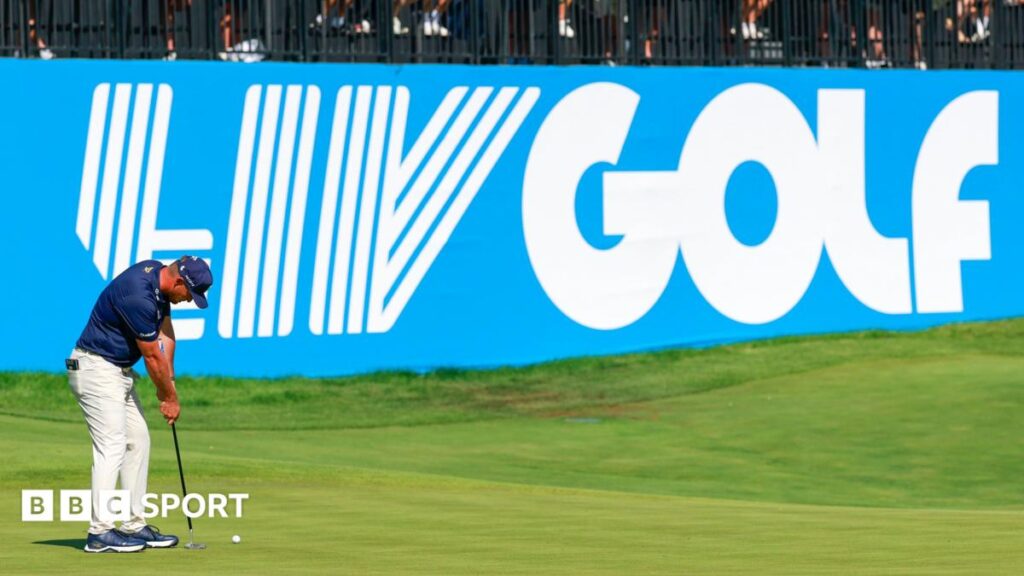
The meteoric rise and sudden stumble of LIV Golf
LIV Golf burst onto the professional scene in 2022, backed by the Public Investment Fund of Saudi Arabia, promising a $200 million prize pool and a new tournament format that challenged the centuries‑old PGA Tour structure. The league attracted a clutch of high‑profile names with lucrative contracts, positioning itself as a disruptive force in a sport that had long been dominated by a single tour hierarchy.
Within two years, LIV expanded its schedule to include events in the United States, the Middle East, and a handful of overseas venues, including a tentative stop in South Africa that never materialised. The league’s aggressive recruitment sparked legal battles with the PGA Tour, which sought to enforce its membership rules and protect its market share. Those disputes kept LIV in the headlines as much for courtroom drama as for golf.
Financial analysts warned early on that the model relied heavily on continued Saudi funding and sponsorships that were not yet diversified. By late 2025, several major sponsors had pulled back, citing brand‑safety concerns and the league’s uncertain legal standing. The combination of dwindling cash flow and mounting legal costs set the stage for the bankruptcy filing announced this week.
What the bankruptcy filing actually means
On September 5, 2026, LIV Golf entered Chapter 11 protection in a U.S. federal court, citing at least $45 million in unpaid obligations to players who had signed contracts with the league. The filing allows the organization to reorganise its debts while continuing limited operations, but it also gives players the legal right to terminate their agreements and seek earnings elsewhere.
The court documents list the $45 million figure as a minimum, meaning the total liability could be higher once bonuses, endorsement clauses, and ancillary expenses are factored in. Players can now file claims to recover a share of the owed money, though the exact payout will depend on the eventual restructuring plan approved by the judge.
According to a spokesperson for the Players’ Association, the filing “creates a window for athletes to explore other tours without penalty.” That flexibility is expected to trigger a wave of contract renegotiations, especially as the PGA Tour and the European (DP World) Tour prepare to absorb displaced talent.
Why the collapse matters for the global golf ecosystem
LIV Golf’s demise removes the most prominent challenger to the PGA Tour’s monopoly, potentially restoring a more predictable power balance in professional golf. The PGA Tour, which had been forced to adapt its media rights and prize structures to stay competitive, can now refocus on expanding its own global footprint without the threat of a rival offering comparable money.
On the other hand, the bankruptcy highlights the fragility of a sports model that depends on a single sovereign wealth fund. Sponsors and broadcasters that had bet on LIV’s longevity may become more cautious about funding alternative leagues in other sports, slowing the pace of innovation across the industry.
For fans, the fallout could mean fewer televised events featuring the flash‑driven, team‑style format that LIV introduced. While some commentators praised the league’s attempt to modernise golf’s presentation, the loss of that experimental format may leave a gap that the PGA Tour is unlikely to fill, at least in the near term.
African golfers and the diaspora: a missed opportunity turned new opening
Several African players had signed with LIV Golf, most notably South Africa’s Louis Oosthuizen and Zimbabwe’s Scott Vincent, who saw the league as a chance to secure guaranteed income and global exposure. The bankruptcy filing puts their promised earnings in jeopardy, with many players now filing claims to recover a portion of the $45 million debt.
For the broader African golf community, LIV’s collapse could be a double‑edged sword. The league had pledged to host a flagship event in Johannesburg in 2024, a plan that was later scrapped, but the initial announcement spurred investment in local courses and youth programmes. Those projects have stalled, leaving a vacuum that the DP World Tour and regional bodies may be eager to fill.
Diaspora players based in Europe or the United States now have a clearer pathway back to the traditional tours, where they can compete for world ranking points essential for Olympic qualification. According to the African Golf Development Forum, the sudden availability of elite talent could boost the competitiveness of the Sunshine Tour, which has struggled to retain its top African stars in recent years.
What’s next: possible scenarios for LIV Golf and its stakeholders
The most likely short‑term outcome is a court‑supervised reorganisation that liquidates assets—such as broadcasting contracts and venue leases—to repay creditors, including the players. Sources close to the case say the league is exploring a sale of its media rights to a consortium that could repurpose the content for a streaming platform, which would generate some cash for the settlement.
If a viable restructuring plan emerges, LIV could re‑emerge as a smaller, niche circuit focused on high‑stakes exhibition matches rather than a full‑season tour. That would still leave a gap for players who hoped for a stable, salaried alternative to the PGA and European tours, pushing many to renegotiate with the established organisations.
In the longer view, the bankruptcy may encourage the PGA Tour and DP World Tour to formalise joint‑venture events in Africa, leveraging the unfinished infrastructure that LIV had begun to develop. Such collaborations could bring more world‑ranking points to African venues, directly benefiting local players and sponsors who were left in limbo by LIV’s exit.
Quick Answers
How much money does LIV Golf owe its players after filing for bankruptcy?
LIV Golf has disclosed a minimum liability of $45 million to players, though the total amount could be higher once all contract clauses are accounted for.
Can African golfers who signed with LIV Golf still compete on the PGA Tour?
Yes, the bankruptcy filing allows players to terminate their LIV contracts, freeing them to join the PGA Tour, DP World Tour, or other sanctioned circuits.
What could happen to the planned LIV event in Johannesburg?
With the league in Chapter 11, the Johannesburg tournament is unlikely to proceed as originally planned; the venue may be offered to other tours or repurposed for local events.
Source: www.bbc.co.uk




💬 Comments 0